Indian Travellers Are Choosing Luxury Over Budget Trips This Summer: The Definitive 2026 Report
 Namrata Parab
- 7th May 2026
- 2783
- 0
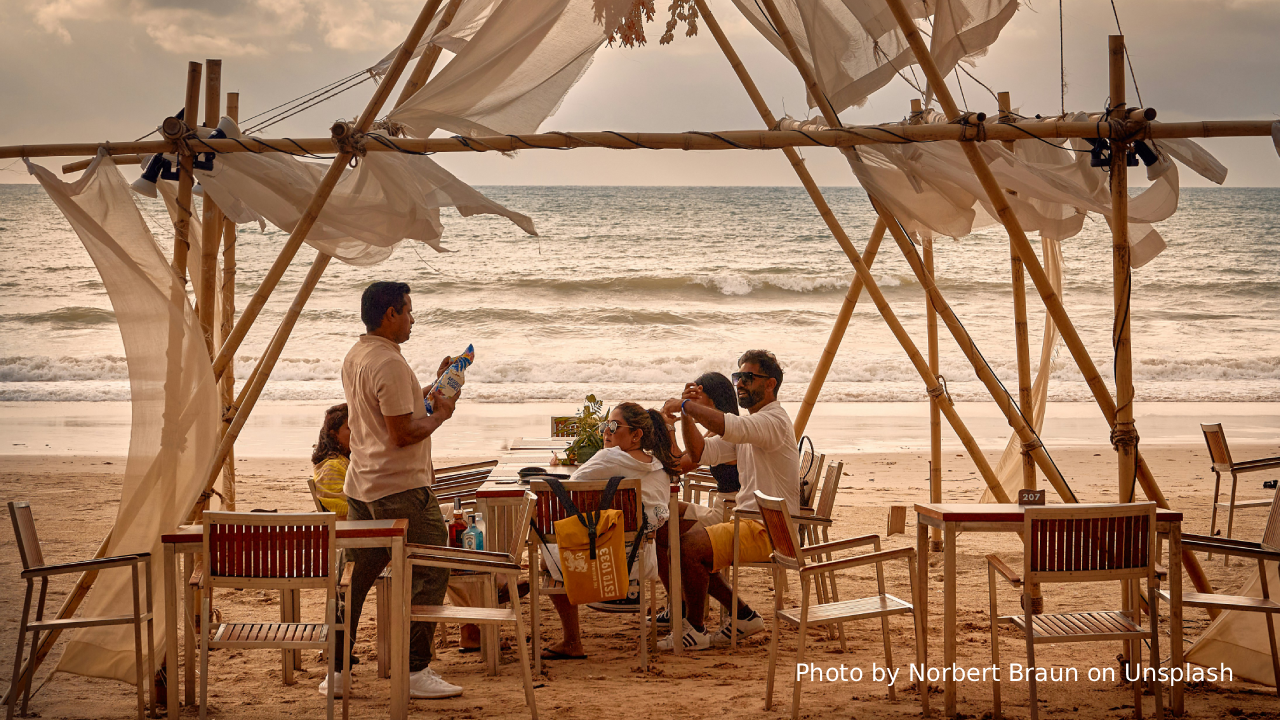
A LuxuryAbode in-depth analysis of how India's affluent are reshaping the global travel economy
The Quiet Revolution in Indian Travel
Something significant has shifted in how India holidays. The summer of 2026 has confirmed what travel industry insiders have been whispering about for nearly two years: the Indian traveller is no longer optimising for the lowest fare. They are optimising for the most memorable experience — and they are willing to pay for it. Our deep-dive into changing trends and preferences of Indian tourists first flagged this directional shift, and the 2026 data has now confirmed it conclusively.
The numbers tell a story that would have been unthinkable a decade ago. Bookings for five-star hotels surged 108.2 percent this summer compared to baseline periods, far outstripping growth in the budget category. Family hotel bookings rose by 124.9 percent. The Indian luxury travel market crossed USD 79.65 billion in 2025 and is on a trajectory to nearly USD 180 billion by 2033, growing at a compound annual rate of 10.8 percent — among the fastest in the world.
This is not a blip. It is a structural rewiring of how affluent India spends, lives and travels. And for luxury brands, hospitality groups, destination marketers and concierge operators, it is the single most important consumer trend of the decade.
The Headline: 108% Surge in Five-Star Bookings
Cleartrip's 2026 Nation on Vacation travel data — released in early May — captured the inflection point with unusual clarity. India's affluent are no longer treating the summer holiday as a seasonal break. They are treating it as a curated lifestyle event, planned six months in advance, booked with intent, and stretched over longer durations than ever before.
Summer 2026 Booking Trends at a Glance
| Travel Segment | YoY Growth (Summer 2026) | What It Signals |
|---|---|---|
| 5-Star Hotel Bookings | +108.2% | Affluent travellers no longer down-trade for cost |
| Family Hotel Bookings | +124.9% | Multi-gen travel and shared luxury is the new normal |
| Overall Hotel Bookings | +80%+ | Accommodation is the single fastest-growing segment |
| Premium Hotel Segment | +85%+ | The "near-luxury" tier is rising in tandem |
| Flight Bookings | +20%+ | Broad-based mobility, not isolated spike |
| Bus Travel | +35%+ | Even ground travel is premiumising |
Source: Cleartrip Nation on Vacation data, May 2026
The data is corroborated by hotel industry signals from the same period. As the IPL 2026 season — running March 28 to May 31 across ten cities — collided with summer school holidays, premium hotels in Mumbai, Bengaluru, Delhi, Kolkata and Hyderabad ran at near-capacity. What was once a seasonal curiosity is now a year-round behaviour. For a window into what India's luxury hotels look like at their finest, our coverage of India's luxury hotels redefining royal indulgence captures the standard these properties now routinely set.
What Is Driving the Shift? Five Forces Reshaping Indian Luxury Travel
1. The UHNWI Boom
India is now home to the sixth-largest ultra-high-net-worth individual population in the world, with 19,877 UHNWIs (those with USD 30 million or more in net worth) as of early 2026 — up 63 percent in just five years. The country's billionaire count has climbed to 207, placing India third globally behind only the United States and China. By 2031, Knight Frank projects the UHNWI cohort to expand to 25,217, with billionaires reaching 313. For the investment behaviour that underpins this wealth, our analysis of ten strategic reasons India's ultra-wealthy are building ultra-luxury real estate empires makes essential reading.
Every one of these households is a luxury travel customer. Most take three to five international holidays a year. Many maintain second homes abroad. Their children attend boarding schools in the UK, Switzerland and the United States — meaning the Indian luxury family is, by default, globally mobile.
2. The Death of the Package Tour
The conventional 7-day, 14-city European bus tour is collapsing. In its place is something travel professionals describe as the "slow luxury" model: longer stays in fewer destinations, often with private transfers, dedicated guides, helicopter transfers between properties, and curated dining at venues that require six-month reservations.
"Ideal planning for long-haul travel now happens about six months ahead," says one Ahmedabad-based luxury travel director. Families are travelling in groups of four to eight people. Several couples often holiday together as a unit, returning year after year as a "travel family." Senior citizens — the 60-plus demographic — have entered the luxury travel market in significant numbers, with annual budgets carved out exclusively for global travel. For those inspired to travel in true style, Four Seasons Private Jet Journeys offer an unmatched way to see the world.
3. The Rise of the Tier-2 and Tier-3 Affluent
The wealthiest Indians no longer live exclusively in Mumbai, Delhi and Bengaluru. Tier-2 cities — Raipur, Indore, Surat, Coimbatore, Lucknow, Chandigarh — are producing a new generation of high-spending travellers who are skipping the budget-tour rite of passage altogether and booking five-star international holidays on their first overseas trip. Bengaluru's prime residential market grew 9.4 percent year-on-year in 2025; Mumbai's grew 8.7 percent; Delhi's grew 6.9 percent. The wealth effect is real, and it spends on travel.
4. Children Are Now Choosing Destinations
Perhaps the most underreported shift: the modern Indian family vacation is increasingly child-led. A 10-year-old wants to see a rainforest? The family books Borneo. A teenager is obsessed with Korean pop culture? Seoul moves to the top of the list. A toddler wants to see snow? The family flies to Marrakech or Switzerland instead of Kashmir. According to Skyscanner's 2026 India outlook, 41 percent of Indian travellers plan multi-generational trips, and 35 percent want accommodation that is itself part of the experience — not just a base for sightseeing. For families looking for a destination that truly delivers on multi-generational magic, our guide to Four Seasons' tailored multi-generational family travel experiences is an ideal starting point.
5. Status, Storytelling and the Instagram Economy
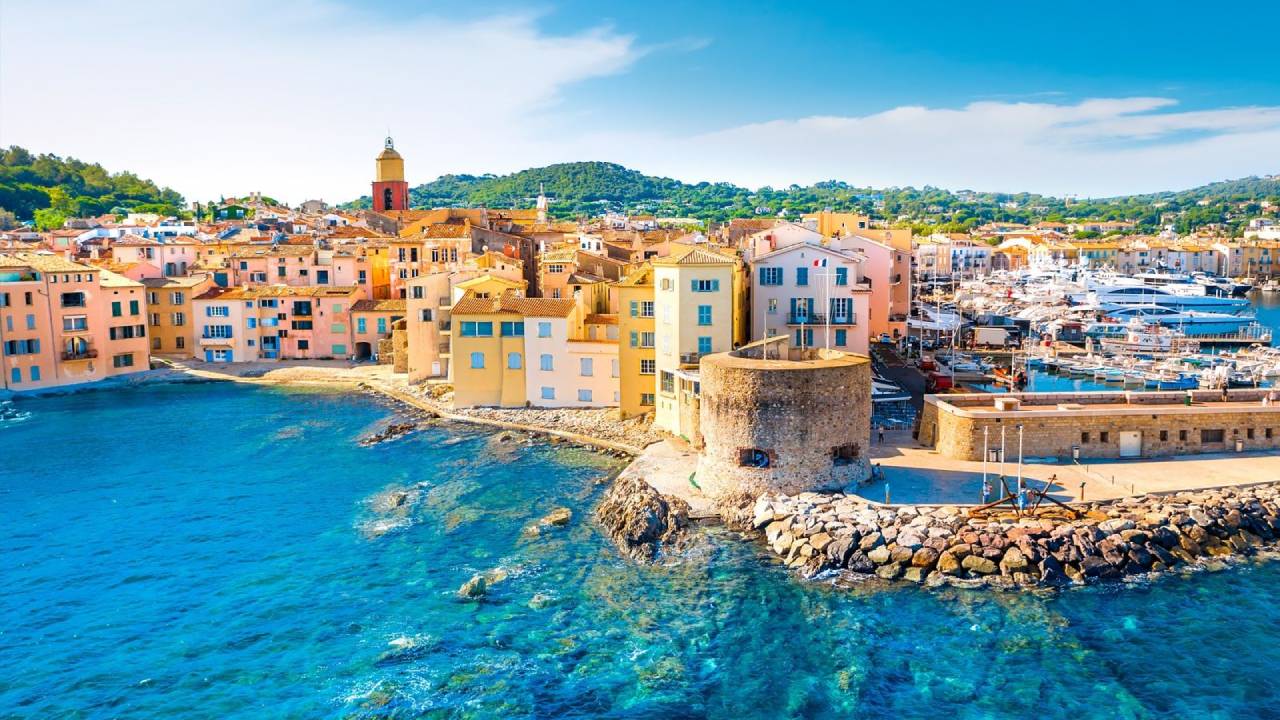
Where Affluent India Is Going This Summer: The Destination Map
The 2026 summer travel map for India's luxury segment is more diverse than at any point in the country's outbound travel history. Here is the definitive breakdown of where the money is flowing.
Top International Luxury Destinations for Indian Travellers — Summer 2026
| Destination | What's Drawing Affluent Indians | Typical Per-Person Budget (Luxury Tier) |
|---|---|---|
| Switzerland | Alpine luxury, glacier experiences, Michelin dining, scenic rail | ₹4–7 lakh |
| Maldives | Overwater villas, private island resorts, seaplane transfers | ₹1.8–2.5 lakh (4-night) |
| Italy (Amalfi, Sardinia, Lake Como) | Coastal villas, yacht days, vineyards, fashion shopping | ₹5–10 lakh |
| Australia & New Zealand | Wildlife, self-drive luxury, marine adventure, wine country | ₹6–12 lakh |
| Japan | Cultural depth, Ryokans, Michelin density, kaiseki dining | ₹4–8 lakh |
| Greece & Croatia | Private yacht charters, exclusivity, "less Indian" vibe | ₹5–9 lakh |
| South Africa | Big Five safaris, wine routes, self-drive luxury | ₹5–10 lakh |
| Seychelles & Mauritius | Island exclusivity, all-inclusive luxury, evergreen choice | ₹2.5–5 lakh |
| France (Paris, Riviera, Provence) | Cultural luxury, opera, art, wine country, Riviera beach clubs | ₹5–10 lakh |
| Canadian Rockies | Canyoning, lodge-led wilderness, multi-gen appeal | ₹6–10 lakh |
| Iceland & Norway | Northern Lights, glacier hikes, exclusivity factor | ₹6–11 lakh |
| Tanzania & Botswana | Bespoke safaris, conservation tourism, "complex" travel | ₹8–15 lakh |
Indicative budgets are per person for premium itineraries. Ultra-luxury bookings can run multiples higher.
The Maldives continues to hold a uniquely powerful grip on the Indian luxury traveller's imagination. To understand why, our feature on the ultimate luxury escape at Four Seasons Maldives Private Island at Voavah offers an immersive look at what the destination's finest properties now deliver.
The Domestic Luxury Resurgence
Even as outbound travel surges, over 60 percent of Indian travellers continue to prioritise domestic destinations — and within India, the luxury segment is blooming. More than half of all new hotel signings now happen outside the major metros, in places like Coorg, Pench, Bandhavgarh, Jodhpur, Jawai, Chettinad and the Kumaon hills.
India's Top Luxury Domestic Summer Destinations 2026
| Destination | Iconic Luxury Stays | Why It's Trending |
|---|---|---|
| Udaipur | Taj Lake Palace, Oberoi Udaivilas, Leela Palace, Fairmont, Raffles | Palace-on-water exclusivity, vintage car arrivals, Aravalli serenity |
| Jaipur & Jaisalmer | Rambagh Palace, Suján Rajmahal, Suján Jawai | Royal heritage, leopard safaris, dune luxury |
| Jodhpur | Umaid Bhawan Palace, Raas Jodhpur | Living palace stays, Mehrangarh views |
| Ranthambore & Bandhavgarh | Aman-i-Khás, Oberoi Vanyavilas, Taj Mahua Kothi | Tiger safaris with butler service |
| Goa (North & South) | Aguad Anjuna, Taj Fort Aguada, W Goa, Park Hyatt | Year-round luxury, villa culture, monsoon experiences |
| Kashmir & Ladakh | Lalit Grand Palace, Vivanta Dal View, Chamba Camp | Cooler climate, alpine grandeur, summer relevance |
| Coorg & Chikmagalur | Taj Madikeri, Evolve Back, Vivanta | Plantation luxury, monsoon escapes, weekend reach |
| Kumaon & Rishikesh | Ananda in the Himalayas, Six Senses Vana | Wellness sanctuaries, multi-day retreats |
| Kerala (Backwaters) | Kumarakom Lake Resort, Taj Bekal, Niraamaya | Houseboat luxury, Ayurveda tourism |
| Andaman Islands | Taj Exotica, Barefoot at Havelock | Private beach access, marine luxury |
Goa in particular is experiencing a remarkable year-round luxury renaissance. Taj Fort Aguada's luxury sundowner pickleball tournament is emblematic of how Goa's finest properties are reinventing themselves well beyond the beach-and-pool formula. And for those considering a monsoon staycation in Goa, our review of DoubleTree by Hilton Goa Panaji as the perfect monsoon staycation offers practical inspiration. Similarly, Jaisalmer continues to cement its status as a luxury desert destination, with the Jaisalmer Marriott Resort & Spa's eight years of excellence illustrating the city's sustained commitment to world-class hospitality.
The New Categories of Luxury Travel India Is Embracing
Private Jet Charter: From Niche to Normalised
India's private aviation market has grown over 18 percent year-on-year since 2022, with more than 150 DGCA-certified aircraft now available for on-demand charter. What was once the preserve of industrialists and film stars has become mainstream among the country's UHNWI cohort — particularly for short domestic luxury hops, destination weddings and last-minute international getaways. The pioneering early days of this market, when India's ultra-rich first flew to Goa and Maldives on private jets, now seem like a distant prologue to today's normalised charter culture. More recently, K9 JETS has introduced pay-per-seat private jet service for pet-friendly luxury travel — a telling sign of how granular and lifestyle-driven the private aviation category has become.
Indicative Private Jet Charter Costs in India — 2026
| Route | Light Jet | Midsize Jet | Heavy Jet |
|---|---|---|---|
| Mumbai–Delhi | ₹3.5–6 lakh | ₹6–10 lakh | ₹14–20 lakh |
| Mumbai–Goa | ₹3–5 lakh | ₹5–8 lakh | ₹12–18 lakh |
| Delhi–Mumbai (commercial-airport) | ₹13.5–16 lakh | ₹16–22 lakh | ₹24–32 lakh |
| Delhi–Dubai | — | ₹25–35 lakh | ₹30–40 lakh |
| Mumbai–Maldives | ₹15–20 lakh | ₹22–30 lakh | ₹35–45 lakh |
| Mumbai–London (ultra-long-range) | — | — | ₹1.5–2.2 crore |
Excludes GST, landing fees, crew overnight charges, and seaplane/speedboat resort transfers in the Maldives. Empty-leg flights can be up to 75% cheaper.
The Mumbai–Maldives sector has become particularly emblematic. Honeymooning couples and families increasingly arrive in Malé via private jet, then transfer onward by seaplane to ultra-luxury resort islands — a single journey that can cost the price of a luxury car.
Luxury Cruising: The Fastest-Growing Premium Segment
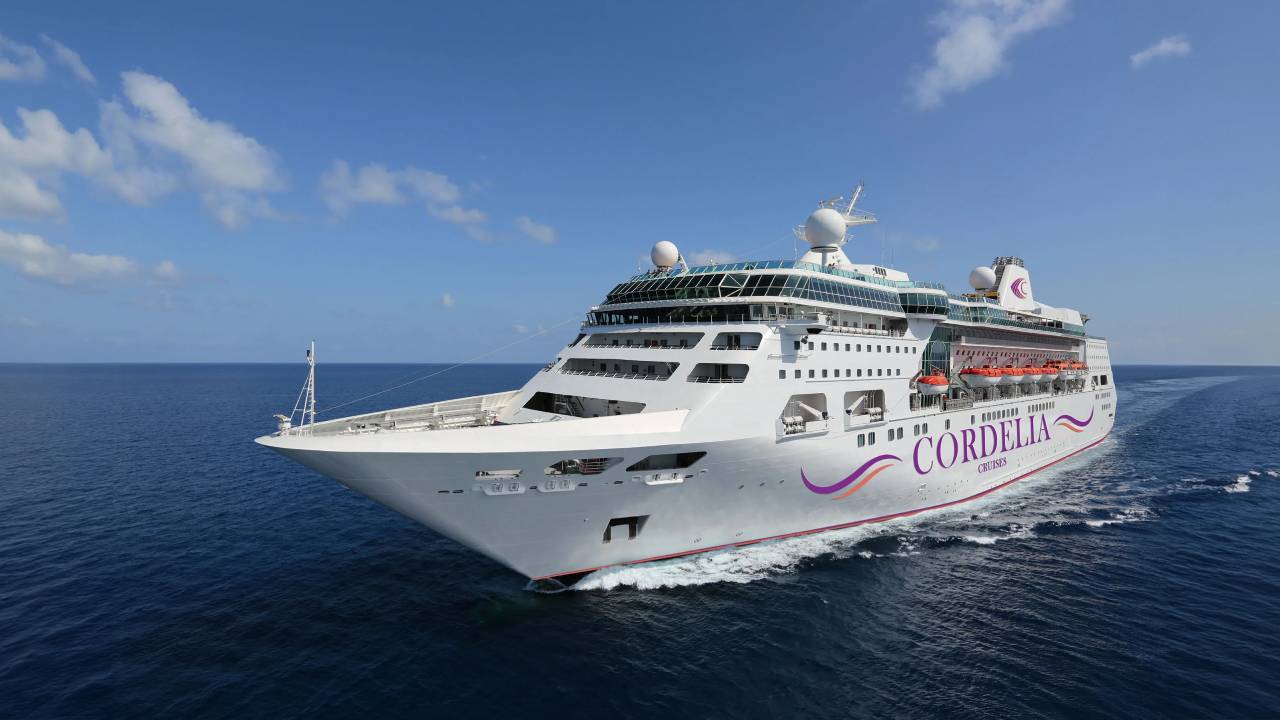
Cruise tourism has emerged as one of the most dynamic categories in Indian luxury travel. Cordelia Cruises, India's largest premium operator, runs short two-to-five-night Arabian Sea itineraries to Goa, Lakshadweep and Sri Lanka starting around USD 600–800 per person. At the ultra-luxury end, Silversea, Regent Seven Seas, Crystal and Seabourn are increasingly featuring Mumbai and Cochin in their world voyage itineraries, with all-inclusive fares starting around USD 4,000–6,000 per person.
The cruise wedding has become a particularly Indian phenomenon since Anant Ambani's pre-wedding cruise made global headlines. Cordelia and international operators now offer dedicated wedding charters with packages from ₹55 lakh upward for two-night, hundred-guest celebrations. For those interested in the broader luxury wedding travel ecosystem, our piece on luxury destination weddings returning to demand across India charts just how lavish these celebrations have become.
Wellness & Longevity Travel
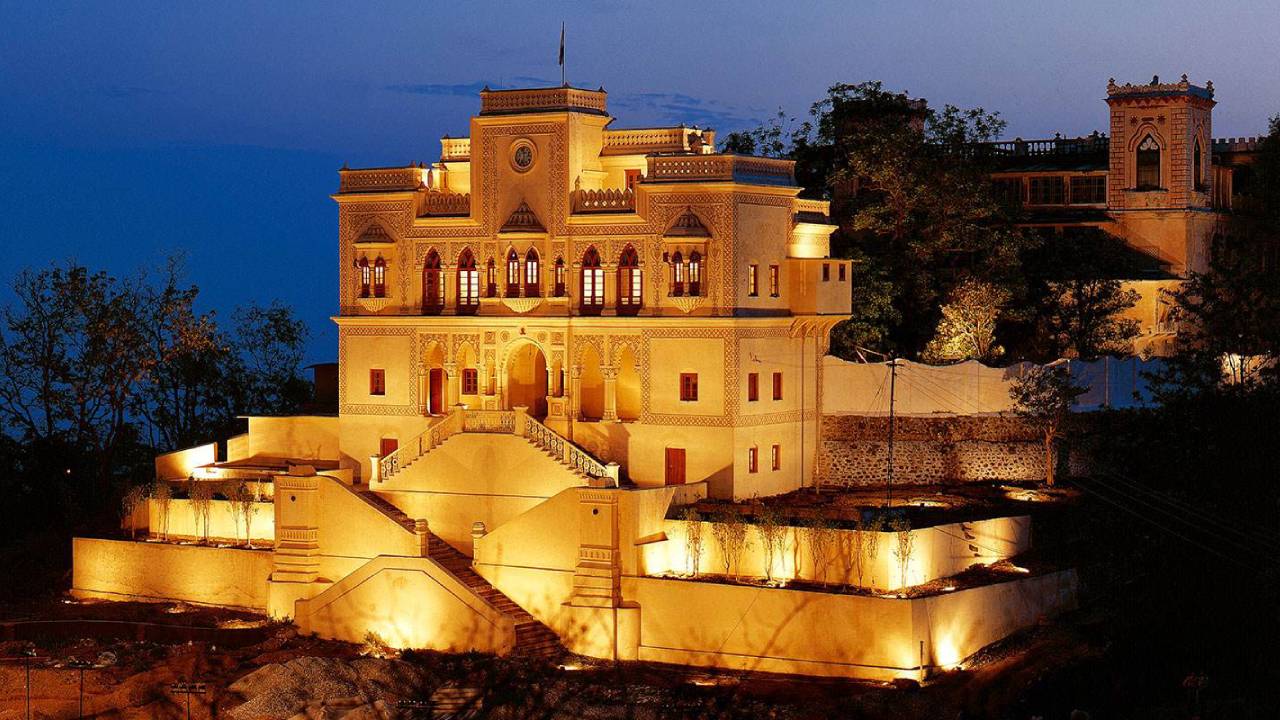
The Himalayan wellness sanctuary — once a backpacker's secret — is now a luxury category in its own right. Ananda in the Himalayas, Six Senses Vana, Atmantan, Niraamaya Wellness Retreats and a growing portfolio of branded wellness properties are reporting unprecedented demand. The new Indian luxury traveller wants not just a holiday, but a measurable health intervention: a panchakarma cleanse, a longevity diagnostic, a sleep optimisation programme. Average spends at these properties run ₹50,000–₹1,50,000 per night. The Six Senses Vana wellness resort in the Himalayan foothills represents the pinnacle of this category, while the Atmosphere Core expansion into Himalayan heights with Atmosphere Kufri signals that serious hospitality operators are racing to claim this market.
Experiential & Adventure Luxury
The most affluent are increasingly defined by what they do, not just where they stay. Heli-skiing in Gulmarg or British Columbia. Shark cage diving in South Africa. Hot-air ballooning in Cappadocia. Stargazing in the Atacama. ATV trails in Iceland. Polar cruises to Antarctica. Luxury is no longer a thread-count metric — it is an experiential one. For a masterclass in how adventure and luxury are being fused in destination travel, our coverage of why New Zealand's Alps to Ocean Trail is a rare luxury adventure captures the gold standard for this category.
The Indian Luxury Travel Market: Sizing the Opportunity
Market Size and Growth Projections
| Metric | 2025 | Projected | CAGR |
|---|---|---|---|
| India Luxury Travel Market | USD 79.65 billion | USD 179.68 billion (2033) | 10.8% |
| India Outbound Tourism Market | USD 29.8 billion | USD 60+ billion (2031) | 10.9–11.4% |
| Outbound Travellers from India | 29.56 million (Jan–Sep 2025) | 50+ million (2030) | — |
| India's Global UHNWI Share | 19,877 individuals | 25,217 (2031) | — |
| India's Billionaire Population | 207 | 313 (2031) | +51% in 5 years |
| India's Outbound Tourism Spend | USD 33.3 billion (2023) | Continuously rising | — |
Sources: IMARC Group, Grand View Research, Future Market Insights, Knight Frank Wealth Report 2026, UNWTO data
Where the Money Is Going: Spending Distribution
The 2026 luxury Indian holiday is a multi-line-item exercise. While accommodation remains the largest single spend, the modern affluent traveller routinely budgets across categories that did not exist in mainstream Indian travel a decade ago.
| Spending Category | Share of Luxury Trip Budget (Indicative) |
|---|---|
| Accommodation (5-star and above) | 30–40% |
| International business/first-class flights | 20–30% |
| Experiences, guides, tickets, activities | 15–20% |
| Fine dining and gastronomy | 10–15% |
| Luxury shopping (fashion, watches, jewellery) | 10–25% |
| Private transfers, jets, helicopter, yacht | 5–15% |
| Wellness, spa, longevity treatments | 5–10% |
For many affluent Indian families, shopping alone can constitute 25 percent or more of total trip spend — a defining feature of Indian luxury travel that distinguishes it from Western affluent behaviour. International holidays double up as access to global fashion, exclusive collections, watches, and jewellery unavailable or duty-heavy in India. Our analysis of why India is a lucrative market for premium watches captures the appetite that drives this travel-retail behaviour.
The New Luxury Indian Traveller: A Psychographic Profile
After synthesising data from multiple industry reports, here is the composite profile of the affluent Indian traveller defining this summer's travel boom.
What They Want
- Privacy and discretion. Especially among UHNWIs, the desire is for places where Indian travellers are not the dominant nationality.
- Authenticity over checklist sightseeing. Cooking classes in Tuscany over coliseum queues. Local supermarkets and grocery stores ("grocery store tourism" is a real 2026 trend).
- Family-shaped itineraries. Multi-generational, child-influenced, often featuring soft adventure for kids and culture for parents.
- Status with substance. Hotels matter. So does the dinner reservation, the yacht charter, and the private guide. But increasingly so does the conservation story, the local craftsperson, the chef's farm.
- Wellness woven in. Even on celebration trips, there is a yoga session, a wellness consultation, a longevity check-in.
- Seamless service. The Indian luxury traveller is sophisticated, well-travelled, and quick to spot mediocrity in service. Concierge depth matters more than ever.
What They Are Leaving Behind
- The 7-country-in-12-days European blitz
- Buffet dinners and "Indian menus" abroad
- Tour bus group photos at predictable monuments
- Compromise stays where the location is great but the property is not
- Anything that feels mass-market
Industry Voices: What the Travel Trade Is Seeing
The trends are not just statistical. They are echoed in the daily client conversations of India's leading luxury travel directors.
"The luxury segment is growing in a big way. We are seeing a significant rise in demand for cruises because they combine luxury with convenience — everything is taken care of for several days, making them ideal for celebrations." — Guldeep Sahni, Managing Director, Weldon Tours and Travels
"Indians are used to a certain level of comfort. They prefer four-star or five-star hotels, private transfers, and curated experiences. Sometimes a destination suddenly becomes fashionable — for instance, driving to San Sebastián just for its food has become a thing among wealthy travellers." — Arun, Panache World
"We are focussing more on destinations which are complex. Tanzania, Polar Cruises and Iceland are some of them. Well-travelled and well-heeled travellers are the segment to watch out for this year." — Maheshwari, Rainbow Vacations
"What we're seeing today is a clear shift in traveller behaviour, especially among Gen Z and millennials, where travel is increasingly being shaped by intent rather than just destination." — Manjari Singhal, Chief Growth and Business Officer, Cleartrip
What This Means for Luxury Brands
The implications of this shift for luxury hospitality, fashion, automotive, jewellery, real estate and lifestyle brands are profound — and they are commercial.
Hospitality
Five-star hotel groups in India and globally need to recalibrate their Indian-traveller strategies. The Indian guest of 2026 is no longer cost-sensitive in the same way. They are time-sensitive, experience-sensitive, and intensely service-quality-sensitive. Properties that win this customer offer butler service that anticipates rather than reacts, cuisine that respects dietary preferences without ghettoising, and concierge teams that can secure the unsecurable. For a glimpse of what the best Indian luxury hospitality looks like from the inside, our piece on the spa at Four Seasons Mumbai where gold, Ayurveda and stillness redefine modern luxury is instructive.
Fashion and Luxury Goods
International holidays are now significant retail moments. Brands that build clienteling relationships with Indian travellers — through private appointments in Milan, Paris, London and Dubai — capture disproportionate share of wallet. The "destination boutique" experience matters more for Indian luxury consumers than perhaps any other nationality. Our analysis of 7 key trends shaping the evolving Indian luxury buyer provides the full psychographic picture that global brands need to understand.
Real Estate and Branded Residences
The same affluent cohort driving travel is also driving the boom in branded residences and second-home markets — Dubai, London, Goa, Alibaug, Coonoor, the Maldives, and Switzerland. Travel is increasingly the gateway to property purchase. Hospitality brands with residential extensions are capturing both wallets at once. For the full picture of this intersection, our report on ten strategic reasons India's ultra-wealthy are building ultra-luxury real estate empires explains why these two luxury behaviours are now deeply intertwined.
Automotive, Jewellery and Watches
Travel and luxury purchases are now interlinked behaviours. The same household upgrading to a Bentley or a Patek Philippe is also booking a ten-day Sardinia holiday. Brand strategies need to think across these moments. Our investigation of how India's luxury car market is driven by exclusivity, emotion, and elegance maps directly onto the same motivations shaping luxury travel choices.
Concierge and Bespoke Travel
The biggest beneficiary of this shift is the bespoke luxury travel firm. The Indian affluent — having outgrown the mass-market OTA experience — is rapidly migrating to high-touch travel concierges that build itineraries from scratch, secure access to closed venues, and deliver "white-glove" service end-to-end. This is the fastest-growing service category in Indian luxury travel.
The Outlook: Why This Trend Will Accelerate, Not Plateau
There is a temptation in trend journalism to caveat every observation with concerns about reversal. In the case of Indian luxury travel, the structural drivers are too deep for that.
- Wealth creation is accelerating, not slowing. India's UHNWI base is on track to grow another 27 percent by 2031.
- Visa facilitation is improving. Visa-free or visa-on-arrival access for Indians has expanded meaningfully, with Malaysia, the UAE, Thailand, Indonesia, the Maldives and several Caribbean nations leading the way.
- Air capacity is expanding. Indian carriers are adding wide-body aircraft and direct long-haul routes; foreign carriers are deepening their India networks.
- The next generation is global by default. Indian Gen Z and millennials view travel as a lifestyle, not a luxury — and they expect to travel often and travel well.
- Cultural permission has shifted. Spending visibly on travel is no longer taboo in affluent Indian households. It is a marker of having arrived.
The 108 percent surge in five-star bookings this summer is not an anomaly. It is a signal of where Indian travel is permanently heading. Budget travel will always have its place. But for the affluent, the cost of the holiday is no longer the question. The question is whether it was worth it.
This summer, more than ever before, the Indian luxury traveller is answering yes. For inspiration on where to go next and what experiences to book, explore what luxury travel insiders say the Maldives' hidden gems and 2025 travel trends reveal about the experiences defining the decade ahead.
Frequently Asked Questions
Why are Indian travellers choosing luxury over budget trips this summer?
Multiple structural forces are converging: a rapidly expanding UHNWI base (now the world's sixth-largest), rising disposable income across Tier-1 and Tier-2 cities, child-influenced family decision-making, and a cultural shift in which travel is seen as lifestyle rather than luxury. Cleartrip's 2026 data shows 5-star hotel bookings up 108.2 percent.
How big is the Indian luxury travel market?
The India luxury travel market was valued at approximately USD 79.65 billion in 2025 and is projected to reach USD 179.68 billion by 2033, growing at a CAGR of 10.8 percent.
What are the top international luxury destinations for Indians in 2026?
Switzerland, the Maldives, Italy (especially Sardinia, Amalfi, Lake Como), Australia, New Zealand, Japan, Greece, Croatia, South Africa, France, Seychelles and Mauritius dominate. Emerging "complex" destinations include Tanzania, Iceland, Norway, Slovenia and the Baltics.
What about luxury travel within India?
Domestic luxury is booming. Udaipur, Jaisalmer, Jodhpur, Ranthambore, Coorg, Kashmir, Ladakh, the Andamans and Kerala are all seeing strong demand for their highest-tier properties. More than half of new hotel signings are happening outside major metros.
How much does a typical luxury international holiday cost a family of four?
Indicative ranges: Maldives 4-night (₹8–10 lakh), Switzerland 10 days (₹16–28 lakh), Italian Riviera 10 days (₹20–40 lakh), Australia/New Zealand 14 days (₹24–48 lakh). Ultra-luxury bookings with private jets and yacht charters can run multiples higher.
Are private jets really being used for domestic Indian travel?
Yes. India's charter market has grown 18 percent year-on-year since 2022, with 150+ DGCA-certified aircraft. Mumbai–Delhi, Mumbai–Goa and Delhi–Udaipur are among the most-flown domestic charter routes. Empty-leg deals make this more accessible.
What is the cruise wedding trend?
Following high-profile celebrity cruise weddings, Indian couples are increasingly booking dedicated cruise wedding charters. Packages start around ₹55 lakh for two-night, hundred-guest celebrations on Indian-port departures, with international cruise lines offering bespoke programmes.
This article was researched and compiled by LuxuryAbode using data from Cleartrip Nation on Vacation 2026, Knight Frank Wealth Report 2026, IMARC Group, Grand View Research, Future Market Insights, Skyscanner Travel Trends 2026, and interviews and industry commentary from leading Indian luxury travel directors.
For luxury homes, branded residences, and curated lifestyle experiences for India's discerning, visit LuxuryAbode.com.


Comments
No comments yet.
Add Your Comment
Thank you, for commenting !!
Your comment is under moderation...
Keep reading luxury post