G. Reghu Returns to Mumbai with Shared Ground Exhibition at ICIA Gallery, Kala Ghoda
 Anishka Kataria
- 3rd Jul 2026
- 1400
- 0
Why G. Reghu's Return to Mumbai Matters for India's Contemporary Sculpture Scene
In an era where contemporary art is increasingly defined by monumental installations, digital experimentation and conceptual spectacle, celebrated sculptor G. Reghu continues to champion something profoundly different—quietness.
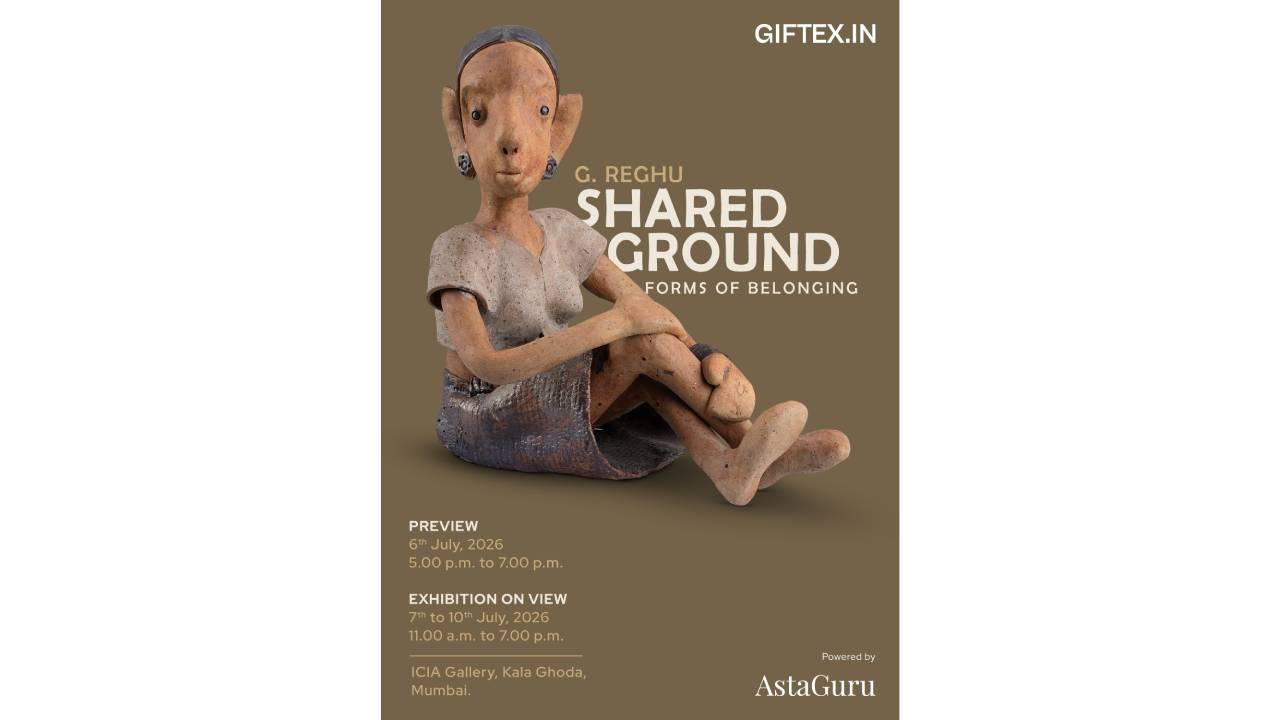
Returning to Mumbai after a five-year hiatus, the acclaimed Kerala-born sculptor will present Shared Ground: Forms of Belonging, a thoughtfully curated solo exhibition featuring 36 ceramic stoneware sculptures created between 2021 and 2024.
Presented by Giftex at ICIA Gallery, Kala Ghoda, the exhibition runs from 7–10 July 2026, offering collectors, designers, architects and art enthusiasts an opportunity to experience one of India's most distinctive voices in contemporary sculpture. The gallery has a longstanding history of presenting exceptional Indian artists — most recently presenting the iconic bronze works of master sculptor Himmat Shah at ICIA in collaboration with AstaGuru.
A Meditation on Humanity, Nature and Belonging
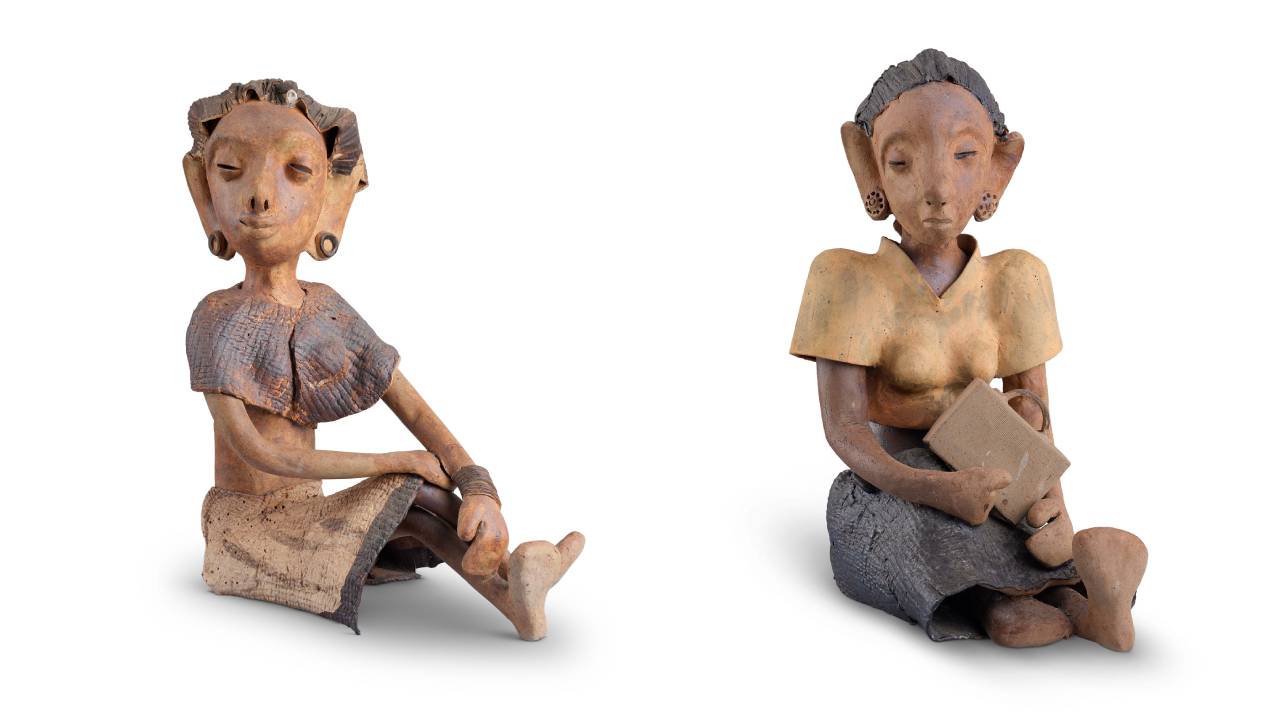
Rather than creating sculptures that demand attention through scale or spectacle, Reghu's works invite contemplation.
His quietly expressive figures—seated, resting, crouching or leaning gently towards the earth—occupy a delicate space between abstraction and figuration. Inspired by the rhythms of rural India, they evoke universal emotions of stillness, resilience, memory and belonging.
Working almost exclusively in clay, Reghu approaches the material not simply as a medium but as an extension of human existence itself. Each sculpture bears the unmistakable traces of its making—touch, smoke, ash and fire—allowing the creative process to remain visible rather than concealed beneath polished finishes.
The Quiet Power of Clay
At the heart of Shared Ground: Forms of Belonging lies a simple yet powerful idea: human beings remain inseparable from the earth that shapes them.
Rendered in muted natural tones and textured matte surfaces, Reghu's ceramic stoneware sculptures celebrate humility over grandeur and permanence over fashion.
Unlike many contemporary exhibitions that rely heavily on interpretation, Reghu deliberately leaves every sculpture untitled, allowing viewers to form deeply personal connections without prescribed narratives. This restraint echoes the approach of India's greatest abstract painters — much as Vasudeo Gaitonde redefined the language of Indian abstract painting through silence and suggestion rather than explicit narrative.
Sculpture Rooted in India's Living Traditions
Over more than four decades, Reghu has spent considerable time living and working in the rural landscapes of Wayanad, Kerala, and Bastar, Chhattisgarh. These experiences continue to shape his artistic vocabulary.
The elongated ears, simplified facial expressions and stylised hairstyles found throughout his sculptures draw inspiration from indigenous communities—not as documentary representations but as timeless reflections on shared human experience.
His practice also reflects the influence of Gandhian ideals, emphasising sustainability, local craftsmanship and respect for natural materials. This philosophy places him firmly within a broader tradition of Indian artists who have drawn from their regional roots to create work of universal resonance, a legacy celebrated through events such as the Hub India art exhibition that brought Indian artistic vision to Turin.
Where Traditional Craft Meets Contemporary Art
Every sculpture in the exhibition is painstakingly hand-built using locally sourced clay before being wood-fired between 1,250°C and 1,280°C.
Instead of relying on industrial glazes or chemical finishes, Reghu uses natural oxides, allowing fire, ash and kiln conditions to create uniquely textured earthy surfaces. The result is a body of work where no two sculptures are ever identical—each carrying subtle variations that celebrate the unpredictability and authenticity of traditional ceramic practice.
This devotion to handcraft over industrial reproduction places Reghu within a distinguished lineage of Indian makers who insist on the integrity of process. Collectors drawn to this philosophy will find a similar ethos in Hastkala by Archana Jaju's nature-inspired handcrafted masterpieces, where material honesty and artisanal skill define the finished work.
Influences That Continue to Shape His Practice
Reghu's artistic journey has been profoundly influenced by some of India's most respected creative minds. Architects Laurie Baker and Elizabeth Baker instilled in him a philosophy of simplicity, sustainability and material honesty, while celebrated artist J. Swaminathan helped refine the sculptural language he developed during his formative years at Bharat Bhavan in Bhopal.
These influences continue to resonate throughout his work, where restraint often communicates more powerfully than excess. The intersection of architecture, sustainability and artistic practice that shaped Reghu mirrors the broader conversation around unearthing hidden gems and celebrating India's timeless artistic masters.
A Rare Opportunity for Mumbai's Art Collectors
Marking Reghu's first Mumbai exhibition in five years, Shared Ground: Forms of Belonging presents an important opportunity for collectors to engage with one of India's most respected ceramic sculptors.
Rather than presenting sculpture as an object to be decoded intellectually, the exhibition encourages viewers to experience each work intuitively—through silence, presence and emotional connection.
For collectors seeking works that embody craftsmanship, cultural memory and timeless artistic value, the exhibition offers a compelling encounter with one of India's most enduring contemporary sculptural practices. Those building serious collections of Indian contemporary art may also wish to explore why India's wealthy are increasingly leveraging their art collections as financial assets alongside cultural investments. Auction results continue to affirm the strength of this market: AstaGuru's modern and contemporary art auctions explore the full metamorphosis of Indian art, offering an authoritative barometer of where collector demand is strongest.
Exhibition Details
| Exhibition | Shared Ground: Forms of Belonging |
|---|---|
| Artist | G. Reghu |
| Venue | ICIA Gallery, Kala Ghoda, Mumbai |
| Dates | 7–10 July 2026 |
| Timings | 11:00 am – 7:00 pm |
LuxuryAbode Perspective
Luxury is increasingly being defined by authenticity, craftsmanship and enduring cultural value rather than material extravagance alone.
G. Reghu's sculptures embody this evolution. Their handcrafted surfaces, locally sourced materials and quiet emotional depth stand in deliberate contrast to a world driven by speed and spectacle. As discerning collectors increasingly seek artworks with provenance, philosophy and permanence, exhibitions such as Shared Ground: Forms of Belonging reaffirm why contemporary Indian sculpture continues to occupy an increasingly important place within the global luxury conversation. The ShowKeen exhibition celebrating icons of modern and contemporary Indian artistic expression offers further evidence that Mumbai's art ecosystem is entering a new era of ambition and international relevance.

Comments
No comments yet.
Add Your Comment
Thank you, for commenting !!
Your comment is under moderation...
Keep reading luxury post