Kochi-Muziris Biennale 2027: Kader Attia Asks Who Owns Our Imagination
 Anishka Kataria
- 15th Nov 2026
- 1232
- 0
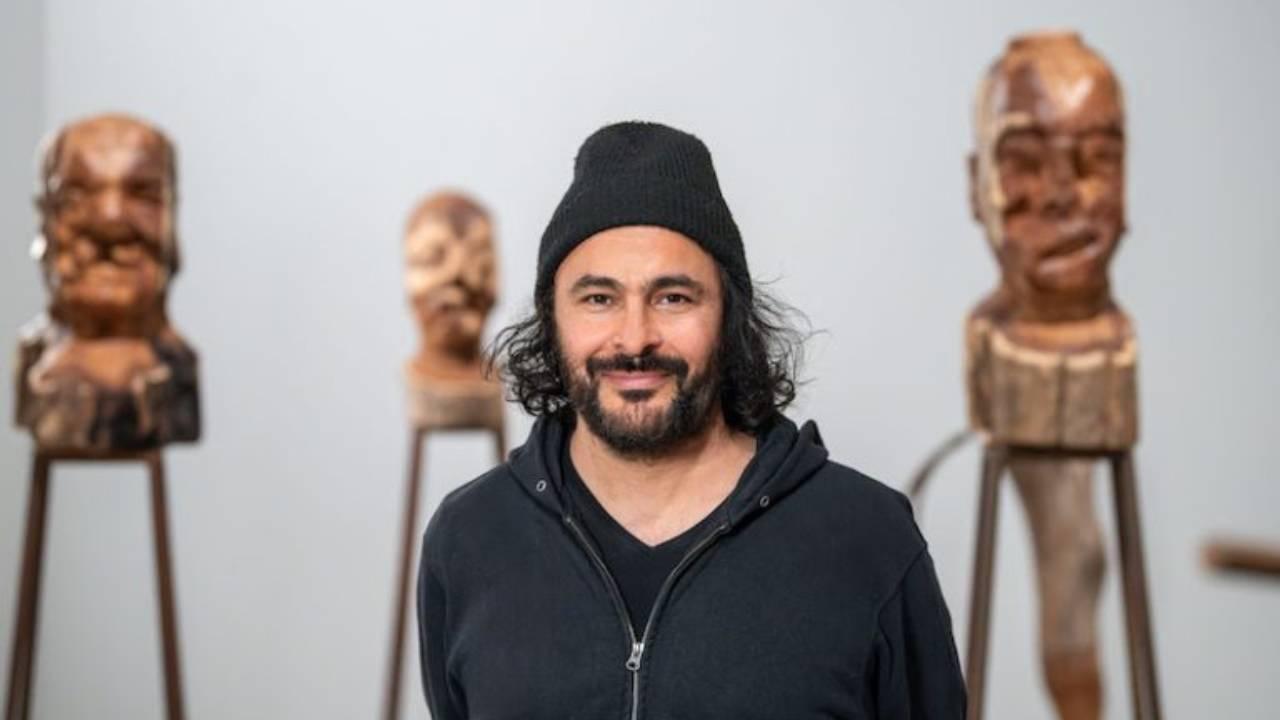
At the Chhatrapati Shivaji Maharaj Vastu Sangrahalaya in Mumbai on 14 November 2026, with the LuxuryAbode team in attendance, Algerian-French artist Kader Attia posed the question that will shape the seventh Kochi-Muziris Biennale. As artificial intelligence grows more adept at predicting what we might want to see, how much room do we have to imagine something we could never have asked for?
Attia presented his curatorial ideas before a conversation with artist and biennale president Jitish Kallat.
Attia's starting point was the unpredictability of dreams. A memory can resurface in sleep in a form we barely recognise. An artwork can do something similar, bringing an experience into focus long after we thought we understood it. For Attia, that shift is where repair can begin. The past remains part of the story. The way we remember it can change.
The biennale is scheduled to run from 12 December 2027 to 31 March 2028 in Fort Kochi and Mattancherry, Kerala. The Mumbai presentation put an idea on the table that visitors can test for themselves. What happens when an artwork returns to mind days after we have seen it, and the memory it brings with it feels different? It is a question the role artificial intelligence now plays in luxury makes harder to ignore.
A 1905 story about who gets to imagine the world
One of the most precise references Attia made in Mumbai was to Sultana's Dream, the 1905 short story by Bengali writer and social reformer Rokeya Sakhawat Hossain. Its narrator falls asleep and wakes in Ladyland, where women move freely through public life and men are kept indoors. Ladyland also has flying vehicles and solar technology. The reversal makes an everyday arrangement of power look as strange as it ought to.
That example gives Attia's AI question some precision. A recommendation system can use what we have already watched or read to suggest what might interest us next, a logic already visible in how artificial intelligence is reshaping luxury retail. Rokeya's story rearranges who gets to move through a city and who must stay home. The surprise changes how the reader sees the world outside the story.
What Attia means by repair
In Open Your Eyes (2010), a two-channel slide projection in MoMA's collection, Attia puts photographs of repaired objects from museum storerooms in conversation with archival portraits of soldiers wounded during the First World War. He later developed that inquiry into The Repair, a large-scale installation shown at dOCUMENTA (13) in Kassel in 2012. The pairing invites viewers to look at what a repair leaves visible and what someone might wish to conceal. In a museum, that raises a question of authority. Who gets to decide which marks are damage and which are part of the object's history?
Questions of care and history surface across the art world, from the restoration of the Good Mother statue in Marseille to LACMA's exhibition on the transatlantic slave trade and its aftermath, where institutions decide how a difficult past is shown.
Why the question belongs in Kochi
Attia first took part in the biennale in 2014, when Kallat curated its second edition. His return brings the idea of repair to a port city whose trading history remains visible at street level. In Mattancherry, spice warehouses are still used to dry, sort and pack cargo. Walk out of an exhibition into those streets and the curatorial question acquires a local form. Whose work, trade and movement do we remember when we tell the story of a port?
Visitors planning the journey can look at ten luxurious vacation rentals in Kerala or at The Leela's second hotel in God's Own Country. For readers who follow how Indian art travels beyond the biennale circuit, AstaGuru's exploration of the metamorphosis of Indian art, Masha Art's exhibition showcasing Indian artists and the Hub India art exhibition in Turin, Italy offer useful context. Attia's own French and Algerian background also echoes in the exhibition tracing the cartographic journey of the French in India.
What stays with you after the biennale
The curatorial proposition announced in Mumbai leaves room for a response nobody can schedule. An artwork encountered during the 2027-28 biennale might return to mind on an ordinary day weeks later. By then, its setting may have faded while a detail persists. Attia's wager is that such a detail can change what a person notices in a memory they had long considered settled.
Collectors and gallery-goers in Mumbai can continue the conversation at The Designera, India's first luxury pop art gallery, while those thinking about how images shape memory may enjoy reading about the role photography plays in luxury and why storytelling matters so much for a luxury brand.
FAQs
When is the Kochi-Muziris Biennale 2027?
The seventh edition is scheduled for 12 December 2027 to 31 March 2028.
Where will the Kochi-Muziris Biennale 2027 take place?
The biennale is scheduled to take place in Fort Kochi and Mattancherry in Kochi, Kerala.
Who is curating the seventh Kochi-Muziris Biennale?
Algerian-French artist Kader Attia is curating the seventh Kochi-Muziris Biennale. He previously exhibited in its 2014 edition.
What is Kader Attia's curatorial vision for Kochi-Muziris Biennale 2027?
Attia's curatorial proposition centres on dreams, memory and repair. It asks how art can change the way people remember personal and collective histories at a time when AI increasingly shapes what they encounter.

Comments
No comments yet.
Add Your Comment
Thank you, for commenting !!
Your comment is under moderation...
Keep reading luxury post