- Blog
- Luxury Gadgets
- India
The Ultra-Luxury Gadget Market in 2026: A Category Deep Dive for People Who Know the Difference Between Premium and Precious
 Namrata Parab
- 21st May 2026
- 2052
- 0

There is a ₹50,000 version of almost every gadget category. There is also, if you know where to look, a version that costs ₹50 lakh. The space between those two numbers is where most luxury gadget journalism gets it completely wrong — conflating price with quality, status with engineering, and marketing-driven scarcity with genuine rarity.
This guide is not for people buying the second-most-expensive iPhone because it makes a point at dinner. It is for buyers who want to understand what they are actually purchasing when they spend serious money on technology — which categories justify it, which do not, and what the true landed cost looks like in India once customs, IGST, and grey market dynamics are factored in. For a broader framework on how India's wealthiest buyers are approaching luxury expenditure across categories, our shadow price list of what luxury actually costs in India is essential reading before making any significant import decision.
The honest answer, which almost nobody publishes, is that most ultra-luxury gadgets are a poor allocation of capital. They depreciate at the same rate as regular consumer electronics — often faster — because software obsolescence is platform-level and does not care about your gold case. There are, however, five categories in which spending significantly more buys something genuinely irreplaceable: a differentiated sensory experience, a device with no functional equivalent at any lower price, or an object that will be used for decades rather than replaced in three years. Those are the categories that matter.
The Market Structure Nobody Explains
The ultra-luxury gadget market operates across three distinct tiers, each with a different underlying logic.
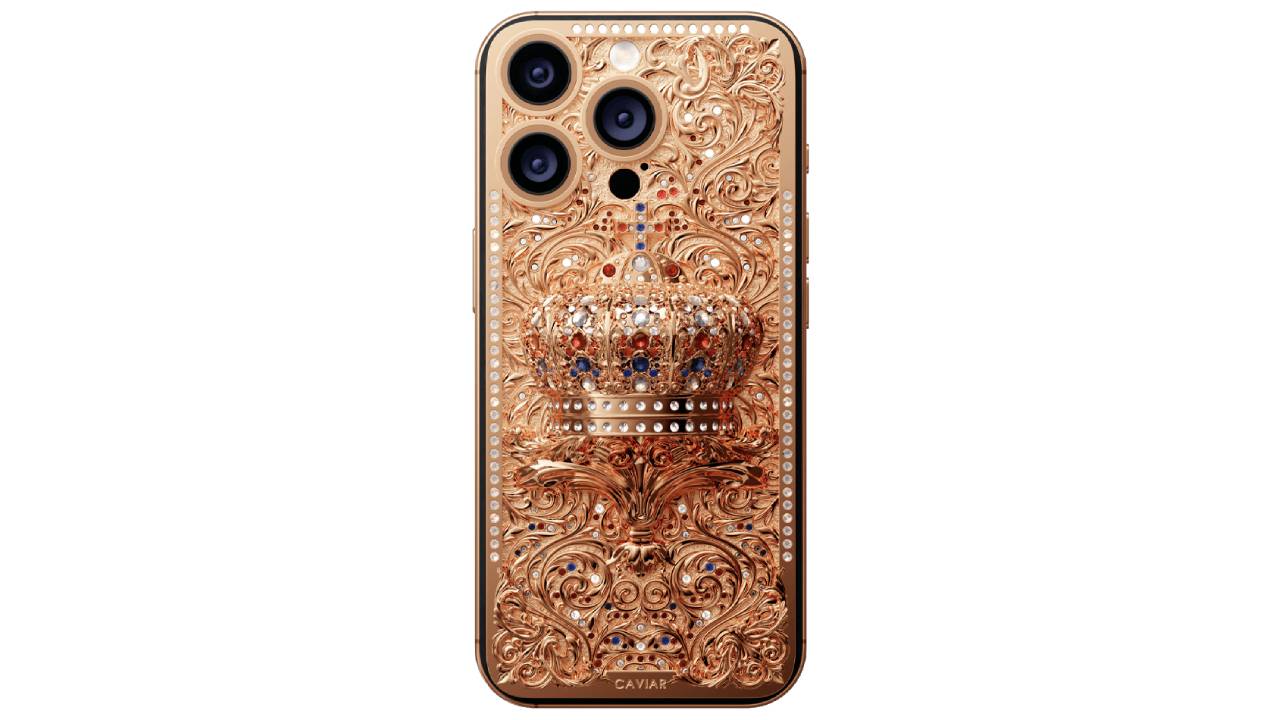
Tier 1 — Jewellery-grade devices: Objects where the electronics are a pretext. A Caviar iPhone 16 Pro Max in solid 18K gold runs the same iOS as a standard model, autofocuses with the same camera system, and depreciates the moment it leaves its case. The premium — which starts at $3,850 for entry Caviar modifications and reaches $142,990 for the full solid-gold Jobs 4 edition — is entirely materials and exclusivity arbitrage. These are purchased as statements, not tools.
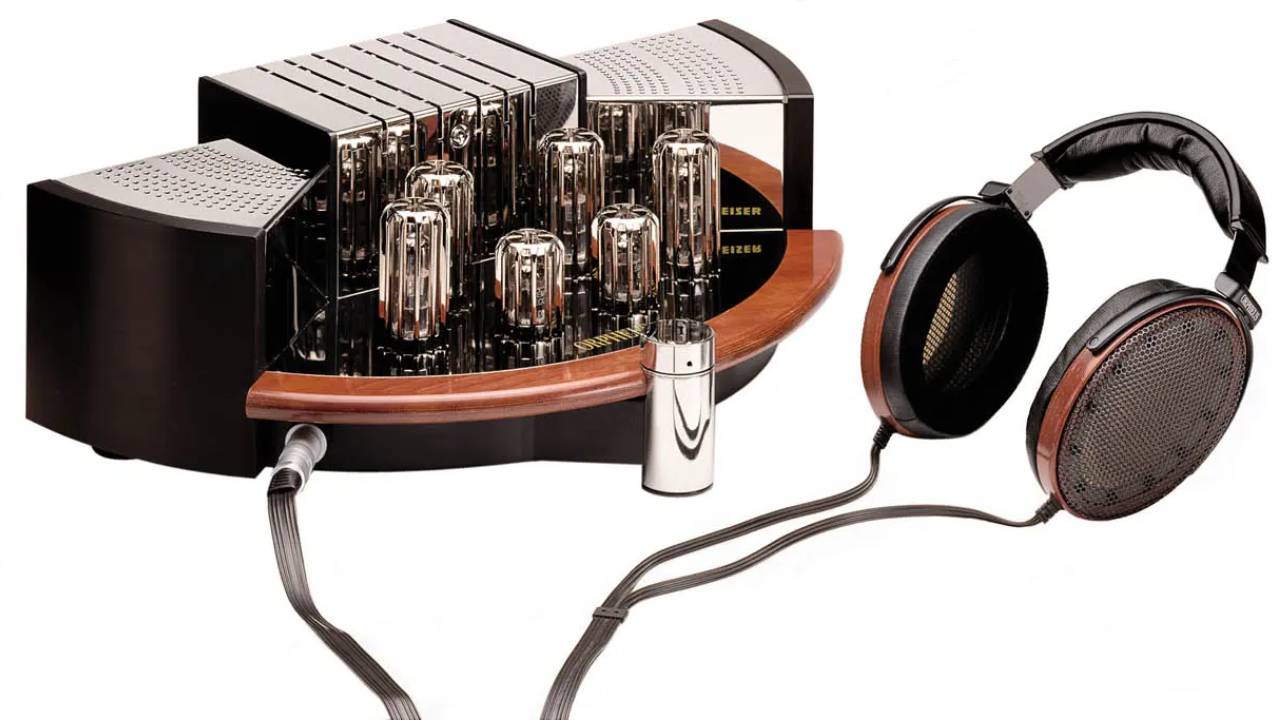
Tier 2 — Genuine engineering at the edge of the possible: The Sennheiser HE 1 headphone system ($59,000 / approx. ₹57 lakh before India import duties), the Bang & Olufsen Beolab 90 ($211,800 per pair / approx. ₹1.9 crore), the Leica M11-P ($9,840 / approx. ₹9.4 lakh). These are devices where the engineering itself is the luxury — built with manufacturing tolerances and materials that genuinely cannot be replicated at lower price points.
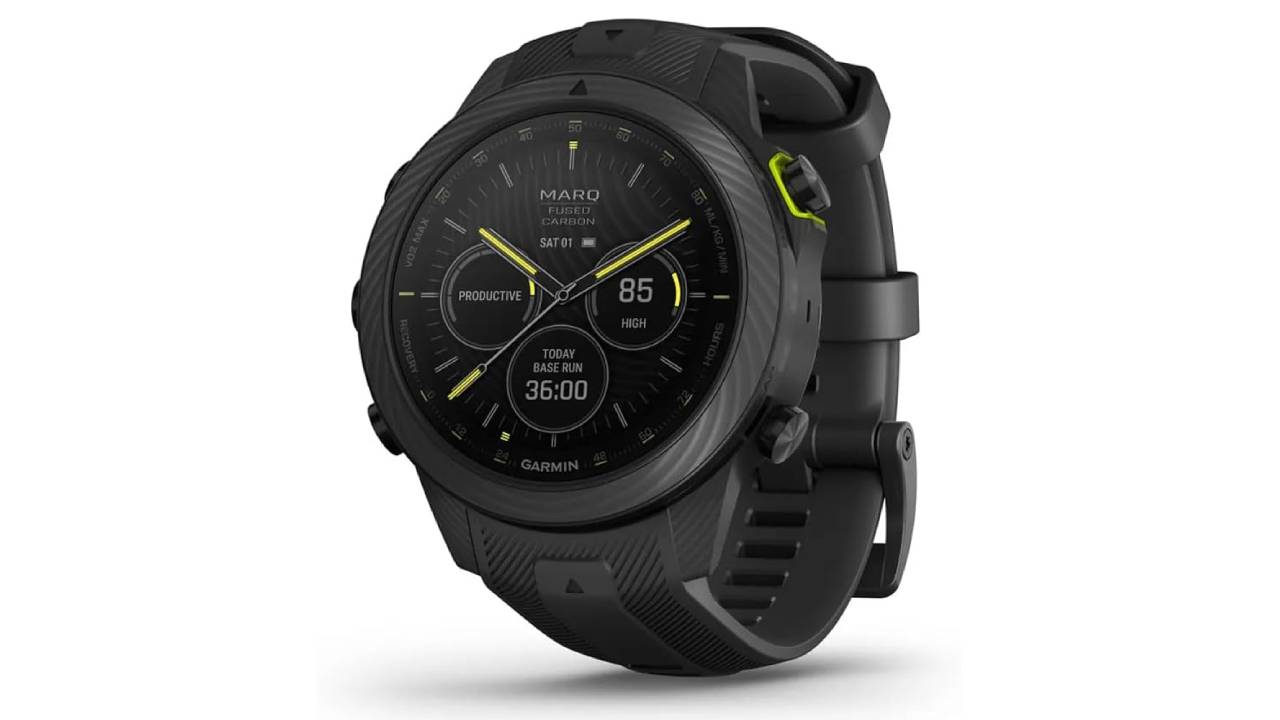
Tier 3 — Brand premiums on functional hardware: Garmin MARQ Carbon ($2,950–$3,200), Apple Watch Hermès Ultra ($1,200 and up), Vertu METAVERTU II ($10,000–$25,000+). These are superior hardware at meaningful premiums, but the gap between them and their closest competitors is narrower than their price differential suggests.
Understanding which tier you are buying in is the primary decision. Everything else is detail. For a sense of how Indian UHNWIs are thinking about technology as part of a broader luxury portfolio, our guide to 7 key trends shaping the evolving Indian luxury buyer maps the mindset that drives decisions at this price level.
Ultra-Luxury Smartphones: The Most Honest Assessment You'll Read
The luxury phone market in 2026 is dominated by two distinct business models: customisation houses (Caviar, Goldgenie) that modify existing flagship hardware, and purpose-built platforms (Vertu, Gresso) that build from the ground up.
Caviar operates exclusively as a customisation studio, applying precious materials to Apple and Samsung flagship hardware. Their process for gold variants involves applying 18K red gold or solid gold plating to a standard iPhone chassis with carbon fibre inserts, hand-engraved details, and a specialist anti-radiation case. Entry modifications start at around $3,850. Their most extreme offering — the iPhone 15 Pro Max Jobs 4 Full Gold — commands $142,990. The important distinction: you are running the same A-series chip, the same iOS build, the same camera system as a ₹1.5 lakh iPhone. The premium is entirely aesthetic.
Vertu takes a different position. The Vertu Quantum Flip starts at $4,300 and reaches $25,310 for rare custom editions, using materials including calfskin leather, carbon texture, agate, and integrating quantum encryption alongside an AI-powered concierge service. For context on Vertu's brand evolution and what the titanium-and-sapphire luxury phone proposition has meant to India's affluent, our earlier piece on Vertu's titanium phone equipped with air quality sensors documents the house's commitment to building genuinely differentiated hardware.
The India reality: Neither Caviar nor Vertu has robust official distribution in India. Sourcing either requires private import, which triggers a 20% Basic Customs Duty on smartphones, a 2% Social Welfare Surcharge, and 18% IGST — bringing effective duty to approximately 44% above the declared CIF value. A $25,000 Vertu METAVERTU 2 becomes approximately ₹30.5 lakh officially imported.
The unsentimental verdict: If you own or aspire to a serious watch collection, the solid-gold phone is redundant status signalling in the same category. If you genuinely use a concierge service and value the privacy architecture of Vertu's platform, that is a legitimate argument. The Caviar modification at any price above $20,000 is jewellery, not technology.
Audiophile Hardware: Where Serious Money Buys Something Genuinely Irreplaceable
This is the category where ultra-luxury spending is most defensible — because the gap between a ₹15,000 Bluetooth speaker and a Devialet Phantom Ultimate is not brand positioning. It is physics.
Devialet Phantom Ultimate
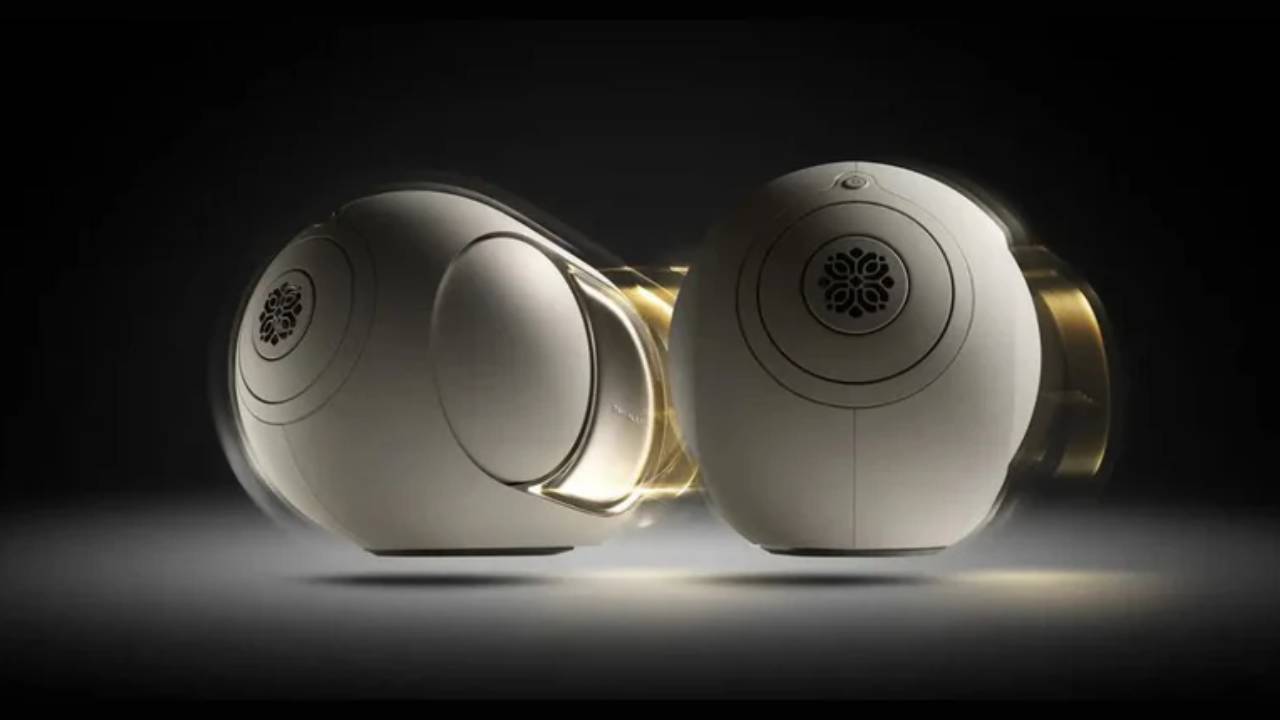
Launched in September 2025, the Phantom Ultimate comes in two configurations: the flagship 108dB model at $3,800 and the compact 98dB at $1,900. The flagship delivers 1,100 watts of amplification across a frequency range of 14Hz to 35kHz, powered by Devialet's proprietary ADH (Analog Digital Hybrid) amplification technology, which combines the warmth of Class A analog with the efficiency of Class D digital. The number that matters: 14Hz. Human hearing begins at 20Hz. Devialet is reproducing subsonic frequencies that you feel in your chest rather than hear.
Devialet has also produced a Phantom Ultimate Opéra de Paris edition, where 22-carat gold leaf is applied by hand to each speaker using the feuille perdue technique by Ateliers Gohard — the same workshop that restores the Palais Garnier. This is the Tier 1 version: engineering from Tier 2, materials from Tier 1.
Bang & Olufsen Beolab 90
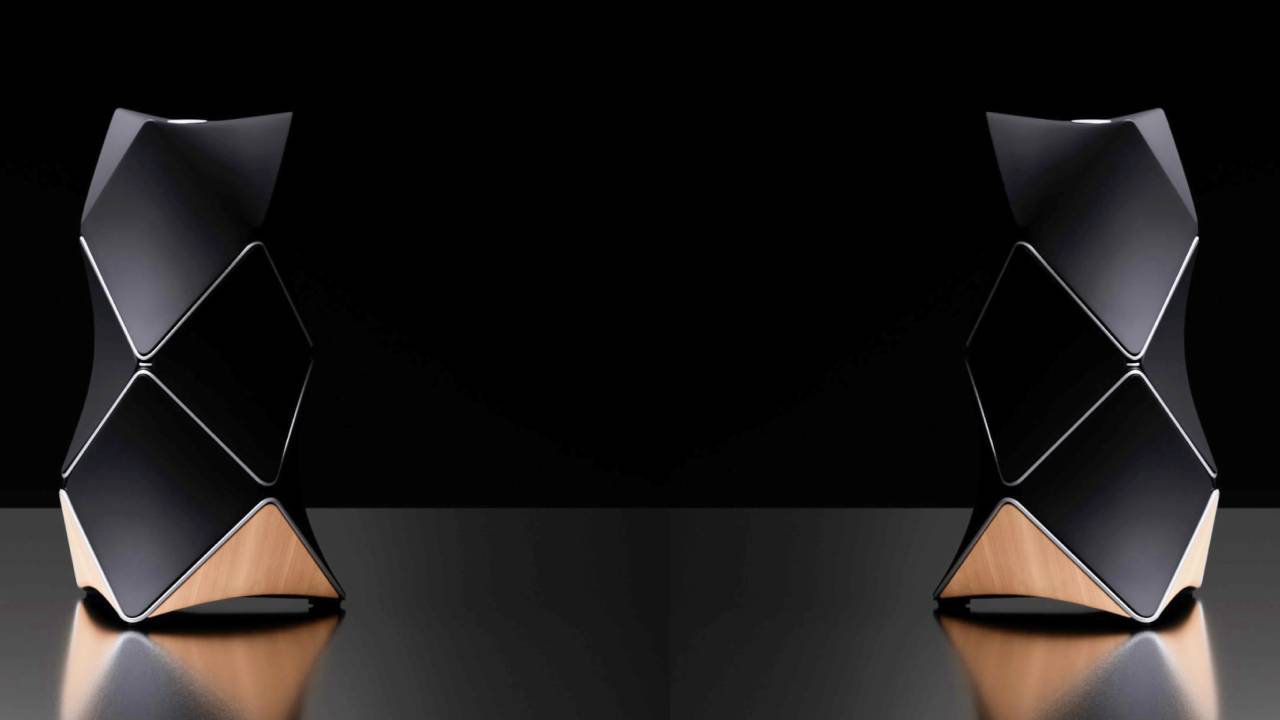
B&O's centenary year has produced the most extraordinary speaker releases in the brand's 100-year history. The standard Beolab 90 debuted in 2015 at roughly $78,000, increased to $135,000 in 2023, and now sits at $211,800 per pair in 2025. Each tower packs 8,200 watts of power split across 18 premium drivers — seven 1-inch tweeters, seven 4.5-inch mid-range units, three 10-inch woofers, and one 13-inch front woofer — all controlled by 14 channels of ICEpower amplifiers. The Beolab 90 includes beam-forming technology and Active Room Compensation that analyses your acoustic environment and adjusts in real time. For those who first encountered Bang & Olufsen's philosophy of fusing luxury with technology, our piece on the Beosound Level speakers by Bang & Olufsen — a perfect confluence of luxury and technology traces the same design DNA that makes the Beolab 90 what it is.
For B&O's centenary, the brand released five Atelier Edition variants. The most recent — the Monarch and Zenith Editions — are estimated at $520,000 per pair (£410,000 / €480,000), limited to 10 pairs each, with buyers receiving a certificate of authenticity and a miniature aluminium sculpture of the speaker in matching finish. At ₹44 crore (estimated, before India import duties), the Monarch and Zenith have exited the gadget category entirely. They are functional sculpture with a sound system inside.
Sennheiser HE 1 (Orpheus)
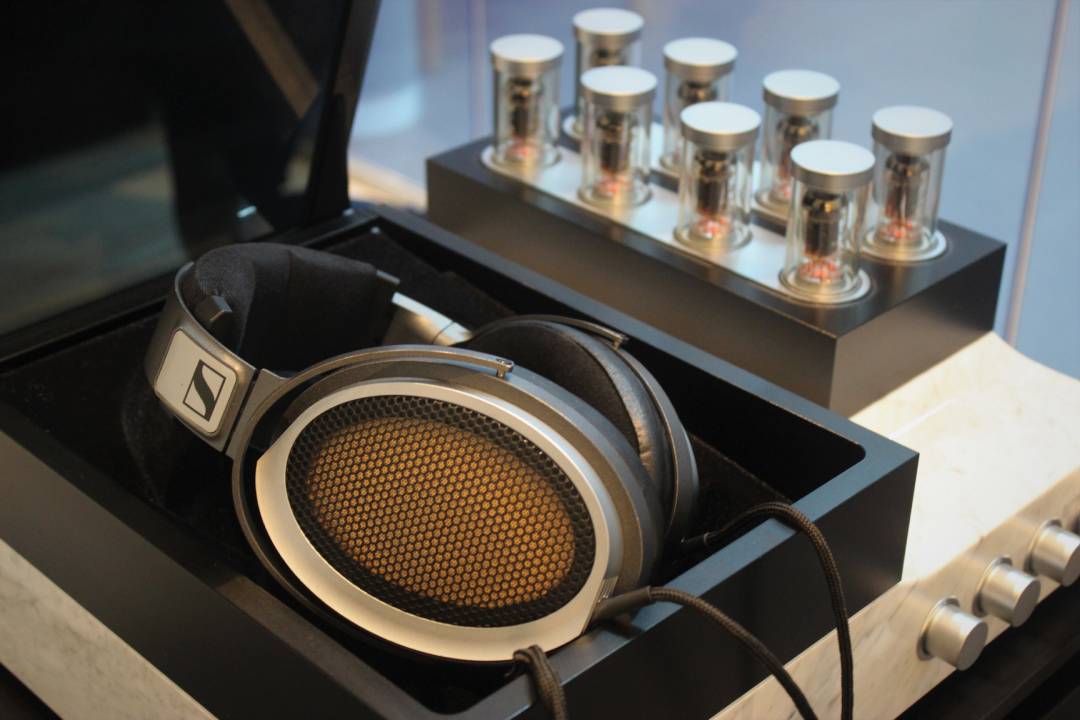
The HE-1 is the successor to the original Orpheus HE-90, a headphone released some 30 years ago as a true no-compromises design. The HE-1 arrives at more than triple the original's price, at $59,000, using more luxurious materials and modern engineering. The system — not just headphones but an integrated amplifier system using electrostatic drivers and a valve-based amplification stage built into a carved Carrara marble chassis — has no functional equivalent at any lower price. This is the audiophile equivalent of a grand piano. In India, the HE 1 is not officially distributed. Private import, factoring audio equipment BCD of approximately 15% plus surcharge plus 18% IGST, lands the system at approximately ₹68–72 lakh.
Precision Imaging: The Leica vs. Hasselblad Question
Both brands serve a buyer who has moved past camera-as-specification-sheet into camera-as-instrument-of-intention. The question is which intention.
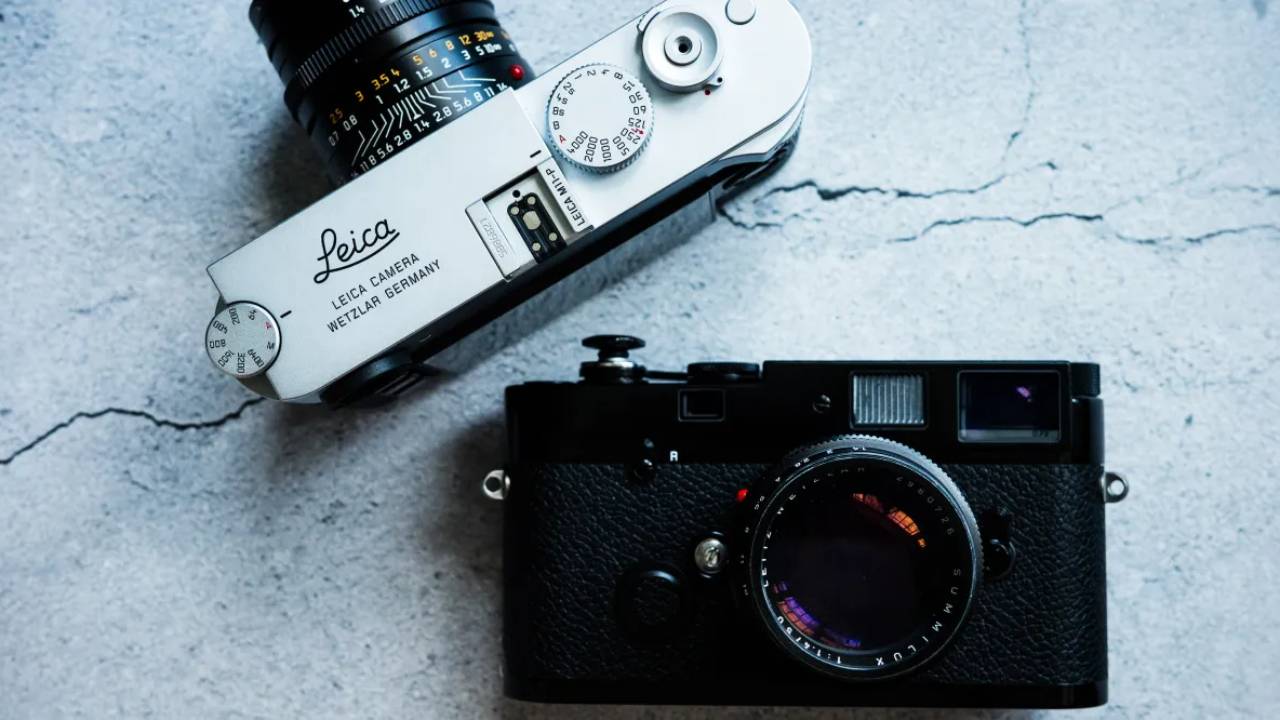
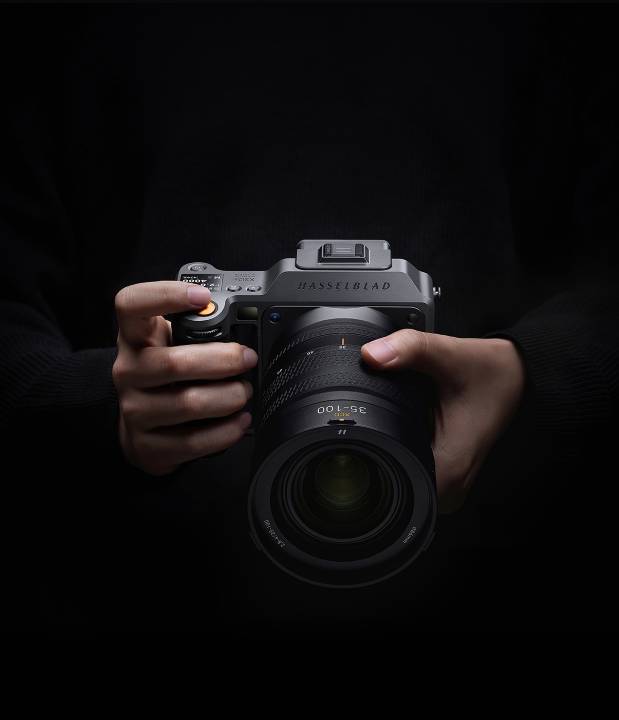
The Leica M11-P is priced at $9,840, while the newer Hasselblad X2D II — launched August 2025 with a 100MP medium format sensor — comes in at $7,399, making it approximately $2,500 cheaper than the Leica M11 family despite offering a larger sensor. The Leica M11 uses a 60MP full-frame CMOS sensor and the legendary M-mount lens ecosystem. It is manual focus only, using a rangefinder — making it a deliberate, slower-paced photography instrument. The Hasselblad X2D II brings 100MP medium-format image quality, autofocus, a 1TB internal SSD, and a tilting touchscreen.
The honest comparison: the Hasselblad is the superior technical imaging platform by most measurable criteria. The Leica is purchased by photographers who find that constraint produces better work — or who value the decades of M-mount lens compatibility, the ability to use Leitz glass from the 1960s on a contemporary digital body. In India, a Leica M11-P at $9,840 attracts approximately 30% total import duty, landing at approximately ₹10.9 lakh. The Hasselblad X2D II at $7,399 arrives at approximately ₹8.2 lakh through the same channel. A complete Leica system — body plus two Summicron lenses — comfortably exceeds ₹20 lakh landed in India.
The Luxury Wearable: Between a Smartwatch and a Statement Piece
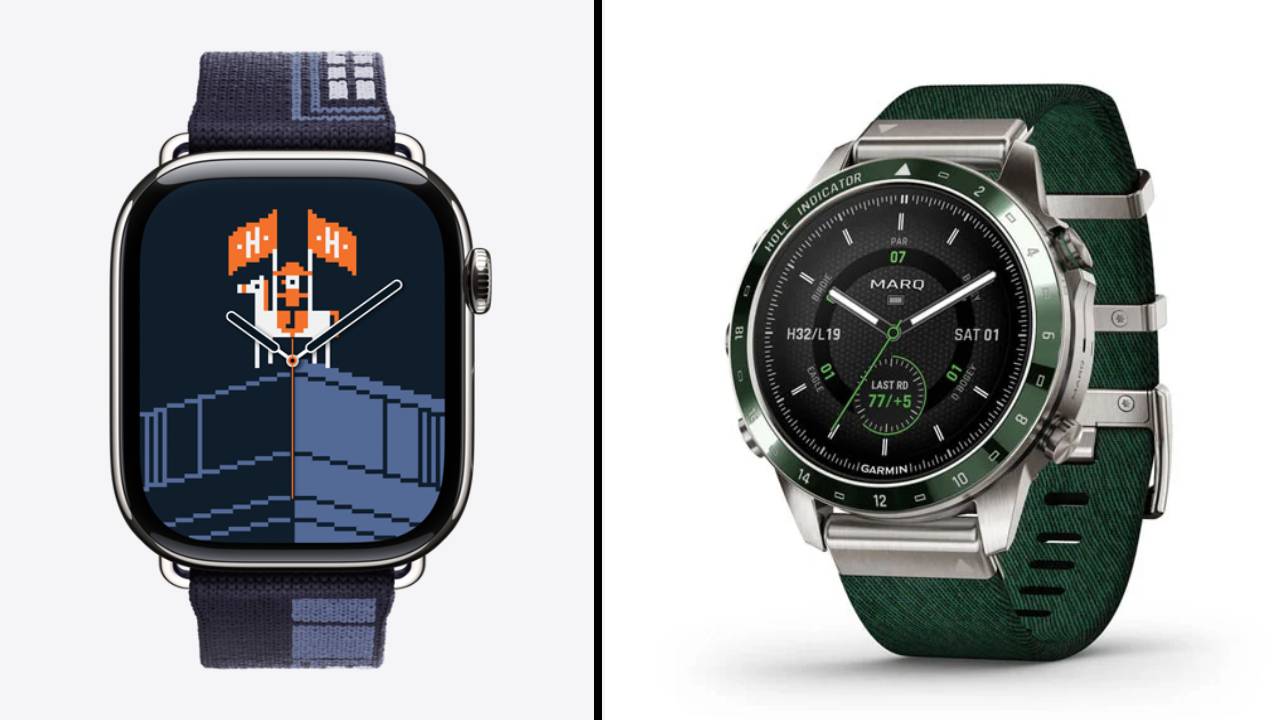
The Apple Watch Hermès Ultra represents Tier 3 — brand premium on functional hardware. The underlying watch is identical to any Ultra 3. The Garmin MARQ series occupies more interesting territory. The MARQ Carbon Collection uses Grade-5 titanium, domed sapphire glass, and ceramic bezels across its five models. The Damascus Steel Edition of the MARQ Adventurer deserves specific attention — each case is individually machined from Damascus steel, meaning no two watches are identical. This is the one wearable in the category where "bespoke" is not a marketing word. In India, smartwatches attract 20% BCD — the same as smartphones — making the MARQ Carbon approximately ₹3.65–3.95 lakh landed. For a broader view of why India has become such an important market for premium timepieces, our analysis of why India is a lucrative market for premium watches maps the structural forces at play.
The intersection of technology and luxury wearables is also entering new territory. The Jewelex and Ultrahuman Rare Collection — the world's first luxury smart ring — demonstrates how Indian brands are now pushing the frontier between fine jewellery and biometric technology, a convergence that is creating entirely new entry points in this market.
Smart Home Infrastructure: The Category No Publication Covers Properly
The most significant luxury technology spend among India's ultra-wealthy is one that appears in no gadget roundup: integrated home automation infrastructure. A Crestron or Savant whole-home control system — covering AV, lighting, climate, security, and access — typically runs ₹80 lakh to ₹4 crore for a large duplex or penthouse in Worli or Golf Links, depending on the number of control points, the quality of touchpanels, and the integration scope. Savant's 8K projector-based home cinema rooms alone range from ₹35 lakh to ₹1.2 crore installed.
These numbers never appear in gadget guides because they are not retail products. They are professional specifications, sold through certified integrators who design, install, and maintain them under service contracts. The "gadget" is the whole room. For the luxury home context within which these systems are being specified — the Worli penthouses and Golf Links bungalows where ₹1.5 crore home automation systems are now standard specifications — our report on why luxury home decor and furnishing brands are witnessing a rise in India maps the broader renovation and interiors economy that home automation sits within. This is where UHNW buyers in India are actually spending technology budget at scale.
Shadow Price Table: What These Actually Cost in India (2026)
Exchange rate basis: 1 USD ≈ ₹85.5 (approximate). Import duty structure: BCD + Social Welfare Surcharge (10% of BCD) + IGST 18%. Rates vary by HS code. Estimates only — consult a licensed customs broker for specific clearance.
| Product | USD MSRP | Base INR (approx.) | Effective Duty | Landed Cost INR | Grey Market INR (est.) |
|---|---|---|---|---|---|
| Caviar iPhone 16 Pro Max (full gold) | $142,990 | ₹1.22 Cr | ~44% (smartphones) | ₹1.76 Cr | ₹1.35–1.45 Cr |
| Vertu METAVERTU II (top config) | $25,310 | ₹21.6 L | ~44% | ₹31.1 L | ₹24–26 L |
| Devialet Phantom Ultimate 108dB | $3,800 | ₹3.25 L | ~35% (audio) | ₹4.39 L | Not typical grey market item |
| Bang & Olufsen Beolab 90 (standard) | $211,800 | ₹1.81 Cr | ~35% | ₹2.44 Cr | N/A — official channel only |
| B&O Beolab 90 Zenith Edition | ~$520,000 (est.) | ~₹4.45 Cr | ~35% | ~₹6.00 Cr | N/A |
| Sennheiser HE 1 (Orpheus) | $59,000 | ₹50.4 L | ~38% (audio/amplifier) | ~₹69.6 L | Rare, informal only |
| Leica M11-P (body) | $9,840 | ₹8.41 L | ~30% (cameras) | ₹10.93 L | ₹9.5–10 L |
| Hasselblad X2D II (body) | $7,399 | ₹6.33 L | ~30% | ₹8.23 L | ₹7.5–8 L |
| Garmin MARQ Carbon Collection | $2,950–$3,200 | ₹25.2–27.4 L | ~44% (smartwatches) | ₹36.3–39.4 L | ₹28–32 L |
Grey market note: India's ₹75,000 duty-free allowance (revised upward in 2026) covers almost nothing in this category. Items of this value require formal customs clearance on arrival.
The Intelligence Section: What This Market Is Actually Telling You
The most telling signal in the ultra-luxury gadget market in 2026 is where genuine engineering has separated itself from materials theater — and the gap is widening.
At the top of the audio category, Bang & Olufsen's Beolab 90 has tripled in price since 2015 — not because the engineering costs tripled, but because the brand has understood that scarcity and artistic identity command a premium that price-elastic buyers will pay. This is intelligent brand management, not inflation. The standard Beolab 90 at $211,800 is already exceptional. The $520,000 Monarch is the same speaker with a philosophy attached.
The smartphone category tells the opposite story. Caviar's $142,990 gold iPhone is a Tier 1 product pretending to be Tier 2. The moment a better iPhone releases — which Apple does annually — its status signal is diluted. Nobody's 2025 solid-gold phone is going to appreciate. For those who want to understand how Apple has built its empire of premium pricing even in the non-gold tier, our piece on Apple becoming the first US company to reach the $1.5 trillion milestone traces the business logic behind the most profitable consumer electronics company in history.
The camera category is the quiet exception. A Leica M-mount lens from 1970 is compatible with a 2026 Leica M11 body. No other technology category offers this backwards compatibility across six decades. A buyer spending ₹8–10 lakh on Leica glass today is, in a narrow but real sense, making a purchase that will outlast any other gadget in this guide.
For India's UHNIs specifically, the most rational luxury technology spend in 2026 remains home infrastructure — Crestron, Savant, and high-end acoustic room design — because it is permanently installed, tied to real estate value, and immune to the software obsolescence that eats consumer electronics. A ₹1.5 crore home automation and AV system in a Worli sea-view apartment does not become obsolete when the next iPhone launches. The buyers who understand this distinction are spending differently from those who do not. The former buy the room. The latter buy what sits on the table. For the real estate context within which these home systems are being installed, our report on ten strategic reasons India's ultra-wealthy are building ultra-luxury real estate empires explains why the home — not the gadget — is where serious capital is going.
FAQ
What is the true cost of importing ultra-luxury gadgets to India?
India levies a Basic Customs Duty (BCD) of 20% on smartphones and smartwatches, approximately 10–15% on audio equipment, and 10% on cameras and optical equipment. A Social Welfare Surcharge of 10% of BCD applies on top, followed by 18% IGST calculated on the cumulative value. The effective total duty burden ranges from 30% (cameras) to approximately 44% (smartphones, smartwatches) on the declared CIF value. A $25,000 Vertu smartphone with full legal import costs approximately ₹31 lakh in India, compared to ₹21.5 lakh at spot exchange. Buyers should engage a licensed customs house agent (CHA) before any import at these values.
Is Bang & Olufsen available in India and how much does the Beolab 90 cost?
Bang & Olufsen has authorised distributor presence in India through select dealers in Mumbai, Delhi, and Bengaluru. The standard Beolab 90 — priced at $211,800 per pair globally — translates to approximately ₹1.81 crore at base exchange before India import duties, and approximately ₹2.44 crore landed. The 2025–2026 Atelier Edition variants (Phantom, Mirage, Monarch, Zenith) are limited to 10 pairs each globally. The Zenith and Monarch editions are estimated at $520,000 per pair internationally — approximately ₹6 crore landed in India.
What is the most expensive gadget you can legitimately buy in India?
By official retail pricing, a Bang & Olufsen Beolab 90 Atelier Edition (Zenith or Monarch, approximately ₹6 crore landed) or a Sennheiser HE 1 Orpheus system (approximately ₹70 lakh landed) represent the apex of technology hardware available through formal channels. Above these, the market becomes bespoke — custom Crestron or Savant whole-home automation systems regularly exceed ₹2–4 crore for large residences.
Do luxury gadgets hold their value in India?
Consumer electronics — including luxury-branded gadgets — do not appreciate. Even Caviar-modified iPhones or premium Vertu phones depreciate as rapidly as standard electronics. The exception is certain Leica optics (M-mount lenses from the 1960s–1980s now trade above original retail price on the secondary market) and — to a lesser extent — limited edition audiophile hardware such as Sennheiser's HE 1. For a broader view of which luxury assets do and do not hold value, our analysis of why whisky is one of the best luxury investments in the world today provides a useful benchmark for what genuine asset-class appreciation looks like versus the depreciation curve of consumer electronics.
How does the grey market for luxury gadgets operate in India?
The grey market for high-value electronics in India operates primarily through underdeclaration of import value, splitting shipments across multiple informal couriers, and NRI personal imports that exploit the duty-free allowance through deliberate undervaluation. For buyers at the ultra-luxury level, the risk-reward calculus typically favours formal import: the customs saving on a ₹70 lakh Sennheiser system does not justify forfeit of manufacturer warranty and the legal exposure of underdeclaration. For how the TCS rules interact with high-value luxury imports and purchases, our piece on how the new TCS rule affects luxury purchases over Rs 10 lakh in India is essential regulatory context.
Which luxury gadget category offers the best functional justification for the price?
Audiophile hardware — specifically the Devialet Phantom Ultimate, Sennheiser HE 1, and Bang & Olufsen Beolab 90 — offers the most defensible functional premium over its alternatives. The sensory gap between a ₹15,000 Sonos speaker and a ₹4.4 lakh Devialet Phantom is genuinely audible and cannot be bridged at any lower price point. The same argument cannot be made for a gold-plated iPhone (which runs identical software to a standard model) or a luxury smartwatch (which tracks health metrics identically to its mid-market equivalent).


Comments
No comments yet.
Add Your Comment
Thank you, for commenting !!
Your comment is under moderation...
Keep reading luxury post