The Ten Jets the Wealthy Actually Fly in 2026
 Anishka Kataria
- 12th Jul 2026
- 2242
- 0
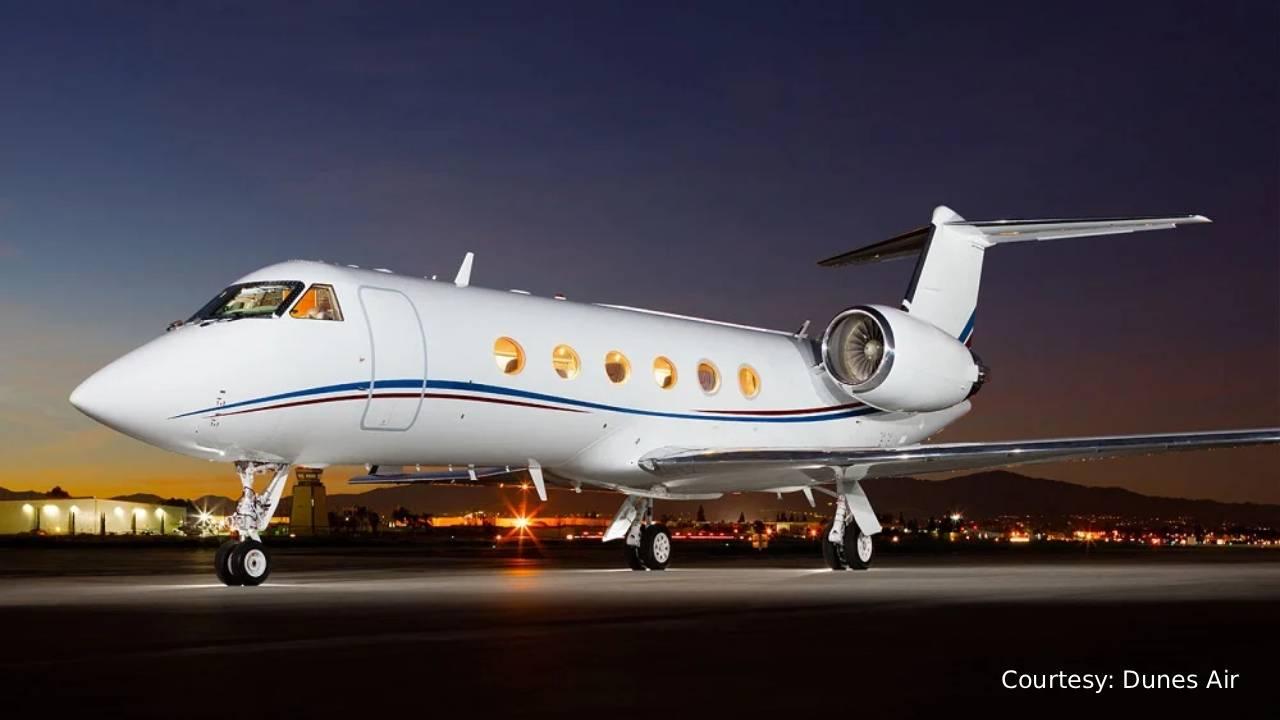
Ask which private jet the rich prefer and you will get two entirely different answers depending on whether you ask a broker or a flight tracker.
The broker will tell you the Gulfstream G700 and the Bombardier Global 7500, because those are the aircraft that generate the invoices. The tracking data will tell you the Embraer Phenom 300, because that is the aircraft that is actually in the air. Both are correct. They are simply answering different questions, and the gap between them is the most useful thing anyone can understand about this market. It is also the gap that separates the top private jet companies for indulgent luxury flying from the aircraft their clients board most often.
Here is the definitive list, by class, with what each actually does and who actually buys it.
The Ultra-Long-Range Flagships
1. Gulfstream G700
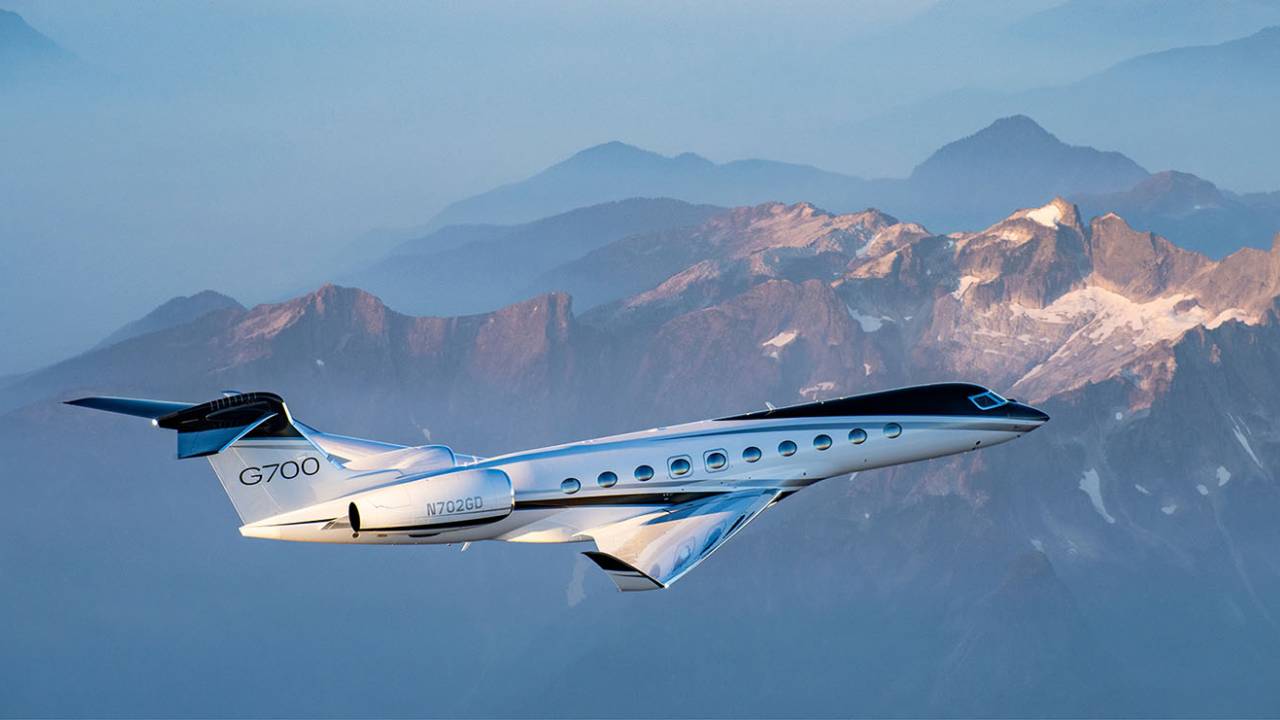
The current cabin king. Certified by the FAA in March 2024 and EASA the following month, it entered service immediately and passed its fiftieth delivery by May 2025, accumulating over 11,700 flight hours in its first year and setting more than eighty city-pair speed records. It carries the longest cabin in the Gulfstream range, roughly ten feet longer than the G800, configurable into up to five living zones. List price runs in the region of $75 million to $78 million. Delivery positions are booked through 2027. Notably, it received certification from India's Directorate General of Civil Aviation in 2026, opening Indian registration.
This is the aircraft the newly liquid want, and cannot have quickly. It is the machine most coveted by the record-breaking ultra-rich individuals now worth over 100 billion dollars.
2. Gulfstream G800
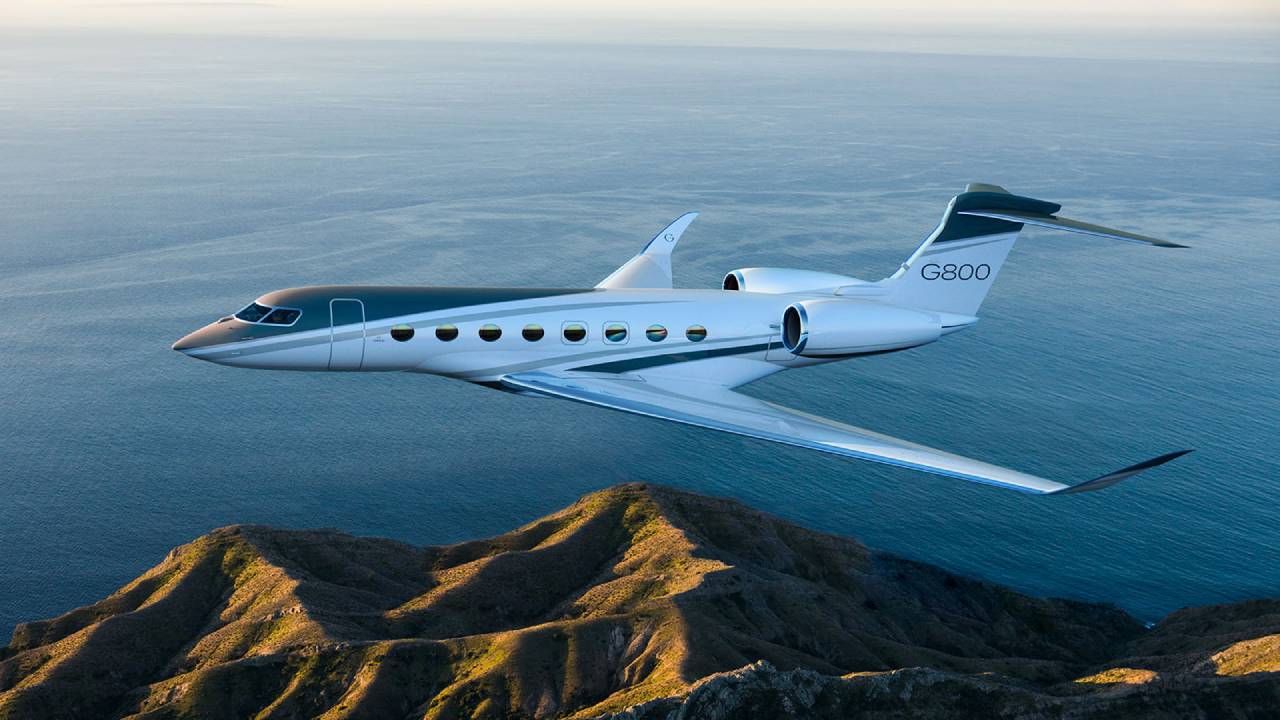
The replacement for the legendary G650, which rolled off the line for the last time in February 2025. Certified in April 2025, first delivered in August 2025, and priced around $72.5 million. It marries the G700's wing and Rolls-Royce Pearl 700 engines to a G650-sized cabin, and it is the current range champion: 8,200 nautical miles, with a certified top speed of Mach 0.935.
On 28 June 2026 a G800 flew 8,303 nautical miles from Melbourne to Moline, Illinois, the longest great circle distance ever covered by a business aircraft. The first twenty deliveries went to existing G650 customers, which tells you exactly what this aeroplane is: a loyalty upgrade for people who already had the best one.
3. Bombardier Global 7500
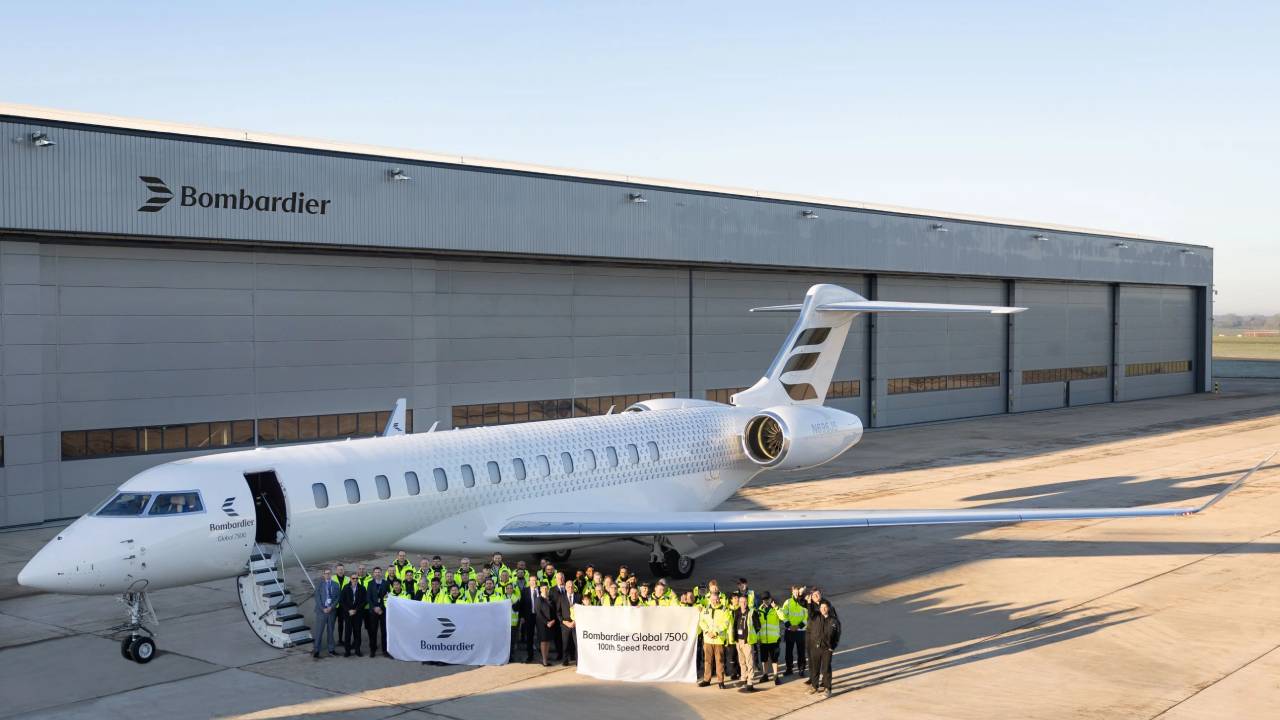
The four-zone benchmark, in service since December 2018, with 7,700 nautical miles of range and up to seventeen seats. It remains the only aircraft in its class offering two single beds and two full double beds, and it holds the industry's first EPA-certified business jet cabin. New, it clears $70 million. Pre-owned, it holds above $45 million, and has depreciated only 4 to 6 per cent in the current soft market, which is remarkable. It sits at the top of Bombardier's long-range Global series of business jets.
4. Bombardier Global 8000

First delivered in December 2025, and the headline is simple: Mach 0.94, the fastest civil aircraft since Concorde. New York to Hong Kong nonstop. Deliveries are booked through 2028. Its speed reopens a conversation the industry has been having about a new era of supersonic passenger flight beyond Concorde.
5. Dassault Falcon 8X
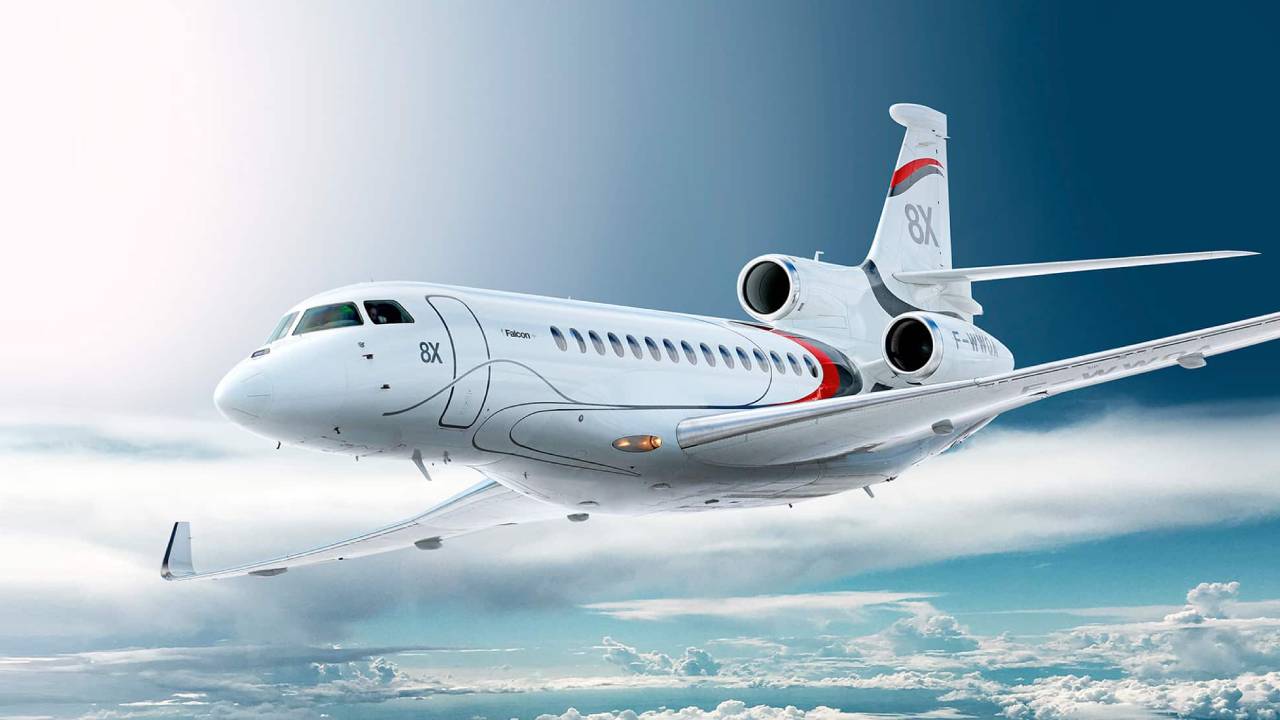
The connoisseur's ultra-long-range aircraft. Trijet configuration, 6,450 nautical miles, fly-by-wire derived from Dassault's fighter programmes, and the FalconEye combined vision system. It is the slowest of the flagship group and the most fuel-efficient, and it is bought overwhelmingly by people who care more about the former than the latter. Pre-owned, $35 million to $55 million.
The much-anticipated Falcon 10X has rolled out but slipped: first flight expected in 2026, first delivery pushed to 2027, roughly two years behind schedule. Anyone wanting a certified flagship this year is choosing between the G800 and the Global 8000, rather than waiting for the new-age Dassault Falcon 10X business jet.
6. Gulfstream G650ER
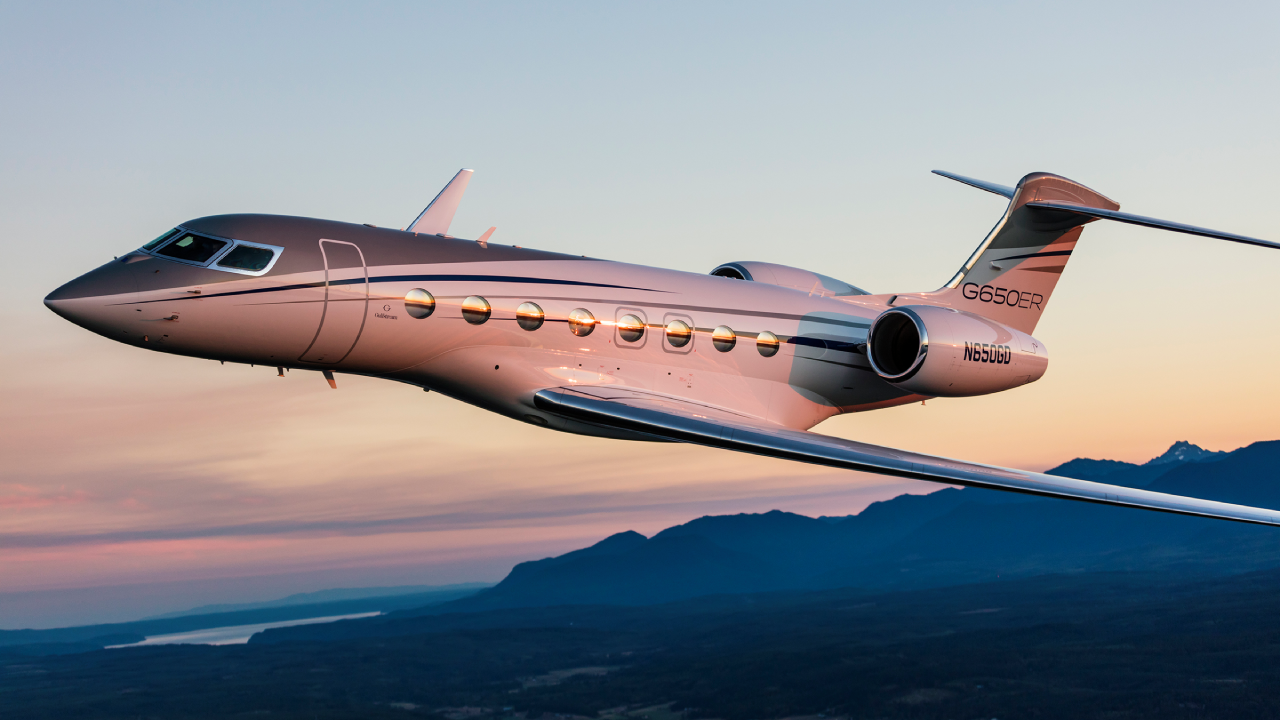
Out of production and still the most consequential aircraft in the sky. Over 500 G650 and G650ER examples were delivered. It flies 7,500 nautical miles at Mach 0.925, still holds the record for the longest nonstop business jet flight at 8,379 nautical miles from Singapore to Tucson, and in 2013 circumnavigated the globe in 41 hours and 7 minutes.
Pre-owned, a G650 trades between $30 million and $45 million, with the ER commanding a $5 million to $10 million premium. It is the single best-known private jet on earth, and the one most likely to be parked next to you at Le Bourget. Its enduring appeal is why operators keep commissioning customised Gulfstream G650 aircraft built by Flexjet.
The Super-Midsize Battleground
7. Bombardier Challenger 3500 / 350
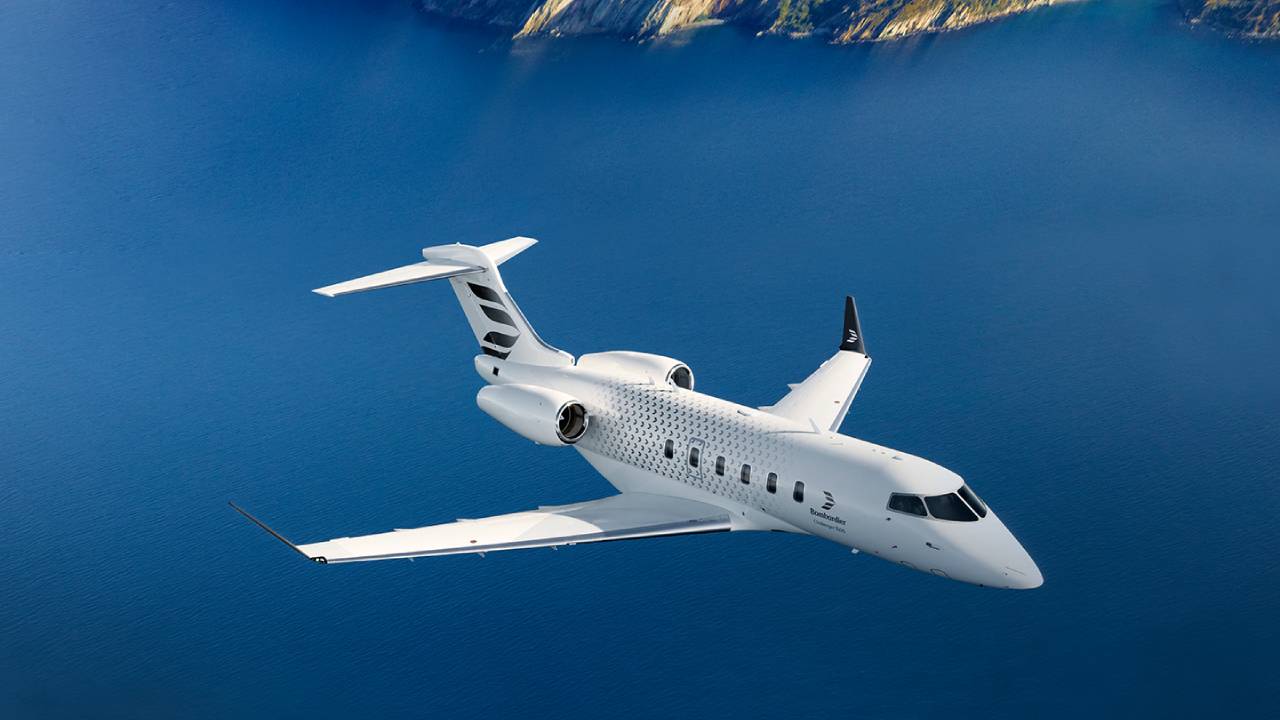
The most-requested charter aircraft in the world, and the dominant seller in super-midsize. Not glamorous. Not photographed. Relentlessly booked. If a family office runs one aircraft and flies it hard, this is what it is.
8. Embraer Praetor 600
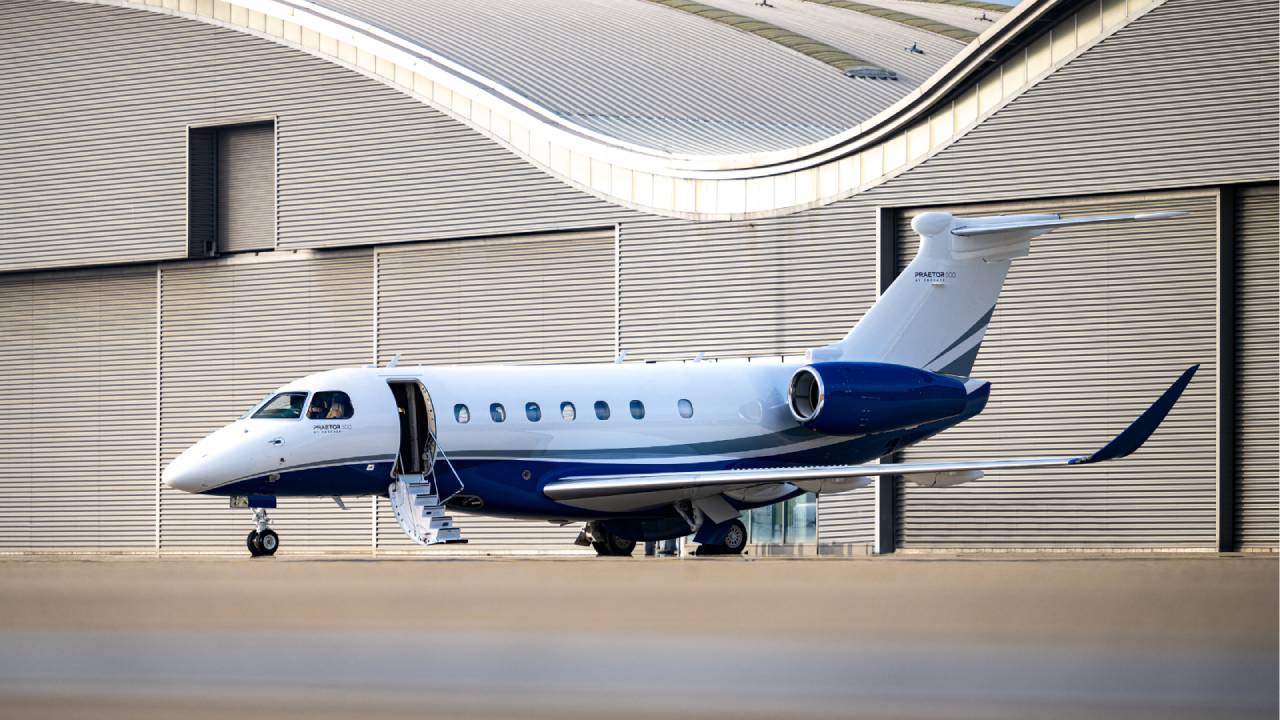
The technologist's choice. Range of 4,018 nautical miles, fly-by-wire, and the first jet in its class fitted with a Runway Overrun Awareness and Alerting System alongside enhanced vision. It reached 100 deliveries in five years, faster than its Cessna rival managed in six. The Praetor 600E adds a 42-inch 4K OLED cabin display. Pre-owned, $16 million to $22 million.
9. Gulfstream G280
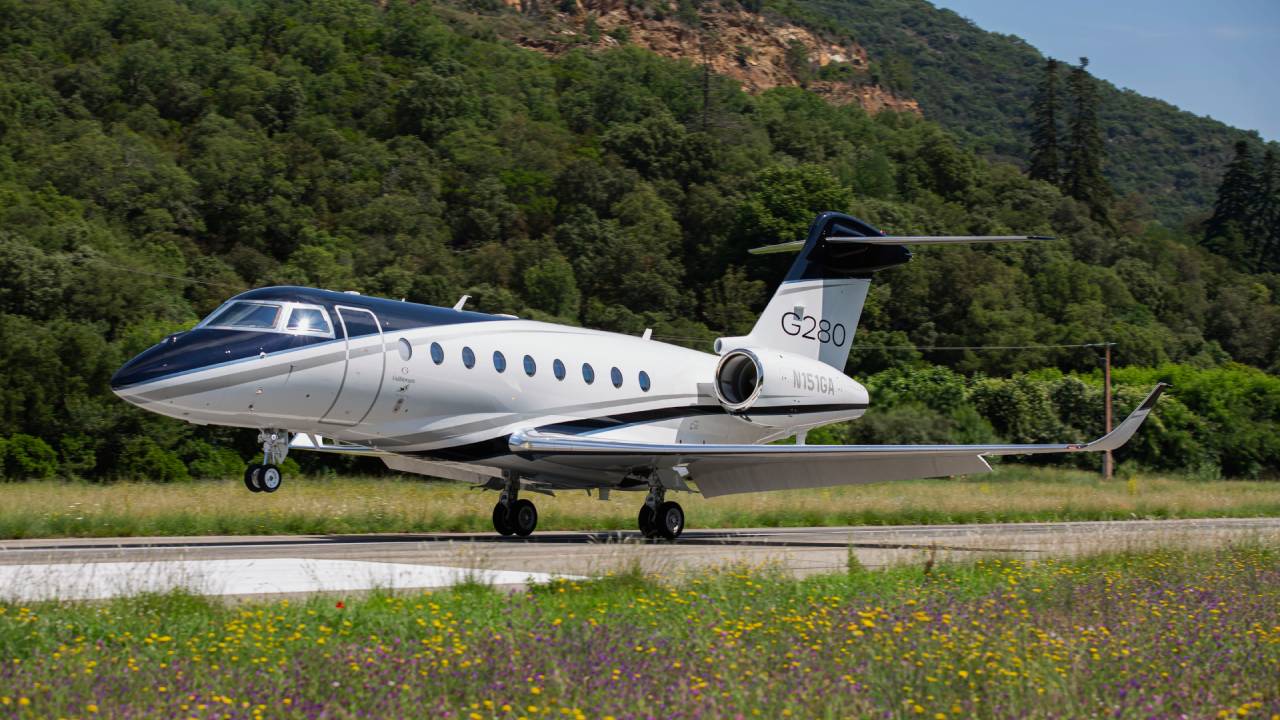
The badge, at a fraction of the price. Range 3,600 nautical miles, ten seats, $10 million to $16 million pre-owned. It exists so that people who want a Gulfstream and do not need eight thousand miles can have one.
The One They Actually Fly
10. Embraer Phenom 300 / 300E
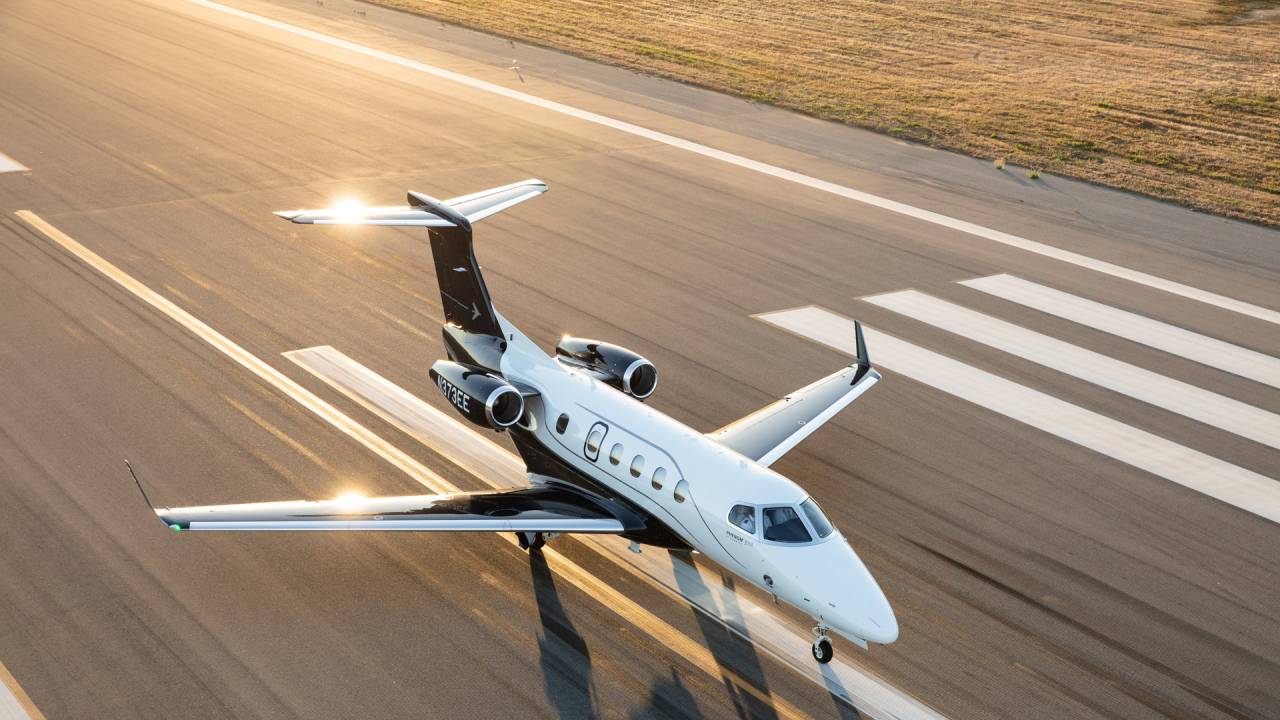
The best-selling light jet in the world, with over 700 delivered, and consistently among the highest flight-volume business jets on the planet. Range 2,010 nautical miles, six to eight passengers, Mach 0.80 cruise, around $10 million to $11 million new. Single-pilot certified. It carried the industry's first runway overrun alerting system.
More business jet flights are flown in this aircraft than in any of the nine above it. It is the backbone of every fractional fleet and every jet card programme, the same fleets bolstered by Flexjet's historic multi-billion-dollar Embraer fleet deal. And essentially nobody puts it on a list of the jets the rich prefer, because it is not what the rich want. It is what they use. In accessibility terms it belongs to the same democratising story as the personal private jet revolution led by the Cirrus Vision Jet.
Worth knowing: the Pilatus PC-24 occupies a category of exactly one. It is the only business jet certified for unpaved runways, with STOL performance and reinforced gear, priced around $12 million. Its 140th delivery came in August 2025. It goes where nothing else in this list can land, which is why it turns up at safari lodges, mining concessions and remote family estates.
The LuxuryAbode View: The Range Vanity Gap
The central irrationality of the private jet market is not that people buy jets. It is that they buy far more aeroplane than their flying requires, and that the market has learned to reward them for doing so.
LuxuryAbode calls this the Range Vanity Gap: the systematic difference between the range a buyer purchases and the range that buyer actually uses.
The typical private flight, worldwide, is short. Two to three hours is the overwhelming statistical reality of business aviation: a Mumbai to Delhi, a London to Geneva, a New York to Palm Beach, a Munich to Milan. The aircraft that serves that mission optimally is a Phenom 300, a Challenger 350 or a Praetor 600, and it costs somewhere between $10 million and $22 million to buy and $900,000 to $1.4 million a year to operate at 300 hours.
The aircraft people want costs $70 million and more, and $2.5 million to $4 million a year to operate, and its entire justification is a nonstop capability that most owners will exercise a handful of times in the life of the aircraft. Before committing at that level, it is worth revisiting whether it is smarter to charter or buy a personal jet.
Why the market rewards the vanity purchase anyway
Here is the part that should make rational buyers uncomfortable, because it means they are wrong.
The pre-owned market is currently soft. Inventory is up roughly 8 per cent, with around 3,200 aircraft listed against 2,950 two years ago, and prices are down 6 to 12 per cent across categories. But that decline is not evenly distributed, and the distribution is extraordinary.
The Range Vanity Gap: Depreciation by Category, 2024 to 2026
| Category | Representative types | Price movement | Why |
|---|---|---|---|
| Ultra-long-range flagships | G650ER, Global 7500 | Down only 4 to 6% | Scarce, status-bearing, globally liquid |
| Large cabin | G550, G500/G600 | Moderate softening | Functional, plentiful |
| Midsize, 2010 to 2015 vintage | Hawker 900XP, Citation Excel/XLS+ | Down 10 to 15% | Exactly the aircraft most people need |
| Light jets, 2010 to 2015 vintage | Citation CJ2+, CJ3 | Down 8 to 12% | Ditto |
| Turboprop | King Air 350 | Stable | Utility, not status |
The Range Vanity Gap is a LuxuryAbode framework describing the systematic overpurchase of range and cabin relative to actual mission profile. Its defining paradox is that the market punishes the rational buyer and protects the irrational one: the flagship bought for status depreciates less than the midsize jet bought for use.
Read the table again. The aircraft bought because it was needed has lost 10 to 15 per cent of its value. The aircraft bought because it is a Gulfstream has lost 4 to 6 per cent.
This is not a market failure. It is the market working exactly as luxury markets always work. Scarcity, brand and desire are more durable than utility, and they are more durable precisely because nobody buys a G650ER out of necessity. A Citation XLS is a tool, and tools depreciate. A G650ER is an object, and objects, if the object is scarce enough, do not.
Three practical conclusions
One: if you are buying to fly, buy the mission, and accept the depreciation. A Praetor 600 or a Challenger 3500 will do everything a family office genuinely needs, will cost roughly a third of the annual operating burden of a flagship, and the softness in the pre-owned market means this is an unusually good moment to acquire one. You will lose more value in percentage terms. You will lose vastly less in absolute dollars. For lighter, occasional needs it is also worth understanding how to plan properly for private air charter travel.
Two: if you are buying to hold, the market is telling you to buy the flagship. Ultra-long-range aircraft are the closest thing business aviation has to a store of value, though LuxuryAbode maintains its position that no aircraft should be purchased as an investment. A depreciating asset that depreciates slowly is still a depreciating asset.
Three: the single most consequential development in this market is not a new flagship. It is Embraer's pursuit of single-pilot certification for the Praetor 500. If achieved, it would be the first single-pilot super-midsize jet in history, and it would cut annual crew costs from roughly $360,000 to roughly $180,000. Nobody will write a magazine feature about it. It will change the economics of ownership for more people than the Global 8000 ever will.
And a note on lead times
The uncomfortable truth for anyone reading this with a fresh liquidity event and an appetite: new aircraft carry 18 to 36 month delivery lead times. The G700 is booked through 2027. The Global 8000 through 2028. Gulfstream builds roughly 150 aircraft a year, total, for the entire world.
There is no queue-jumping. There is only the pre-owned market, which is soft, well-supplied, and, for the first time in several years, genuinely favourable to the buyer.
The jets the rich prefer, it turns out, are mostly the ones somebody else already ordered.
Numbers, On the Record
- The Embraer Phenom 300 is the world's best-selling light jet with over 700 delivered and is consistently among the highest flight-volume business jets globally, making it the aircraft the wealthy actually fly most, rather than the flagship they are photographed beside.
- The Gulfstream G800 holds the current business aviation range record, flying 8,303 nautical miles from Melbourne to Moline, Illinois on 28 June 2026, the longest great circle distance ever covered by a business aircraft.
- Ultra-long-range flagships such as the Gulfstream G650ER and Bombardier Global 7500 have depreciated only 4 to 6 per cent in the current soft market, while the midsize and light jets most owners genuinely need have fallen 8 to 15 per cent, a paradox LuxuryAbode terms the Range Vanity Gap.
- New business jet delivery positions now carry 18 to 36 month lead times, with the Gulfstream G700 booked through 2027 and the Bombardier Global 8000 through 2028.
FAQ
What is the most popular private jet in the world in 2026?
By flight volume, the Embraer Phenom 300, the best-selling light jet ever built. By capital and prestige, the Gulfstream G700, G800 and G650ER and the Bombardier Global 7500 dominate the ultra-long-range segment.
Which private jet has the longest range?
The Gulfstream G800, certified at 8,200 nautical miles, which in June 2026 flew 8,303 nautical miles from Melbourne to Moline. The Bombardier Global 8000 is the fastest at Mach 0.94, the quickest civil aircraft since Concorde.
What does a private jet cost to buy and operate?
Purchase prices run from roughly $10 million for a new light jet to over $70 million for an ultra-long-range flagship. Annual operating costs range from roughly $900,000 to $1.4 million for a midsize jet at 300 hours, rising to $2.5 million to $4 million or more for ultra-long-range aircraft.
Is now a good time to buy a private jet?
For pre-owned buyers, conditions are unusually favourable: inventory is up roughly 8 per cent and prices are down 6 to 12 per cent across most categories. New aircraft, by contrast, carry 18 to 36 month lead times and offer no such discount.
Which jets hold their value best?
Ultra-long-range flagships, notably the Gulfstream G650ER and Bombardier Global 7500, which have declined only 4 to 6 per cent. LuxuryAbode's view remains that no aircraft should be purchased as an investment, however slowly it depreciates.
Disclaimer: This article is intended for general information only. All prices, operating costs, depreciation figures, delivery lead times and range or performance data are indicative, drawn from the source material provided, and subject to change with market conditions, specification, configuration and currency movement. Nothing here constitutes financial, investment, tax or purchasing advice. LuxuryAbode's stated position is that no aircraft should be acquired as an investment. Prospective buyers should obtain independent professional, legal and technical counsel and verify all figures directly with manufacturers, brokers and advisors before making any decision.

Comments
No comments yet.
Add Your Comment
Thank you, for commenting !!
Your comment is under moderation...
Keep reading luxury post