- Blog
- Chocolates
- NEWS
- India
Lindt CEO Exits as Luxury Chocolate Confronts Its Pricing Problem
 Namrata Parab
- 31st Oct 2026
- 1325
- 0
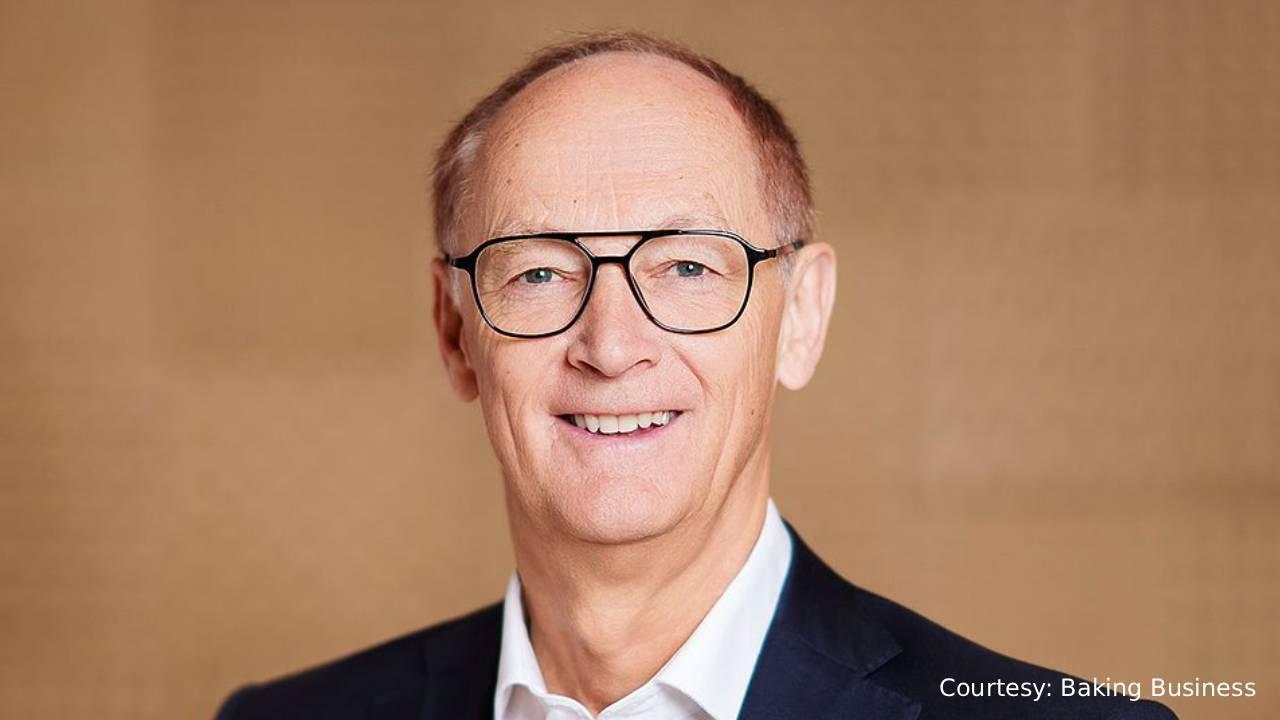
After 33 years at Lindt & Sprüngli, Adalbert Lechner departs amid weakening European demand and repeated sales forecast cuts. The leadership shake-up exposes a fundamental challenge for premium chocolate: how much will consumers pay for indulgence?
For more than a century, Swiss chocolate has represented a particularly persuasive proposition: exquisite craftsmanship, unmistakable packaging and the promise that a small indulgence can be worth considerably more than its ingredients.
Yet even the most established luxury brands can discover the limits of consumer loyalty when prices rise too far.
On 19 October 2026, Swiss premium chocolate maker Lindt & Sprüngli announced the departure of Group Chief Executive Officer Adalbert Lechner, bringing an end to a 33-year career with the company. Former chief executive Dieter Weisskopf, the group's vice-chairman, assumed the role of interim CEO immediately.
The company expects to appoint a permanent successor in the second quarter of 2027. Its board determined that fresh operational leadership was necessary to restore sustained growth across international markets.
The decision comes at a difficult moment for the maker of Lindor truffles, Excellence chocolate bars and its iconic gold-wrapped Easter bunnies, a brand many visitors know through the Lindt luxury chocolate museum tour.
High cocoa costs, aggressive retail price increases and weakening demand have converged to challenge a business historically associated with impressive pricing power.
The larger question is no longer whether premium chocolate deserves a higher price. It is whether even loyal consumers believe the latest increases are justified.
A Leadership Change After Two Forecast Cuts
Lechner became Group CEO in October 2022, succeeding Weisskopf, who had previously led Lindt & Sprüngli through a period of international development.
His departure follows a particularly challenging year in which the company reduced its organic sales growth expectations twice.
Lindt initially targeted organic sales growth of 6% to 8% for 2026. By September, its forecast had been lowered to just 0% to 2%, reflecting softer consumer demand and weaker purchasing volumes, particularly in German-speaking European markets.
| Lindt & Sprüngli 2026 guidance | Organic sales growth outlook |
|---|---|
| Initial outlook | 6% to 8% |
| September revision | 0% to 2% |
These are guidance ranges, not actual sales results. Source: Lindt & Sprüngli's 2026 company disclosures.
The deterioration is substantial. A company that entered the year anticipating healthy growth is now expecting little, if any, organic expansion.
Germany has emerged as a particularly difficult market, alongside Switzerland and Austria, where consumers have become increasingly resistant to higher chocolate prices.
To address regional performance, Lindt also announced changes to its European management team. Michal Spiller departed as CEO of Germany, with Ali Kulein moving from the Austrian business to succeed him, subject to the required approval. Fabian Reinhardt, previously head of global sales, assumed leadership of the Austrian operation, with the regional changes taking effect on 26 October.
The company's response therefore extends beyond the replacement of one executive. It represents a broader reassessment of operational leadership in some of its most important markets.
When Premium Pricing Becomes a Liability
For luxury businesses, pricing power is traditionally an indication of strength. Customers pay more because they associate a product with superior quality, desirability, heritage or craftsmanship, a pattern explained in the psychology behind why people buy luxury goods.
Lindt has spent decades cultivating precisely that distinction.
However, the economics of chocolate have become increasingly complicated.
The extraordinary rise in global cocoa costs beginning in 2024 placed substantial pressure on confectionery manufacturers. Lindt responded with higher prices, including an average increase of 11.8% during the first half of 2026.
The resulting decline in sales volumes revealed growing resistance among consumers.
On 24 October, Executive Chairman Ernst Tanner acknowledged that Lindt had misjudged consumers' willingness to accept price increases, particularly in Germany. The company has already reduced prices on selected products as it seeks to recover demand.
That admission is significant because premium chocolate occupies an unusual commercial position.
Unlike high jewellery or collectible watches, a box of fine chocolates is often an accessible luxury, a theme explored in whether affordable luxury is the new strategy for attracting price-conscious buyers. Its desirability depends on the perception that a relatively modest purchase delivers a disproportionately pleasurable experience.
Repeated price increases can undermine that relationship.
A consumer may continue to admire the brand while purchasing it less frequently, choosing a smaller pack or switching to an alternative product.
This creates a problem that even strong brand recognition cannot necessarily resolve.
The Return of Dieter Weisskopf
Lindt's decision to reinstate Weisskopf as interim chief executive indicates a preference for continuity and operational experience during a period of commercial uncertainty.
Weisskopf previously served as Group CEO until 2022 and subsequently remained closely involved with the company through its board.
His immediate priorities include restoring growth in Europe, supporting momentum in North America and Asia-Pacific, increasing investment in the group's brands and strengthening profitability.
The appointment gives Lindt an experienced executive familiar with its global operations while the board conducts a permanent leadership search.
However, restoring sales growth will require more than management changes.
Lindt must reconcile several competing objectives: maintaining its premium positioning, responding to consumer price sensitivity, protecting profitability and managing the volatility of cocoa costs.
The company's central challenge is to make premium chocolate feel worth purchasing again without allowing discounts to diminish the distinction on which its brand has been built.
The LuxuryAbode View: Premium Does Not Mean Unlimited Pricing Power
Lindt's leadership upheaval exposes what LuxuryAbode identifies as the Accessible Luxury Price Ceiling, the point at which an aspirational product becomes expensive enough for consumers to reconsider the frequency or necessity of purchasing it.
Unlike the market for haute horlogerie, rare gemstones or couture, premium confectionery depends heavily on repeat consumption. A chocolate brand can command a premium, but it cannot assume consumers will absorb successive price increases indefinitely.
The distinction is commercially important.
| Luxury category | Principal purchasing driver | Response to higher prices |
|---|---|---|
| Fine jewellery | Rarity, craftsmanship, enduring value | High prices can reinforce exclusivity |
| Luxury watches | Heritage, collectibility, desirability | Scarcity may support pricing power |
| Premium chocolate | Taste, gifting, everyday indulgence | Higher prices can reduce purchase frequency |
| Artisanal chocolate | Origin, craftsmanship, flavour discovery | Differentiation can justify a selective premium |
For Lindt, the immediate priority is to rebuild purchase volumes without sacrificing the brand equity accumulated over generations.
That may involve smaller pack sizes, more disciplined pricing, product innovation and renewed investment in brand desirability.
Its geographical performance also deserves attention. While established European markets have struggled, Lindt has highlighted stronger momentum across North America and selected Asia-Pacific markets.
For India, the situation presents an interesting contrast. The country's premium and dark chocolate segments are developing as urban consumers explore international brands alongside top Indian luxury chocolate brands and domestic bean-to-bar makers.
However, India should not be treated simply as a solution to weaker European demand. Its consumers are price-conscious in different ways, and emerging artisanal brands, including players such as Smoor and its luxury chocolate outlet expansion, compete through local flavour innovation, distinctive ingredients and provenance.
The larger opportunity lies in understanding how consumers define premium value, not merely how much more they can be persuaded to spend.
LuxuryAbode's central assessment is that Lindt's challenge is not a collapse of chocolate's desirability, but a breakdown in the relationship between pricing, perceived value and purchasing frequency.
This distinction will shape the priorities of the company's next chief executive.
What Happens Next?
Lindt & Sprüngli faces an important transition between now and the expected appointment of its permanent CEO in the second quarter of 2027.
The company has retained its 2026 operating-margin improvement target of 20 to 40 basis points despite lowering its sales outlook. It also continues to pursue its medium-term organic growth ambitions.
Restoring confidence will require evidence that consumers are returning, particularly in the European markets where pricing decisions have proved most consequential.
For global luxury brands, the lesson is relevant far beyond chocolate, as shown when Swiss luxury watchmakers sought state aid amid a market slowdown. Prestige can encourage customers to pay more, but perceived value remains essential, particularly when a product's appeal rests on regular indulgence rather than exceptional rarity.
Lindt's next chapter will test whether one of the world's most recognisable premium chocolate houses can regain commercial momentum without compromising the craftsmanship and desirability that made it successful.
In luxury, the ability to command a higher price is valuable. Knowing when not to raise it may be equally important.
Frequently Asked Questions
Why did Lindt CEO Adalbert Lechner leave?
Adalbert Lechner's departure was announced on 19 October 2026 after Lindt & Sprüngli experienced weaker European demand and twice reduced its annual growth forecast. The board concluded that new operational leadership was required.
Who is the new CEO of Lindt & Sprüngli?
Dieter Weisskopf, a former Group CEO and vice-chairman of the board, is serving as interim chief executive. Lindt expects to appoint a permanent successor in the second quarter of 2027.
Why are Lindt chocolate sales slowing?
Higher chocolate prices, cautious consumer spending and weaker sales volumes have affected the business, particularly in Germany, Switzerland and Austria. Unusually hot European weather also contributed to weaker demand.
How much has Lindt reduced its 2026 growth forecast?
Lindt began 2026 targeting organic sales growth of 6% to 8%. Its September revision reduced the outlook to 0% to 2%.
What does Lindt's leadership change mean for premium chocolate?
The transition highlights increasing pressure on premium confectionery companies to balance pricing power with affordability, product differentiation and repeat purchasing.

Comments
No comments yet.
Add Your Comment
Thank you, for commenting !!
Your comment is under moderation...
Keep reading luxury post