- Blog
- Chocolates
- NEWS
- India
India's Dark Chocolate Revolution: How a Taste for Bitterness Is Reshaping Luxury Indulgence
 Namrata Parab
- 31st Oct 2026
- 1355
- 0
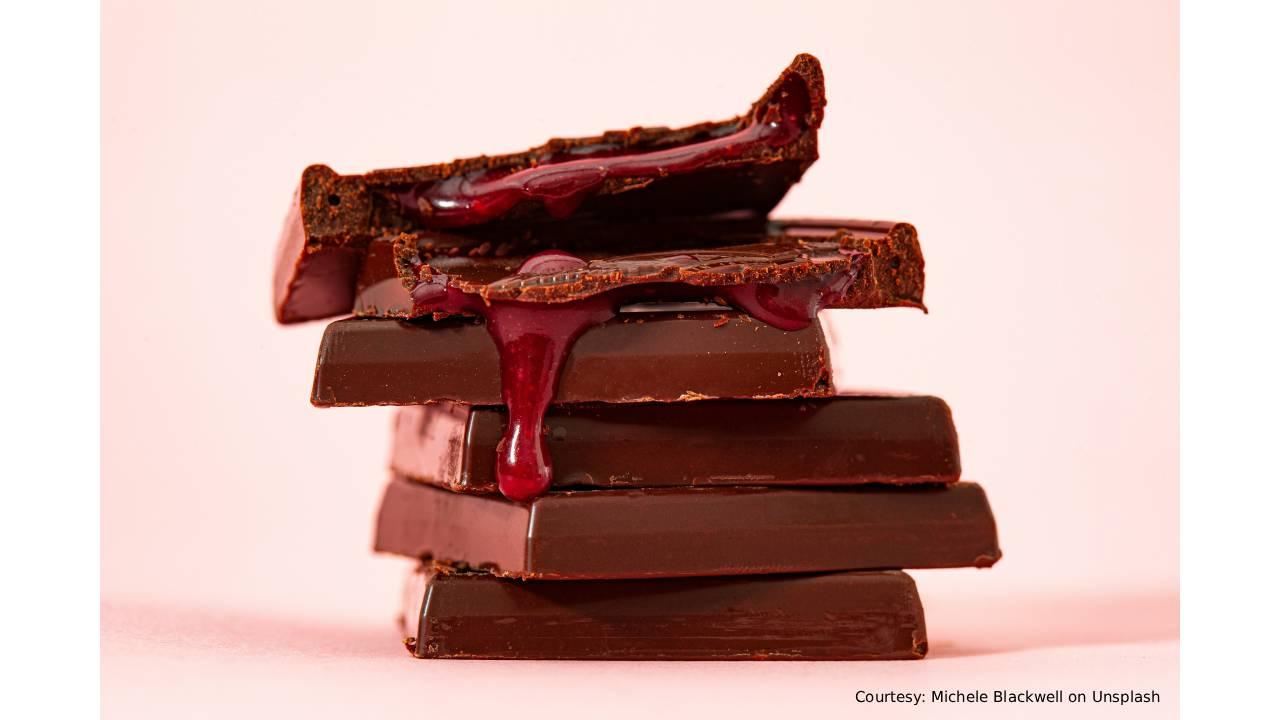
Indian consumers are moving beyond sweetness towards richer cocoa, single-origin craftsmanship and sophisticated flavours. A 45% surge in dark chocolate-buying households suggests that India's premium chocolate market is entering a new chapter.
For a country whose relationship with confectionery has traditionally been defined by sweetness, India's growing fascination with dark chocolate represents a remarkable evolution in taste. The appeal is no longer simply the pleasure of chocolate, but the complexity of cocoa itself: its bitterness, acidity, texture, provenance and lingering finish.
India's dark chocolate market is witnessing a significant acceleration. The number of Indian households purchasing dark chocolate increased by 45% in the year ended August 2026, following growth of 28.2% in 2024 and 11.3% in 2025. Household penetration has reached 8.5%, with urban consumers accounting for 87% of purchases for home consumption.
Behind these figures lies a larger transformation. Chocolate is beginning to follow the trajectory of speciality coffee, artisanal cheese and fine wine, evolving from a familiar everyday pleasure into a category where origin, craftsmanship and discernment influence purchasing decisions.
For luxury chocolatiers, premium food retailers and Indian cacao producers, the implications extend well beyond the confectionery aisle.
From Sweetness to Sophistication
Dark chocolate is gaining ground in India because consumers are increasingly willing to explore flavours that are less sweet and more cocoa-intensive.
A generation accustomed to international travel, speciality cafés and globally influenced dining has become more receptive to complex flavour profiles. The same consumer who appreciates an intensely roasted espresso, a distinctive Japanese whisky or an aged cheese may now find equal pleasure in a thoughtfully produced 70% dark chocolate bar.
The shift is particularly visible in metropolitan markets such as Mumbai, Bengaluru, Delhi and Hyderabad, where premium grocery retail, luxury hospitality and digital commerce have expanded access to specialist products, even as smaller cities redefine high-end shopping trends.
Dark chocolate's appeal also reflects changing perceptions of indulgence, part of the new luxury of experiences over hedonism. Rather than necessarily consuming more, some buyers are choosing products that promise a richer experience through quality ingredients, concentrated flavours and smaller portions.
Health awareness has contributed to the category's popularity, particularly interest in cocoa's naturally occurring flavanols. However, a high cocoa percentage does not automatically make a chocolate bar healthy. Sugar content, total calories, portion size and formulation remain important considerations.
The emerging consumer is interested not merely in chocolate that tastes good, but in chocolate that offers something worth discovering.
The Numbers Behind India's Dark Chocolate Appetite
| Reported indicator | Figure |
|---|---|
| Increase in dark chocolate-buying households in the year ended August 2026 | 45% |
| Household penetration of dark chocolate in India | 8.5% |
| Share of at-home dark chocolate purchases attributed to urban consumers | 87% |
| Reported dark chocolate growth rate relative to the overall chocolate category | 3.8× |
These are reported industry indicators for 2026. Household growth measures purchasing-household adoption, not sales-volume growth.
These numbers reveal both the opportunity and the limitation. Dark chocolate is expanding rapidly, yet more than nine in ten Indian households remain outside the category's measured purchasing base.
LuxuryAbode identifies this as an emerging premiumisation market rather than an established mass-consumption shift. Its future will depend on whether consumer curiosity translates into repeat purchases and sustained willingness to pay more for quality.
India's Homegrown Chocolatiers Are Changing the Conversation
One of the most compelling developments in India's premium chocolate movement is the emergence of brands that treat cacao as an agricultural and gastronomic ingredient rather than merely a raw material for confectionery.
International houses such as Lindt, whose heritage is explored in the Lindt luxury chocolate museum tour, have long helped define the language of fine chocolate. Increasingly, Indian producers are contributing their own interpretations, drawing on domestically grown cacao, distinctive flavour combinations and bean-to-bar production.
Among the names shaping this movement, alongside the top Indian luxury chocolate brands, are:
- Fabelle: The luxury chocolate offering from ITC, combining fine-chocolate craftsmanship, gifting collections and boutique retail experiences.
- Paul And Mike: A Kochi-headquartered maker working with Indian cacao and incorporating regional fruits, spices and other ingredients.
- Manam Chocolate: A craft chocolate house exploring Indian cacao through bars, confectionery, desserts and immersive retail.
- Mason & Co: An early participant in India's bean-to-bar movement, associated with careful cacao sourcing and artisanal production.
- Soklet: An estate-linked maker sourcing cacao from the Anamalai region of Tamil Nadu.
- Subko Cacao: A contemporary Indian cacao venture emphasising origin, flavour development and specialist chocolate experiences.
India's craft movement is building a recognisable identity around the country's growing regions, notably Kerala, Andhra Pradesh and Tamil Nadu.
The significance of this development is cultural as well as commercial. Indian cacao is no longer confined to being an anonymous ingredient within a finished product. It is increasingly presented as something with its own geography, agricultural character and flavour potential, while retail scale is growing through luxury chocolate company Smoor's outlet expansion.
For consumers accustomed to evaluating the terroir of wine or the origin of coffee, this offers a compelling new language of luxury.
Why Cocoa Percentage Is Becoming a Mark of Discernment
A chocolate bar labelled 70%, 80% or 90% cocoa communicates something different from the conventional promise of sweetness.
The percentage generally indicates the proportion of cocoa-derived ingredients in the formulation, including cocoa solids and cocoa butter. It does not, by itself, establish quality.
A beautifully balanced 65% bar can offer greater aromatic complexity than a poorly made 85% bar. Fermentation, roasting, conching, bean selection and ingredient quality all influence the final experience.
This distinction is increasingly important for premium chocolatiers seeking to educate consumers rather than compete simply through higher cocoa percentages.
Chocolate tasting can become an experience in its own right, as celebrated at CHOCOA, one of the biggest chocolate events in the world. A carefully crafted dark chocolate might reveal notes of red fruit, citrus, roasted nuts, caramel or earthiness, without those flavours necessarily being added to the recipe.
Such complexity gives specialist brands a credible foundation for premium pricing.
It also creates opportunities for tasting menus, chocolate and coffee pairings, private gifting experiences and collaborations with luxury hotels, such as the Le Royal Monceau Raffles Paris chocolate artistry.
Quick Commerce Is Bringing Premium Chocolate Into Everyday Life
Perhaps the most unexpected catalyst for India's premium chocolate movement is the convenience of rapid delivery.
Luxury confectionery once depended heavily on specialist stores such as The Chocolate Shop at Nariman Point, as well as airports, hotels and carefully planned gifting occasions. Today, digital retail is making premium chocolate accessible at the moment of desire.
Chocolate has become an increasingly important impulse category on quick-commerce platforms, including during late-evening purchasing periods. Digital distribution also allows consumers to discover products beyond the limited selection traditionally available in neighbourhood shops.
This changes the economics of indulgence.
A premium chocolate purchase need not be reserved for an anniversary, a corporate hamper or a festive occasion. It can become an accessible personal luxury, purchased for an evening at home, an intimate dinner or a small celebration.
For manufacturers, the opportunity is accompanied by an operational challenge. Premium chocolate requires careful attention to storage temperatures, transport conditions and packaging, particularly in India's warmer climates.
A sophisticated product delivered in poor condition can quickly undermine the brand experience.
The winners will therefore need to combine craftsmanship with reliable distribution.
The LuxuryAbode View: The Rise of the Cultivated Palate
India's dark chocolate boom illustrates an important principle in luxury consumption: sophistication does not always mean purchasing something more expensive. Sometimes it means learning to appreciate something more complex.
LuxuryAbode identifies three distinct stages in the evolution of India's premium chocolate market.
| Stage | Consumer behaviour | Opportunity for brands |
|---|---|---|
| Accessible Indulgence | Upgrading from conventional milk chocolate to premium dark variants | Higher-value bars and wider retail distribution |
| Cultivated Taste | Exploring cocoa percentages, origins and distinctive flavour notes | Single-origin collections and artisanal craftsmanship |
| Experiential Luxury | Seeking chocolate tastings, bespoke gifting and chef collaborations | Boutique experiences, limited editions and premium hospitality |
This framework, which LuxuryAbode calls the Cultivated Cocoa Ladder, distinguishes between consumers who simply spend more on chocolate and those whose purchasing decisions increasingly reflect knowledge, preference and connoisseurship.
The commercial implications are considerable.
Premiumisation gives manufacturers opportunities to strengthen margins through differentiated products, while speciality retailers can build customer loyalty through education and discovery. For hospitality groups, the relationship between chocolate and luxury hotels can become part of a broader luxury gastronomic experience rather than simply an accompaniment to dessert.
The investment community is also recognising the potential of craft chocolate. In June 2026, Hyderabad-based Manam Chocolate raised $9 million, approximately ₹77 crore at the exchange-rate equivalent reported for the transaction, in Series A financing to support expansion.
Meanwhile, Fabelle's official catalogue illustrates the pricing spectrum available to premium consumers, with a 64% Ghana cocoa dark chocolate bar listed at ₹575, an 84% intense dark bar at ₹575 and a Nav-Ras praline collection at ₹2,395. These are listed product prices, not representative averages for the market.
The opportunity for Indian makers is particularly attractive because they can combine locally sourced cacao, cultural storytelling and premium product design.
However, exclusivity alone is not enough. Brands must establish tangible distinctions in flavour, consistency, sourcing and craftsmanship to sustain premium pricing.
The next chapter in Indian chocolate will be shaped not merely by how much dark chocolate consumers purchase, but by how much they understand and value what they are buying.
What Comes Next for India's Luxury Chocolate Market?
India's dark chocolate market is positioned for continued experimentation, particularly in urban centres where consumers have greater access to specialty retail and premium dining.
Several developments merit attention. Bean-to-bar makers are likely to place increasing emphasis on cacao provenance and fermentation. Luxury hotels and restaurants have room to develop tasting-led chocolate experiences. Premium gifting houses, guided by luxury gifting ideas for the festive season, can explore collaborations with artists, chefs and designers, while mainstream chocolate manufacturers can introduce consumers to progressively higher cocoa intensities.
Nevertheless, dark chocolate remains a relatively small segment of India's confectionery landscape. Premium pricing, established preferences for sweeter chocolate and limited specialist distribution outside major urban centres remain constraints.
The most promising development is the emergence of a genuinely Indian identity in fine chocolate, one that draws on domestic cacao cultivation rather than depending entirely on established European traditions.
As this market matures, LuxuryAbode will continue examining the chocolate houses, culinary innovators and luxury brands redefining the experience of indulgence for a new generation of discerning consumers.
The future of Indian chocolate may be considerably less sweet, but infinitely more interesting.
Frequently Asked Questions
Why is dark chocolate becoming popular in India?
Growing exposure to international food trends, interest in more intense cocoa flavours, health-conscious purchasing and the increasing availability of premium products are supporting dark chocolate demand. Urban consumers currently account for the overwhelming majority of at-home purchases.
How fast is India's dark chocolate market growing?
The number of Indian households purchasing dark chocolate increased 45% in the year ended August 2026. Household penetration reached 8.5%, indicating substantial room for further adoption.
Which Indian brands specialise in premium chocolate?
Notable names include Fabelle, Manam Chocolate, Paul And Mike, Mason & Co, Soklet and Subko Cacao. Their approaches range from luxury pralines and gifting to Indian-origin bean-to-bar production.
Is 70% dark chocolate better than 85% dark chocolate?
Neither is automatically superior. Higher percentages generally mean a greater proportion of cocoa-derived ingredients, but flavour quality depends on bean selection, fermentation, roasting, formulation and craftsmanship.
Can Indian cacao compete in the global premium chocolate market?
Indian cacao has potential as a distinctive origin for fine chocolate. The development of specialist producers and greater attention to post-harvest processing are helping establish its identity, although consistent quality, traceability and international distribution remain important.


Comments
No comments yet.
Add Your Comment
Thank you, for commenting !!
Your comment is under moderation...
Keep reading luxury post