Hublot Classic Fusion Tributo Celebrates 1980 Original With Gold Precision
 Suhas
- 2nd Nov 2026
- 1181
- 0
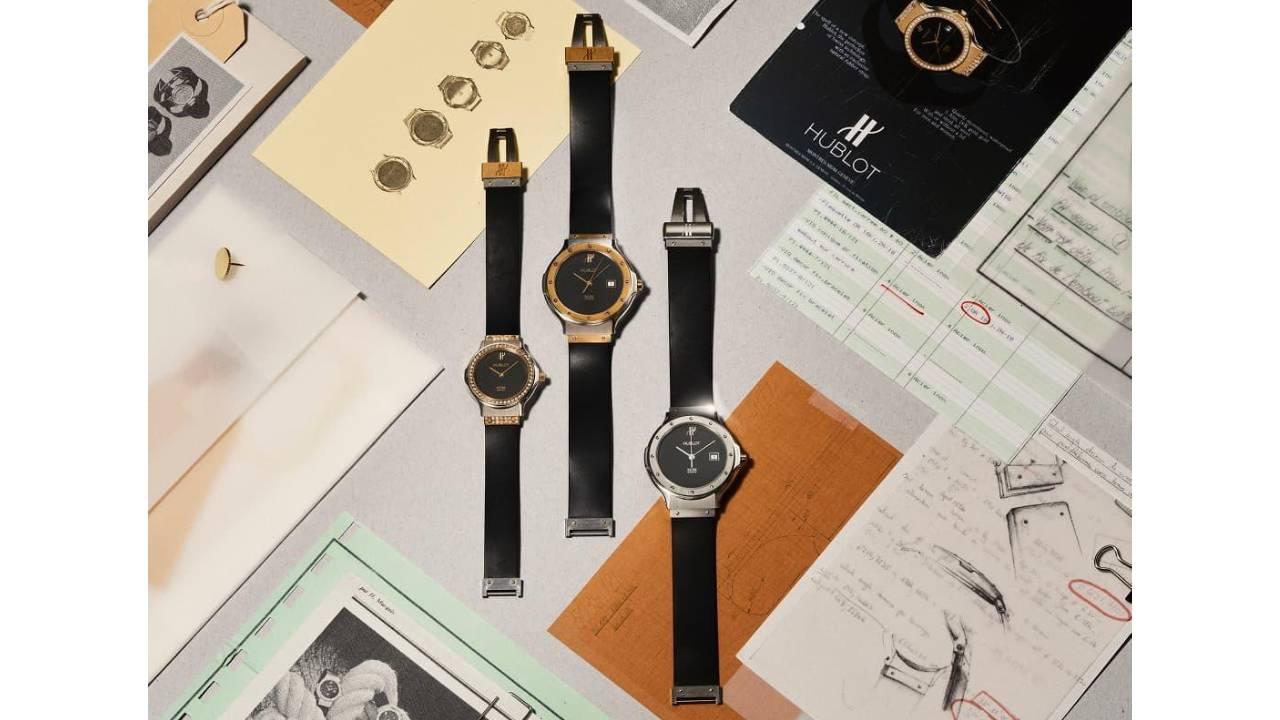
Nyon, Switzerland: The horological industry observes a significant technical pivot as Hublot releases the Classic Fusion Tributo, a mechanical evolution of its inaugural 1980 timepiece. By shifting from quartz technology to a proprietary self-winding movement, the manufacture signals its commitment to modern technical standards while preserving the aesthetic foundation of its earliest design.
Key Specifications of the Classic Fusion Tributo
The following metrics highlight the technical evolution of the collection from its historical predecessor to the 2026 edition.
| Metric | Specification |
|---|---|
| Case Diameter | 38 mm |
| Movement | Self-winding Manufacture |
| Power Reserve | Approx. 50 hours |
| Water Resistance | 100 meters |
| Philanthropic Donation | CHF 100,000 |
| Warranty Period | 10 years (5+5) |
Horological Evolution and Mechanical Integrity
Transitioning from the quartz-driven origins of the 1980 model, the Classic Fusion Tributo incorporates an internal self-winding calibre. This movement features an open-worked oscillating weight shaped to match the brand logo, visible through the sapphire caseback, which replaces the solid back of the initial releases. The upgrade reflects a broader industry movement toward mechanical authenticity in collections that draw upon deep brand archives.
The integration of a screw-down crown ensures a depth rating of 100 meters, significantly increasing the utility of the timepiece compared to earlier iterations. This technical advancement demonstrates that aesthetic fidelity to a design classic does not preclude the adoption of modern functional benchmarks, offering a tangible bridge between archival appeal and contemporary performance expectations, much like the commemorative anniversary timepiece designs seen in other heritage houses.
Refining the Material Language
The collection launches in two distinct precious metal finishes, each targeting a different collector profile. The yellow gold version mirrors the warm tones of the 1980 launch, utilizing a charcoal-effect lacquer dial. Conversely, the white gold variant adopts a monochromatic aesthetic with a polished black onyx dial and dark hardware, signaling a move toward subdued, formal elegance that aligns with current preferences in the luxury lifestyle segment for minimalist horology. Such refined material choices are increasingly common among designer brands worth investing in for their long-term aesthetic value.
This focus on material integrity mirrors the meticulous craftsmanship found in other sectors, such as the meticulous craftsmanship and design seen in high-end fashion collections.
Strategic Implications for the Brand
This release serves as a strategic realignment of the manufacturer’s core identity, bridging its early history with its current manufacturing capabilities in Nyon. By deliberately eschewing the recent One Click strap-changing system, the design team reinforces the original construction, confirming that certain segments of the collector base prioritize historical continuity over modern modular features. The decision underscores a tactical shift toward celebrating the brand’s origins as a catalyst for future collection development, a strategy often seen in luxury watch brand launches that aim to capture both new and legacy audiences.
This approach to brand identity is essential for maintaining relevance in a market where historic shifts in horological value are becoming more frequent.
Philanthropy and Institutional Legacy
Beyond product design, the release supports the Main Dans la Main Foundation, which receives CHF 100,000 to assist humanitarian efforts. This allocation highlights how heritage-focused releases are increasingly used by top-tier makers to link technical achievement with corporate social responsibility. Such initiatives strengthen the brand narrative by grounding technical innovation in institutional values that resonate with long-term collectors. This intersection of luxury and ethics is a growing trend, as seen in how luxury businesses and corporate social responsibility programs are now frequently integrated.
Conclusion
The Hublot Classic Fusion Tributo successfully reconciles the brand’s foundational aesthetic with the technical expectations of the modern horological collector. By balancing historical design cues with updated mechanical movements, the release positions itself as a benchmark for how heritage models should be reinterpreted in the current high-end sector. Future interest will focus on how this design trajectory influences subsequent anniversary editions.
Disclaimer: This article is based on publicly available information and is intended for informational purposes only. LuxuryAbode.com does not independently verify all facts and figures mentioned. Readers are advised to conduct their own due diligence before making any investment or business decisions based on this information. The content should not be construed as financial, legal, or professional advice.

Comments
No comments yet.
Add Your Comment
Thank you, for commenting !!
Your comment is under moderation...
Keep reading luxury post