BHV Marais Bankruptcy Filing Exposes Fragile Business Model Amidst Revenue Plunge
 Pradeep Dhuri
- 2nd Nov 2026
- 1199
- 0
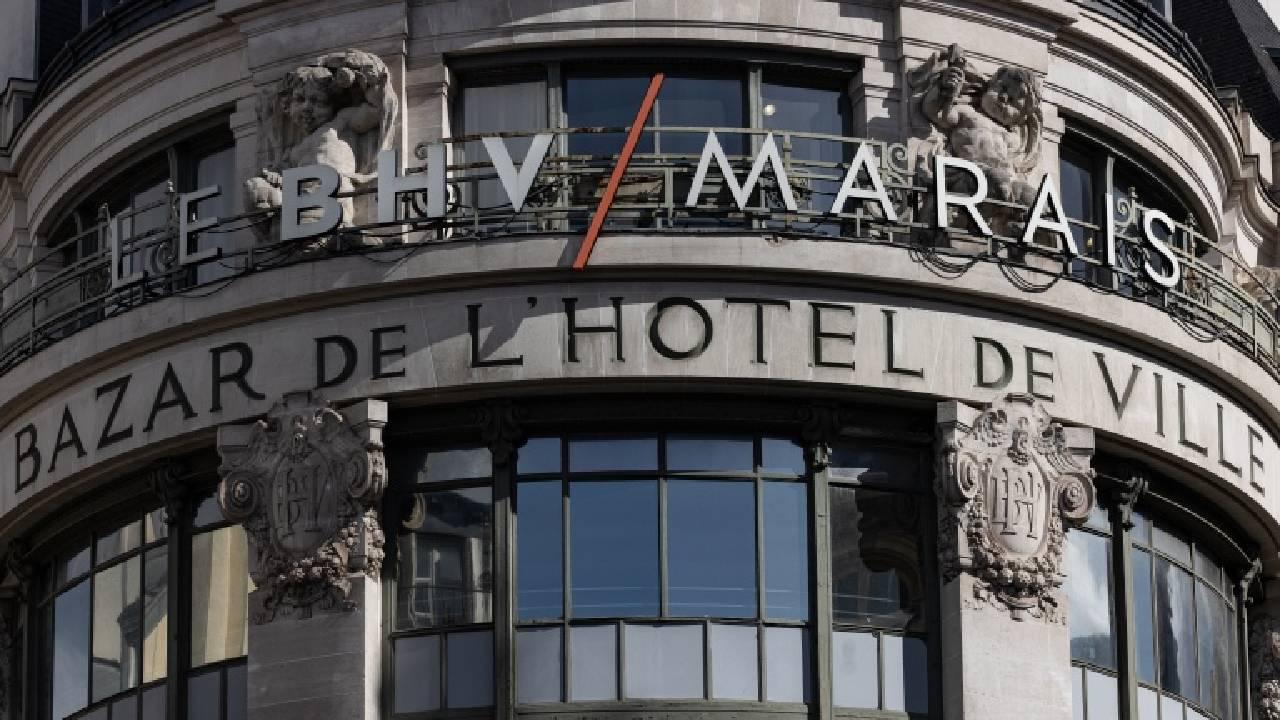
Paris: The historic BHV Marais has initiated court-supervised restructuring following a severe financial contraction, with annual revenue plummeting from €274 million in 2024 to just €21 million during the first eight months of 2026. This insolvency proceeding for the BHV Marais institution underscores the broader vulnerability of traditional department stores facing modern digital competition and operational inefficiencies.
Core Financial and Operational Metrics
The following data highlights the fiscal challenges facing the department store as it attempts to stabilize its operations.
| Metric | 2024–2026 Value |
|---|---|
| 2024 Annual Revenue | €274 million |
| 2025 Annual Revenue | €170 million |
| 2026 Revenue (Jan–Aug) | €21 million |
| Total Workforce at Risk | ~700 employees |
| Real Estate Ownership | Brookfield (since Jan 2026) |
Structural Vulnerability at BHV Marais
The decline of the retailer suggests that relying solely on heritage and physical presence is no longer a viable luxury retail strategy. By attempting to pivot toward high-volume, lower-margin partnerships—such as the collaboration with fast-fashion platforms—the establishment inadvertently diluted its brand equity and alienated its core customer base. This misstep highlights how quickly institutional trust can erode when a heritage brand abandons its curated identity for short-term foot traffic. The broader retail industry financial crisis has forced many historic names to reconsider their operational models.
Financial constraints are further compounded by complex property disputes with current landlords. While the separation of commercial operations from physical assets is common in high-end property, it requires total alignment between the tenant and owner to fund necessary renovations. When these incentives decouple, the resulting friction often prevents the capital investment required for essential modernization, a challenge often seen in global real estate markets during periods of economic volatility.
Market Implications for Urban Retail
The situation in Le Marais serves as a cautionary benchmark for other aging department stores across Europe. The inability to justify a physical footprint without a distinct, experiential value proposition indicates a wider shift in consumer behavior toward niche, specialty, and digitally integrated commerce. Most major urban retailers must now prove their relevance through services that cannot be replicated by international e-commerce platforms, much like the luxury social retail trends seen in other global hubs. Furthermore, the integration of digital fashion platform growth is becoming a prerequisite for survival in the modern luxury landscape.
Strategic Significance of Restructuring
Court-supervised proceedings offer a vital window for operational survival rather than immediate liquidation. The success of this turnaround hinges on the ability of the management team to win back supplier confidence and restore a sense of curation. For the local Parisian commerce ecosystem, the survival of this entity is critical, as it functions as an anchor for the surrounding neighborhood economy. Many brands are now looking at high street brand collaborations to maintain relevance in a shifting market.
Outlook for Sustainable Recovery
The path forward requires a transition toward a focused, home-goods-centric identity that leans into the store's historic DNA. If the leadership team successfully navigates the current legal challenges in the final quarter of 2026, they may establish a blueprint for other heritage stores struggling with legacy debt. Ultimately, the BHV Marais case confirms that size alone no longer protects a business from obsolescence in today’s competitive environment. As seen with iconic Italian luxury brands, maintaining a clear brand identity is essential for long-term endurance. Additionally, the shift toward sustainable luxury business models is increasingly influencing how heritage retailers approach their future growth.
Conclusion
The BHV Marais bankruptcy filing represents a pivotal moment for Paris's traditional retail sector as it grapples with deep-seated structural changes. Rebuilding trust with brands and consumers remains the most significant hurdle to ensuring long-term viability in an increasingly unforgiving commercial environment. Sustaining such a historic pillar necessitates more than just financial restructuring; it requires a radical realignment of the value proposition delivered to the contemporary shopper.
Disclaimer: This article is based on publicly available information and is intended for informational purposes only. LuxuryAbode.com does not independently verify all facts and figures mentioned. Readers are advised to conduct their own due diligence before making any investment or business decisions based on this information. The content should not be construed as financial, legal, or professional advice.


Comments
No comments yet.
Add Your Comment
Thank you, for commenting !!
Your comment is under moderation...
Keep reading luxury post