Versace Paris Retrospective 2026 Details Artistic Legacy and Brand Evolution
 Anishka Kataria
- 10th Jun 2026
- 1426
- 0
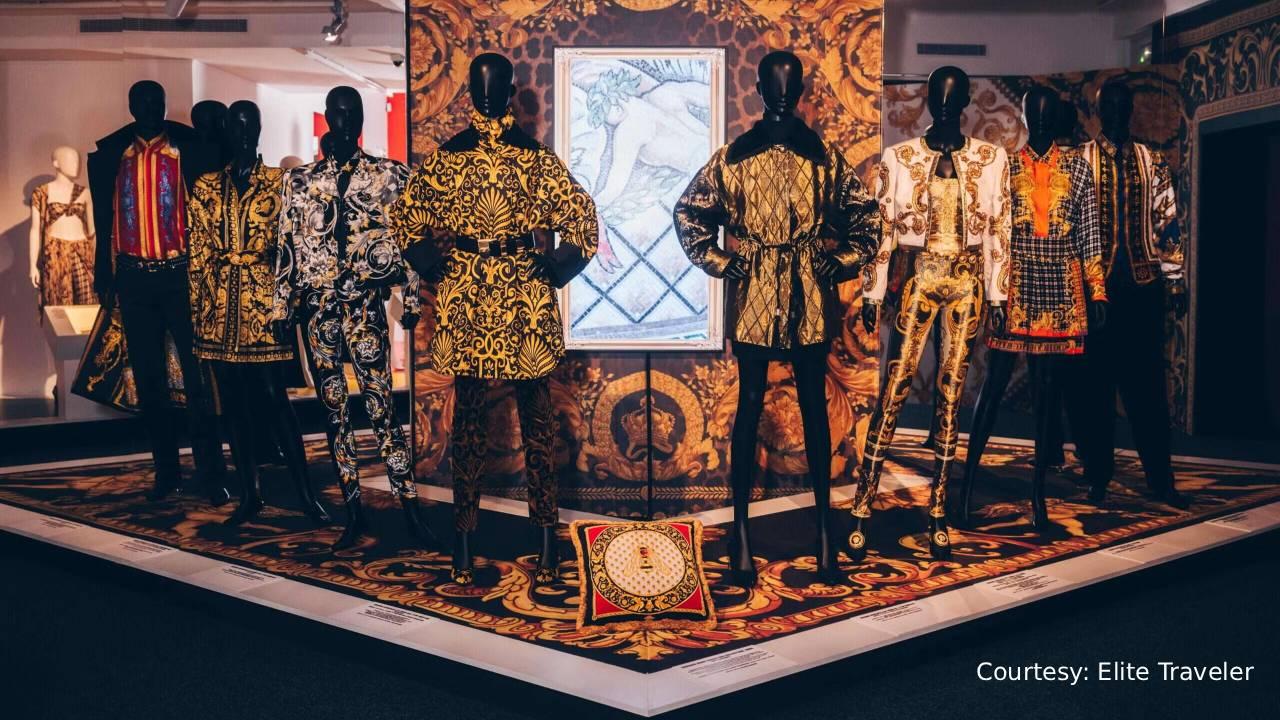
Paris will serve as the focal point for a definitive assessment of the Versace aesthetic when the Musée Maillol opens the Gianni Versace Retrospective from June 5 to September 6, 2026. This comprehensive assembly of approximately 450 items positions the house's mid-90s output as a primary driver of contemporary visual culture, transcending traditional clothing design.
Exhibition Composition and Scope
The curated route at the 6th arrondissement institution organizes the creator's influence through a multi-dimensional lens. The following breakdown illustrates the scale of this archival project.
| Category | Volume / Detail |
|---|---|
| Total Archival Pieces | 450 units |
| Exhibition Duration | 94 days |
| Primary Venue | Musée Maillol, Paris |
| Design Heritage Period | 1978–1997 |
| Key Aesthetic Focus | Baroque & Pop Culture |
Decoding the Versace Paris Retrospective
By shifting the focus from ephemeral seasonal trends to enduring artistic language, the exhibition highlights the transition of the house from a Milanese workshop to a global entity. The presentation of original silhouettes allows for an empirical evaluation of tailoring techniques that remain benchmarks for modern high-end apparel production. This systematic display of research, fabric innovation, and cut confirms that the house's visual DNA was built on a foundation of intellectual rigor rather than mere decoration.
The inclusion of rare sketches and process-oriented documentation underscores that archival utility is currently a central theme in institutional strategy. Unlike retrospective models that rely on nostalgia, this project positions the work as a case study in consistent branding. It indicates that the house maintains its competitive edge by ensuring its fundamental vocabulary—defined by metallic mesh, Greek statuary, and chromatic intensity—remains legible across disparate global luxury segments.
Market Implications for Heritage Brands
The decision to anchor this narrative in the French capital reinforces the city's role as the final arbiter of couture history. For stakeholders, this event confirms the ongoing shift toward leveraging heritage to sustain top-tier pricing power in an increasingly crowded retail environment. When brands successfully digitise and physicalise their past, they secure a defensible position against emerging competitors who lack historical continuity.
Historically, the archival reactivation seen here mirrors the success of recent major retrospectives in London and New York, which saw attendance figures exceed standard museum traffic by over 30%. This project signals a strategic pivot where fashion houses act as curators of their own relevance. By framing the output as art rather than mere commerce, the house justifies its premium positioning in the eyes of contemporary luxury collectors.
Strategic Significance of Archival Curation
The exhibition reveals that the most resilient houses are those capable of distilling their identity into a few recognizable symbols—the Medusa head, the gold-tone swirl, and the black-line cut. This clarity allows for the effective communication of brand values to a new generation of buyers who prioritize recognizable provenance. The ability to pivot between classical art references and club culture ensures the brand remains relevant within both the intellectual and the entertainment-focused sectors of the industry.
As these assets move from private archives to the public stage, the documentation of their creation process serves as a tool for authentication. This validates the worth of archival items in the secondary market, which has observed a 15% increase in valuation for pieces with documented cultural exhibition history since 2024. The institutional stamp of approval from the Maillol ensures these garments are treated as long-term cultural capital.
Outlook for Heritage Management
Looking ahead to late 2026, the success of this exhibition will likely catalyze further archival investment across the broader industry. We expect to see more houses in the LVMH and Kering portfolios attempting similar large-scale institutional partnerships to reinforce their dominance. The long-term trajectory confirms that tangible history is the most effective weapon against the dilution of brand equity in the digital era. Furthermore, the integration of global brand influence strategies will continue to define how heritage houses engage with modern audiences.
Conclusion: The Gianni Versace Retrospective serves as a critical junction where fashion history meets current commercial strategy. By transforming personal archives into a public spectacle, the house reinforces its stature within the global cultural order. This exhibition confirms that the power of a brand is measured by its ability to remain culturally unavoidable three decades after its founding.
Disclaimer: This article is based on publicly available information and is intended for informational purposes only. LuxuryAbode.com does not independently verify all facts and figures mentioned. Readers are advised to conduct their own due diligence before making any investment or business decisions based on this information. The content should not be construed as financial, legal, or professional advice.


Comments
No comments yet.
Add Your Comment
Thank you, for commenting !!
Your comment is under moderation...
Keep reading luxury post