The World's Richest King - Inside a Royal Fortune Built on Property, Power, and Scale
 Namrata Parab
- 1st Feb 2026
- 2019
- 0
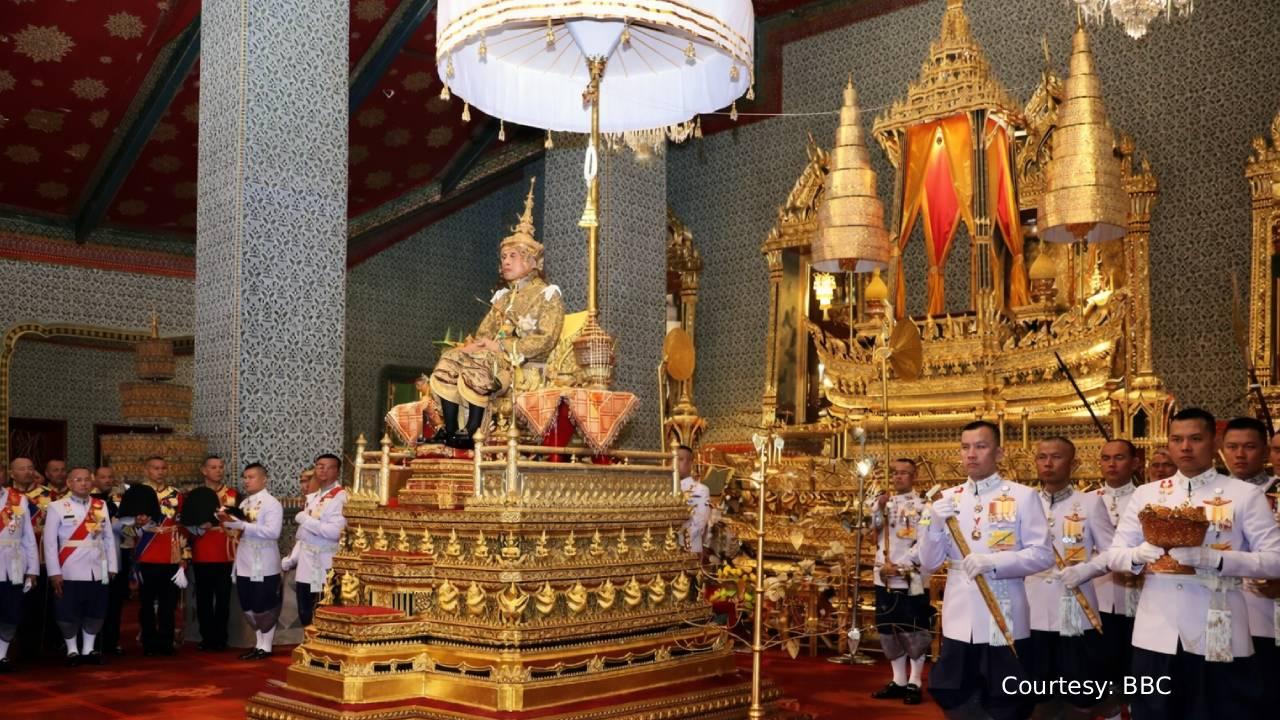
In the popular imagination, royal wealth is often reduced to symbolism - palaces, crowns, ceremonial regalia. But in modern Thailand, royal wealth operates very differently. It is structural, institutional, and deeply asset-driven. At the centre of this vast economic universe stands Maha Vajiralongkorn, frequently cited as the world's richest monarch.
What elevates this story beyond headline fascination is not merely the estimated net worth - often placed between $30 billion and $70 billion by international media - but the architecture of the wealth itself. This is not celebrity affluence or entrepreneurial fortune. It is sovereign-scale wealth, built on land, legacy institutions, and long-term control.
The Numbers That Captured Global Attention
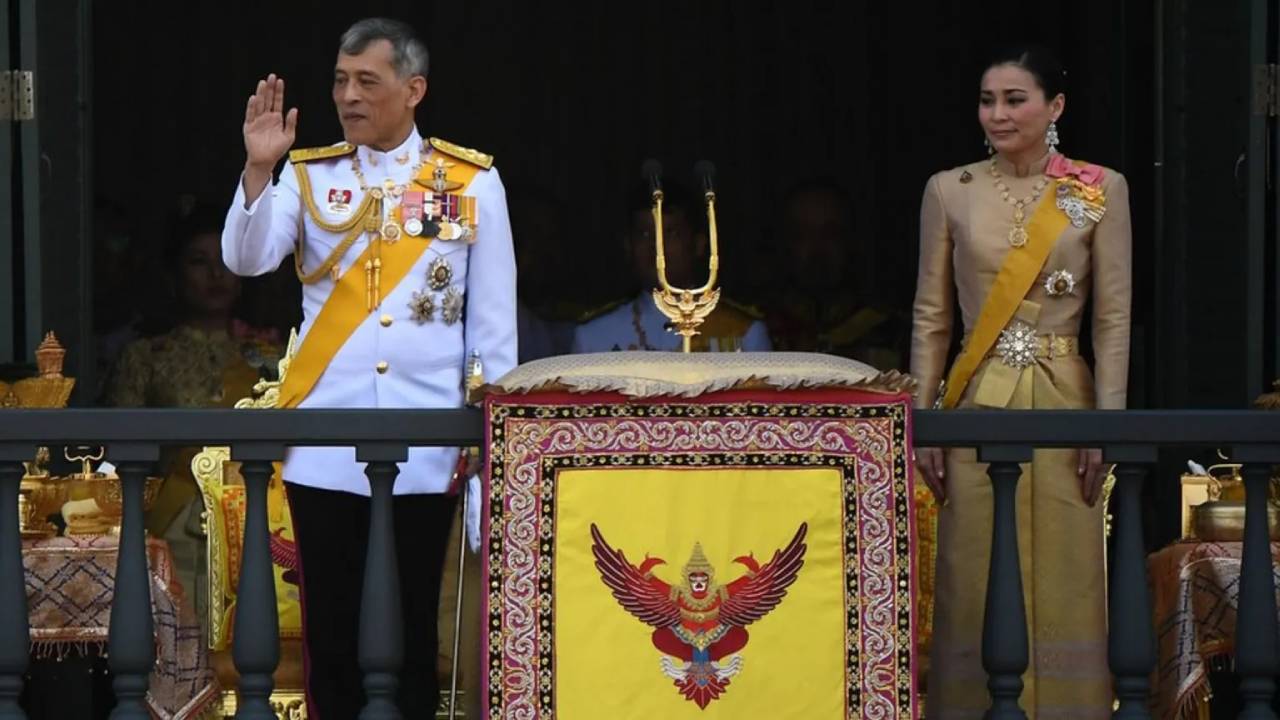
Media reports across the world frequently attribute to the Thai king an extraordinary inventory of personal and royal-use assets:
- Over 17,000 homes and properties
- 38 private jets
- A 300-car collection
- 52 luxury yachts and boats
These figures circulate widely because they compress something abstract into something visual. Even without perfect verification, they serve as a shorthand for scale - a signal that this is wealth operating in a different dimension altogether.
From a luxury perspective, this is not about indulgence. It is about capacity. At this level, aircraft fleets represent logistics power, residences represent land dominance, and vessels represent ceremonial, strategic, and lifestyle reach.
The True Engine - Land and Institutional Control
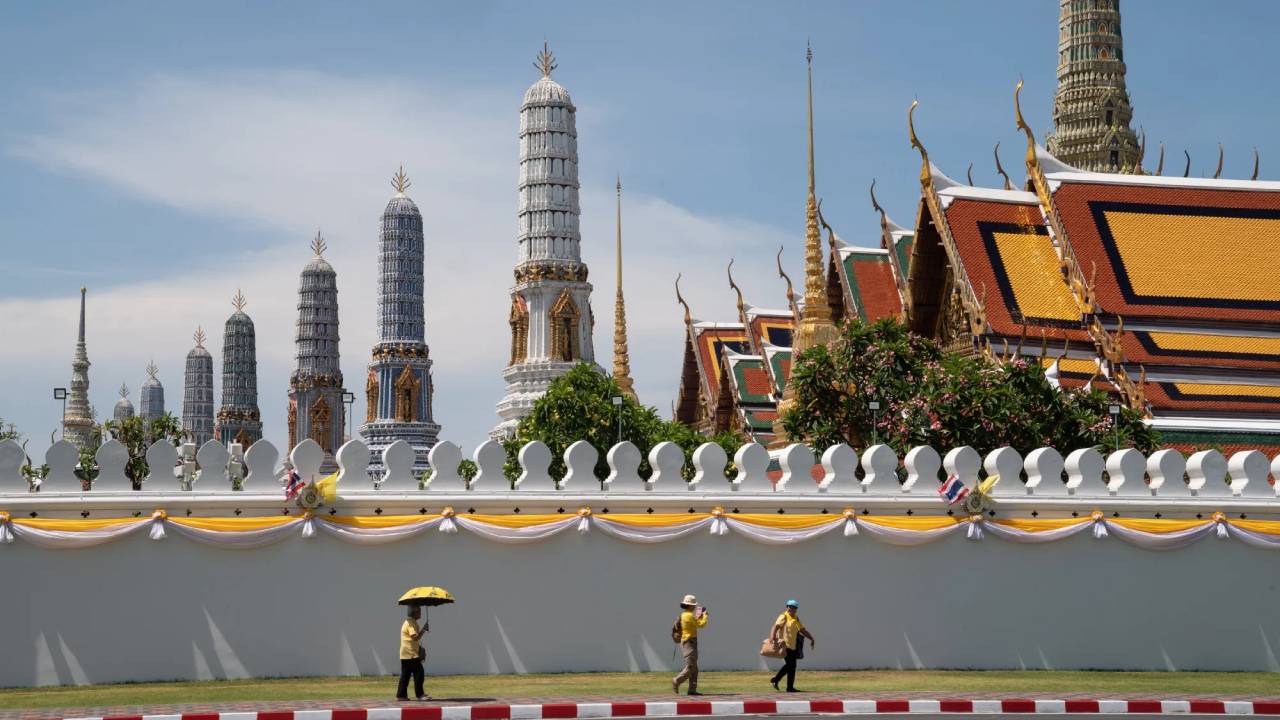
The foundation of Thailand's royal wealth lies in real estate.
For decades, crown assets were administered through institutional structures that functioned independently of day-to-day governance. In the late 2010s, legal reforms consolidated direct royal control over crown-managed property and investments, effectively placing vast income-generating assets under the king's authority.
This shift is crucial. It transformed royal wealth from something symbolic and institutional into something closer to personally controlled capital, anchored in land, leases, and long-term appreciation.
In real estate terms, this resembles a sovereign REIT - a portfolio spanning prime urban land, commercial developments, historic estates, and strategic locations across Thailand.
Equity Power - Banking, Cement, and Compounding Influence
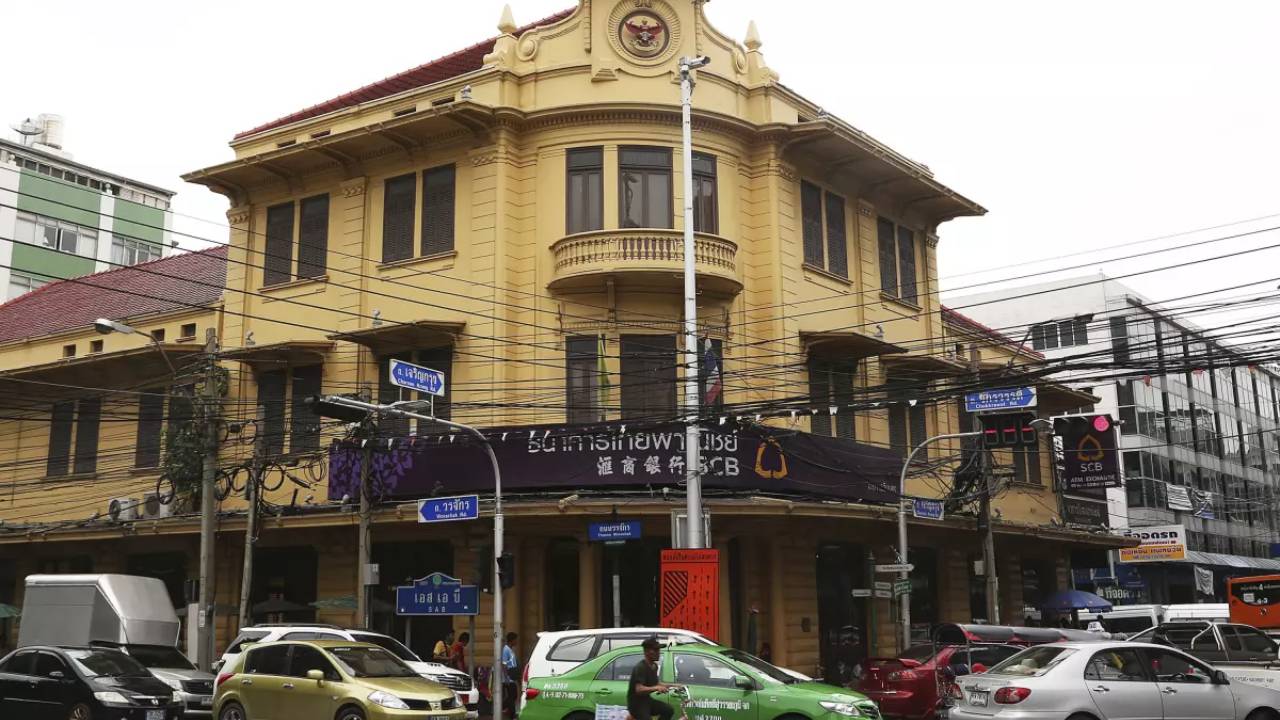
Beyond property, the king is widely reported to hold major stakes in some of Thailand's most influential corporate entities, including:
- Siam Commercial Bank (SCB) - one of the country's largest financial institutions
- Siam Cement Group (SCG) - a cornerstone of Thailand's industrial and infrastructure economy
These are not speculative investments. They are compounding assets with dividends, governance influence, and long-term economic relevance.
When combined with real estate holdings, they create a dual-engine wealth system:
- Property for permanence and cash flow
- Equity for growth, leverage, and institutional power
This is why analysts and global media consistently rank Vajiralongkorn above other monarchs whose wealth may be impressive but is often fragmented, symbolic, or constrained by constitutional structures.
Why This Royal Fortune Is Unmatched
Several factors make Thailand's royal wealth distinct on a global scale:
- Concentration - Few monarchies combine land, equity, and direct control at this magnitude
- Longevity - Assets are generational, not market-cyclical
- Limited transparency - Which widens estimation ranges and fuels fascination
- Legal consolidation - Recent history increased personal authority over crown assets
In luxury terms, this is wealth that behaves less like private fortune and more like a parallel economy.
The LuxuryAbode Perspective
Ultra-luxury is often framed through personal taste - cars, yachts, penthouses, jets. But the highest tier of wealth is not about possessions alone. It is about systems.
Maha Vajiralongkorn's fortune represents a form of wealth that transcends lifestyle. It is anchored in land, embedded in institutions, and insulated by history. It does not chase trends. It outlasts them.
Similar to the world's ultra-rich individuals who have crossed the $100 billion threshold, this wealth operates at a scale that redefines conventional understanding. While the world's richest individuals have built their fortunes through technology and commerce, royal wealth represents an entirely different category - one built on centuries of institutional power and strategic real estate accumulation.
That is what makes this story compelling for LuxuryAbode - not spectacle, but scale with permanence. Understanding what luxury assets the ultra-wealthy prioritize provides context for why property portfolios, aircraft fleets, and yacht collections represent more than mere indulgence - they are the infrastructure of sovereign-scale influence.
Editorial Disclaimer
This article is based on widely reported information from international media, public records, and institutional disclosures.
Figures relating to asset counts, valuations, and personal holdings are estimates, as comprehensive audited disclosures of royal assets are not publicly available. Some properties, vehicles, aircraft, and vessels may be held through institutional, ceremonial, or crown-linked structures rather than as privately titled assets.
LuxuryAbode presents this feature for informational and editorial purposes only, with no intent to speculate, sensationalise, or misrepresent. All interpretations are offered in a contextual, analytical, and neutral manner, respecting the legal and cultural sensitivities surrounding royal institutions.


Comments
No comments yet.
Add Your Comment
Thank you, for commenting !!
Your comment is under moderation...
Keep reading luxury post