The Rain Connoisseurs: Inside India's Greatest Luxury Retreats That Thrive in the Monsoon
 Pradeep Dhuri
- 7th May 2026
- 2448
- 0

A LuxuryAbode deep-dive into the rarefied world of palaces, plantations, and Ayurvedic retreats that don't merely survive the rains - they were built for them. Where peak season is what other destinations call off-season, where mist is a luxury amenity, and where a single drop of monsoon rain on a 200-year-old marble courtyard is, for the global affluent traveller, the most coveted experience money can buy.
The Opening Note: When the Rest of the World Closes Its Shutters, India's Finest Hotels Open Their Verandas
There is a particular kind of luxury traveller - well-travelled, slightly jaded, allergic to crowds, and quietly obsessed with weather as a curatorial element, for whom the months of June through September are not the off-season but the actual season. While the international jet-set descends on the Mediterranean and the Hamptons, this rare breed checks into a 250-year-old marble palace floating on a rain-swollen lake in Udaipur, or a colonial-era estate ringed by tea plantations in the Western Ghats, or a 200-year-old Ayurvedic palace in Palakkad where the only sound for three weeks is the steady percussion of warm medicated oil being poured onto skin while monsoon rain drums the tiled courtyard outside.
When the World Closes its Shutters, India's Finest Hotels Open Their Verandas: The Luxury Monsoon Retreats That Were Built for the Rains
The luxury monsoon retreat is one of the great underappreciated genres of global hospitality. It is not adversity-luxury — it is climate-as-luxury. The monsoon, which other destinations treat as a hazard, is here treated as an ingredient. The mist that fogs a Coorg infinity pool. The waterfalls that erupt overnight along the Athirappilly cliffs. The way Lake Pichola swells until the Aravalli ranges seem to dissolve into pewter sky. For those curious about what monsoon luxury feels like from inside one of India's finest city hotels, our piece on experiencing monsoon luxury at The Ritz-Carlton Bangalore gives a vivid glimpse of the season's potential.
This is the story of those retreats — the heritage palaces, plantation estates, lakeside resorts, ancient Ayurveda hospitals, and contemporary wellness sanctuaries across India, Sri Lanka, and the broader subcontinent — that do not endure the monsoon. They are perfected by it.
I. Why the Monsoon Is Luxury's Best-Kept Secret
To understand why the monsoon is a premium experience for the discerning traveller, one must first reframe what luxury is in 2026. The new affluent consumer is increasingly post-Instagram. They are not chasing the cliché photograph; they are chasing experiential rarity. They want fewer fellow guests, deeper service ratios, more meaningful encounters with place. The monsoon delivers all of this naturally.
The case for monsoon luxury rests on five pillars. First, crowd inversion: December–February sees India's heritage palaces and Kerala backwaters at saturation; June–September sees the same properties at 30–60% occupancy with the same staffing, and the service ratio inverts in the guest's favour. Second, climate as set design: Coorg, Munnar, Wayanad, Kumarakom, Udaipur — these landscapes were composed by nature with the monsoon as the leading instrument; visiting them in the dry season is, for connoisseurs, like seeing Venice without water. Third, wellness authenticity: the Ayurvedic tradition is unambiguous — monsoon is the most therapeutically effective season of the year. Fourth, pricing asymmetry: monsoon discounts of 15-30% are common across Kerala and Karnataka resorts from June onwards. Fifth, cinematic atmospherics: the mist, fog, and surreal beauty of the monsoon create a sensory register no other season can produce.
II. The Geography of Monsoon Luxury: Mapping India's Rain-Blessed Belt
India's monsoon arrives on the Kerala coast around June 1 and sweeps progressively northeast through the month, with the southwest monsoon affecting most of the country through July and August. This creates a clear geographic logic for the luxury monsoon traveller.
Table 1: India's Monsoon Luxury Belt at a Glance
| Region | Peak Monsoon Window | Signature Atmosphere | Luxury Genre |
|---|---|---|---|
| Kerala (Munnar, Wayanad, Kumarakom, Thekkady) | June–September | Tea estates in cloud, swollen backwaters, waterfalls | Heritage plantations, Ayurveda palaces, backwater villas |
| Coorg, Karnataka | June–September | Rainforest, coffee plantations, mist rivers | Plantation estates, jungle resorts |
| Udaipur, Rajasthan | July–September | Aravallis emerald, lakes brimming, palaces glowing | Lake palaces, fort-hotels, royal residences |
| Maharashtra Hills (Lonavala, Mahabaleshwar) | June–September | Thunderous waterfalls, strawberry farms | Boutique luxury, spa resorts |
| Meghalaya & Northeast | May–September | Earth's wettest place; Cherrapunji, Shillong | Rare colonial heritage, eco-luxury |
| Goa (South) | July–September | Empty beaches, dramatic Arabian Sea | Restored Portuguese mansions, beach luxury |
| Sri Lanka (East Coast) | May–September | Dry while West rains; Tamil heritage | Beach villas, Ayurveda |
| Bhutan | June–August | Rhododendrons, fewer permits, dramatic mist | Aman, Six Senses, Como |
| Ladakh & Spiti (rain-shadow) | June–September | Bone dry while plains drown | High-altitude luxury camps |
The strategic insight: India's monsoon is not monolithic. While Mumbai and Goa are drenched, Ladakh sits in the rain shadow of the Himalayas and stays almost entirely dry, with full highway access and every major attraction open. The most informed luxury itinerary in monsoon doesn't avoid the rain — it choreographs around it.
III. The Heritage Palace Tradition: Where Monsoon Was the Original Design Brief
Before luxury was a marketing category, it was a royal architectural philosophy — and India's maharajas understood the monsoon as both threat and theatre. Their palaces were designed around it. The jharokhas (overhanging balconies), the sloped tiled roofs, the courtyard stepwells, the elevated marble pavilions — every signature element of Mughal and Rajput palace design was, at some level, a monsoon design choice. For those seeking inspiration across India's grandest palace-hotel properties, our guide to grand Indian palaces that make for the perfect fairytale wedding destination maps many of the same iconic properties through a different but equally compelling lens.
Udaipur — India's Definitive Monsoon Romance

The lakes of Udaipur are man-made. Each one — Pichola, Fateh Sagar, Swaroop Sagar — depends on a generous monsoon to fill. The city's most iconic hotels become themselves only after the rains. Raffles Udaipur, perched on the private Udai Sagar Lake, is another property that transforms magnificently in this season — our dedicated feature on Raffles Udaipur as the pinnacle of festive serenity on Udai Sagar Lake gives a taste of what this Udaipur lakefront experience delivers.
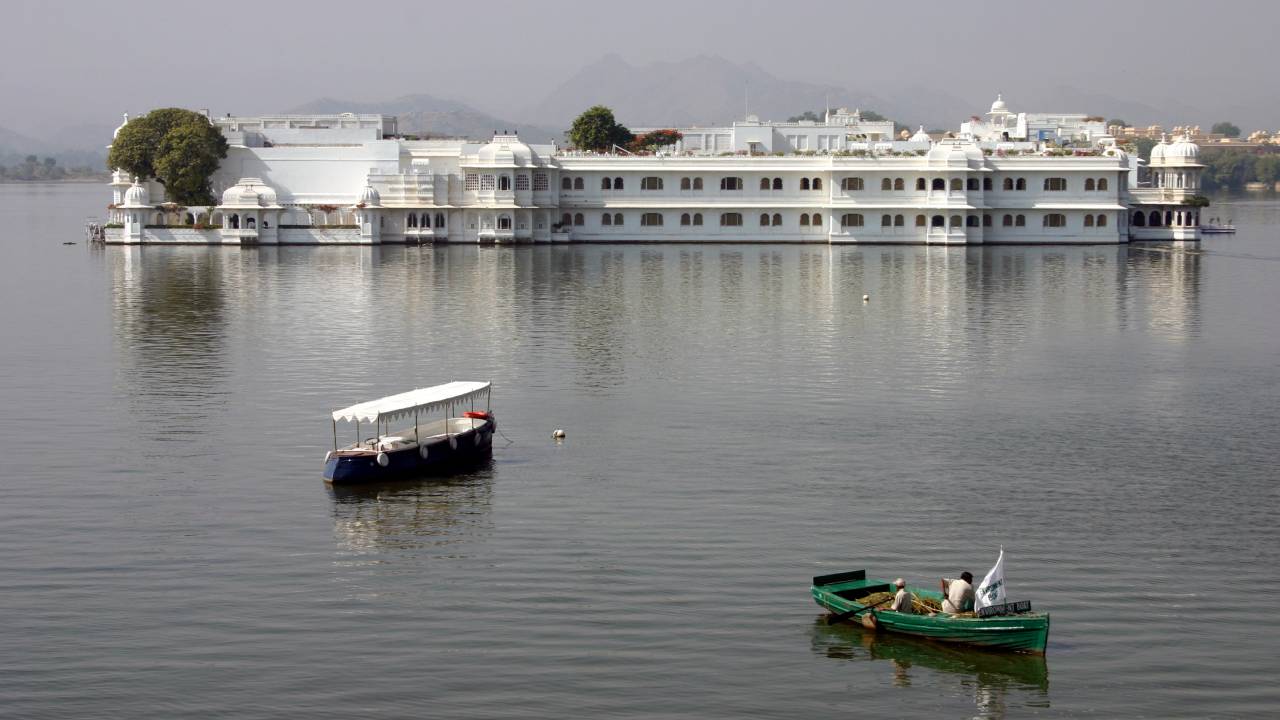
Taj Lake Palace, Udaipur. A 250-year-old white marble palace seemingly floating on Lake Pichola. Originally built between 1743 and 1746 by Maharana Jagat Singh II as a royal summer retreat, this marble masterpiece embodies the timeless grandeur of Mewar. Restored to its original splendour, the palace features 65 luxurious rooms and 18 opulent suites, each offering mesmerising lake and palace views. Accessible only by boat. Featured in the James Bond film Octopussy. Recently named to the Michelin Key list. The case for Lake Palace specifically in monsoon: the man-made lakes only reach their full painterly drama after July rains.
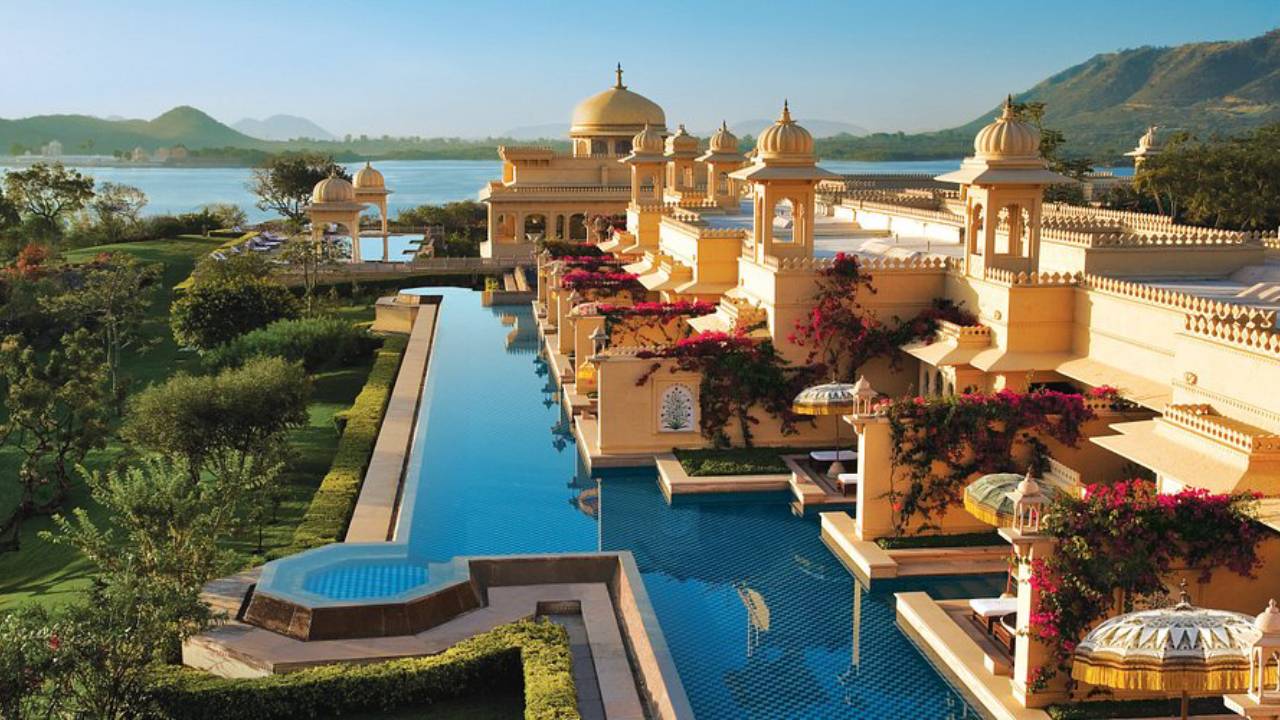
The Oberoi Udaivilas, Udaipur. Sprawling across 121,000 square metres, with 90 luxurious rooms, nine swimming pools, and lush courtyards enhanced by impeccable butler service. A dome gilded with 18-carat gold leaf, another lined with glowing glass mosaics illuminated by candlelight each evening.
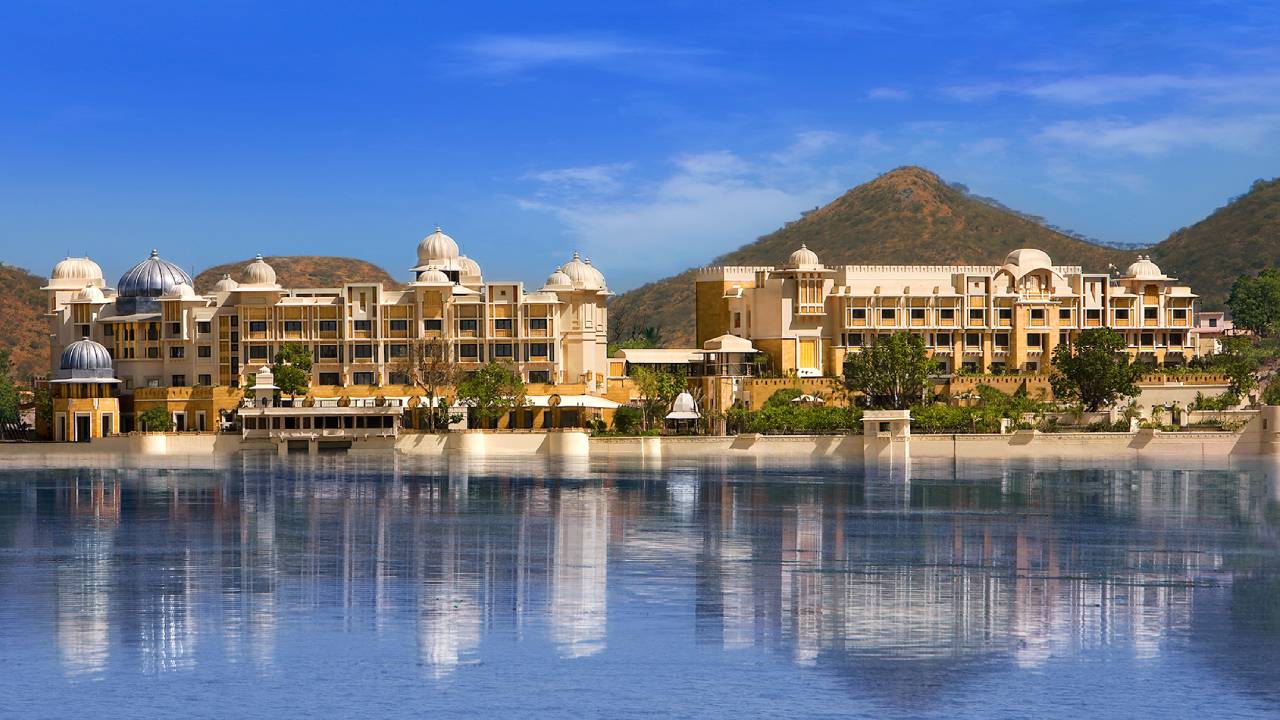
The Leela Palace Udaipur. Designed with domed havelis, ornate jharokhas, and intricate craftsmanship, with guests arriving in style via a serene boat ride, welcomed with a shower of rose petals. For a sister property that captures the same Leela grandeur in a different setting, our feature on the irresistible luxury of Leela Palace Jaipur offers a compelling companion read.
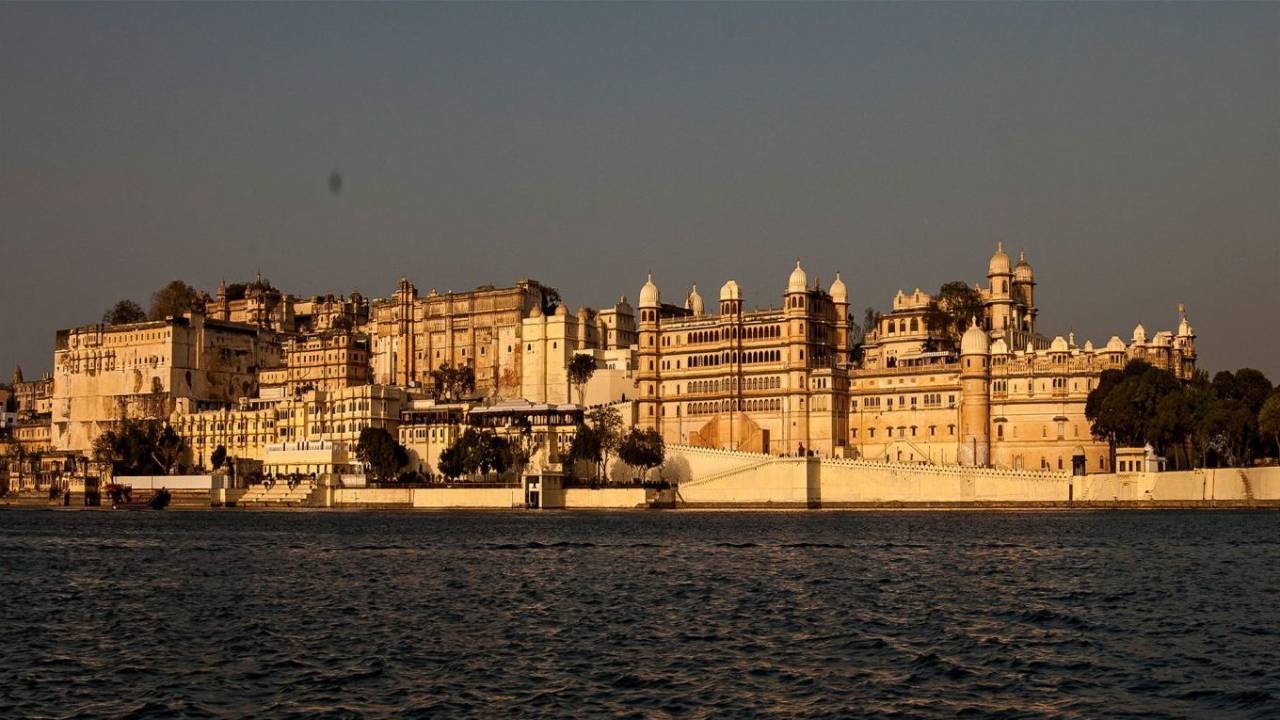
Taj Fateh Prakash Palace. Built at the turn of the 20th century by Maharana Fateh Singh of Mewar to host royal guests, gracefully poised on the eastern banks of Lake Pichola, with majestic views of the lake and the Aravalli hills.
In monsoon, Udaipur's "City of Lakes" identity transforms into something altogether more theatrical. Rain-soaked courtyards and blooming gardens add to an ethereal atmosphere that no other season can replicate.
Hyderabad — The Falaknuma Mirror of the Sky
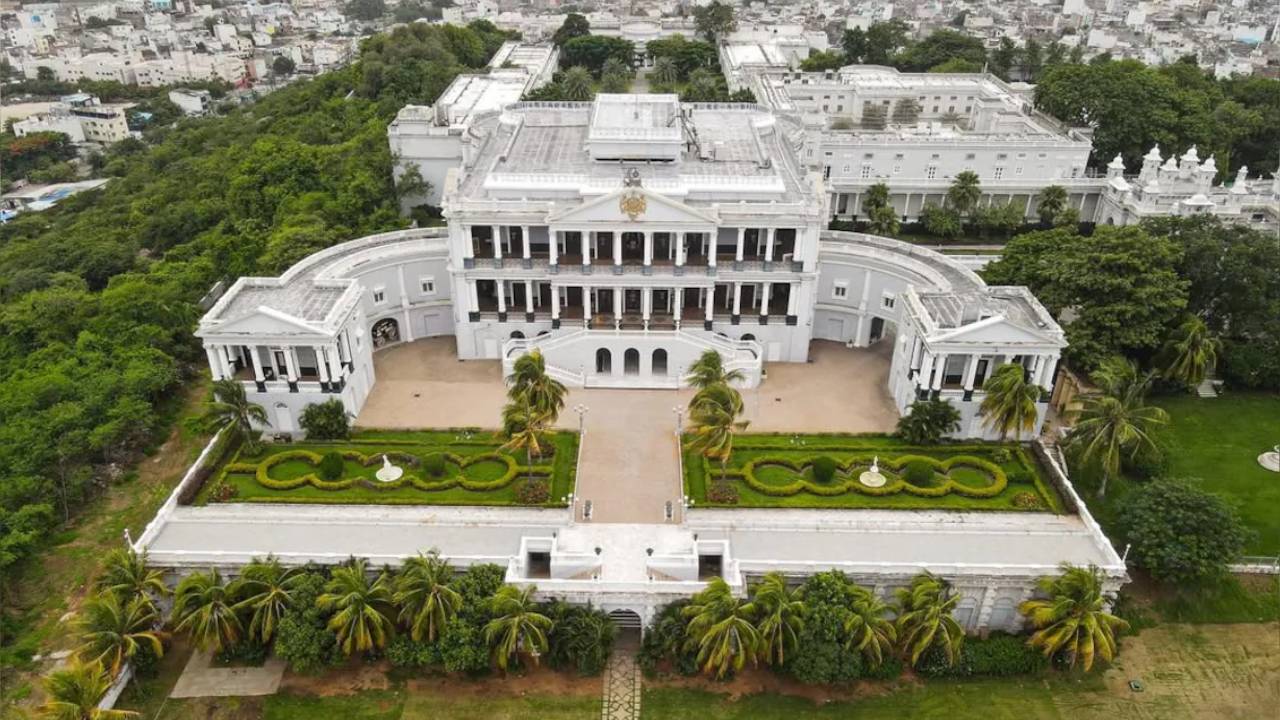
Perched high above Hyderabad, Taj Falaknuma Palace is a breathtaking blend of Nizam-era grandeur and refined luxury, where Venetian chandeliers, butler-serviced suites, heritage walks and fine Hyderabadi cuisine offer guests a regal experience steeped in history. Originally built in the 1890s as a summer retreat by the Nizam of Hyderabad (once thought to be the richest man on the planet), Falaknuma sprawls over 32 acres of gardens. In monsoon, the cool evenings bring back the precise atmospheric register the Nizam built it to enjoy.
IV. The Plantation Aesthetic: Where Hill Stations Become Their Truest Selves
If Udaipur is monsoon's grand opera, the Western Ghats are its intimate chamber music. Coorg, Munnar, Wayanad — these landscapes are transformed during the monsoon, with rainfall enhancing the lush greenery of tea gardens, dense forests, and seasonal waterfalls. Kerala's backwater luxury during the monsoon can be explored through our guide to 10 luxurious vacation rentals in Kerala, which covers the full spectrum of styles available across the state.
Coorg — India's Rainforest Luxury
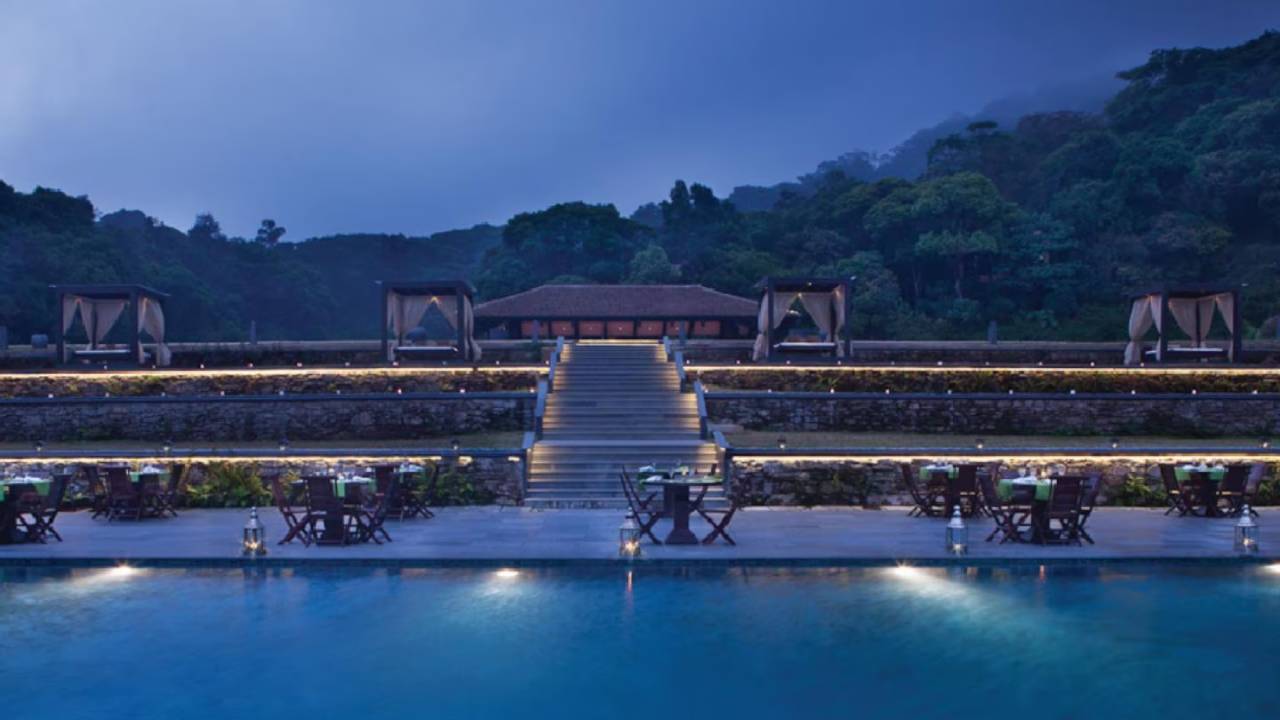
Taj Madikeri Resort & Spa, Coorg. Perched 4,000 feet above sea level in the midst of a 180-acre rainforest. With Kodagu architecture, a temperature-controlled infinity pool, an outdoor pool, and four experiential dining experiences. The property houses 200 species of plants, trees and rare foliage including Rudraksha trees, cardamom, wild jasmine, coffee and eucalyptus. When it rains in Coorg, Taj Madikeri is turned into a work of beautiful magic — a universe to itself, set deep among 180 acres of rainforest where you can hear waterfalls, smell the jungle, and really see clouds pass through the trees. The outdoor pool stays closed during monsoons, but the indoor temperature-controlled infinity pool is open through the year. Coorg locals declare that the monsoon from June to September is the only season that brings out the true essence of their region.
The signature monsoon experience here: the guided rainforest walk, conducted from 4 to 6 pm, where guests are kitted out in leech socks, gum boots, waterproof hooded jackets, and large umbrellas that double as walking sticks.
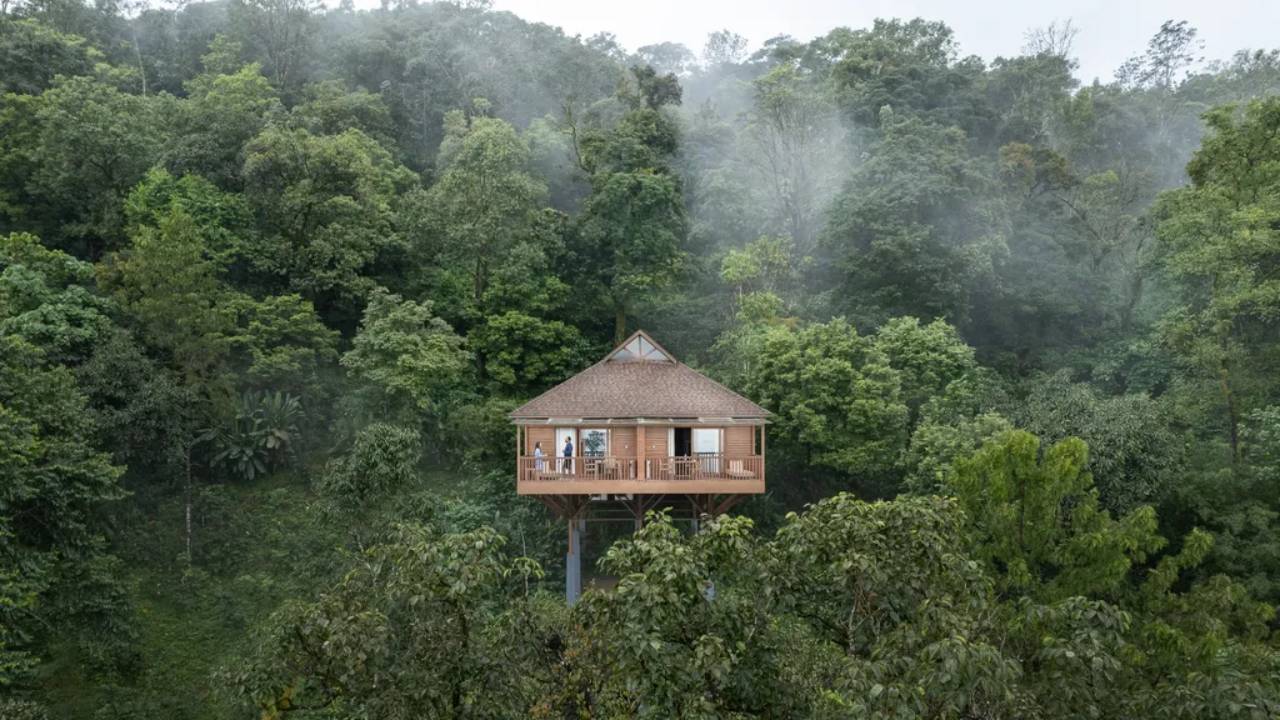
The Tamara Coorg. A heritage-style sister property where plant-covered walls, stone walkways, and candlelight meals come to life during the monsoon. Rainy afternoons are perfect for the spa, with hot rasam and freshly cooked desserts completing the atmosphere.
Munnar — Where Rain Doesn't Fall, It Flows
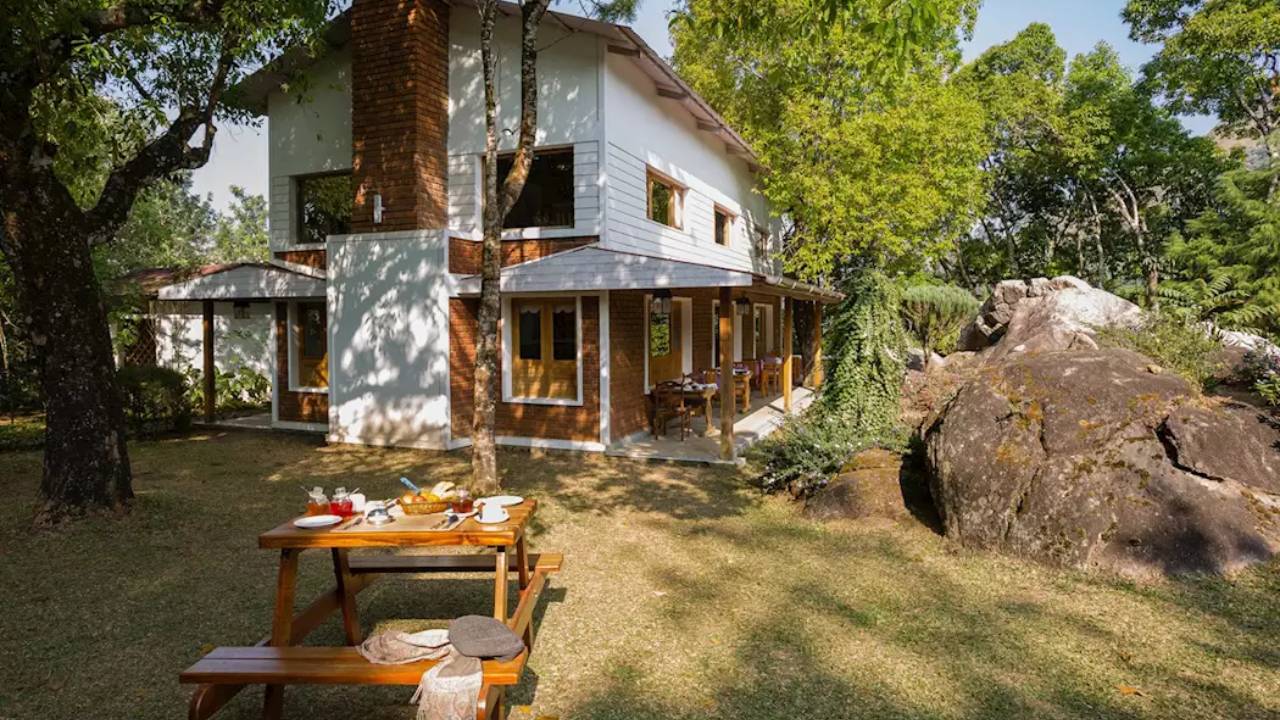
In Munnar, rain doesn't just fall; it flows through everything. The air smells of soil and eucalyptus, the fog stays low, and the tea plantations turn electric green. Key properties include Windermere Estate (located on a hill with a view of the valley), SpiceTree Munnar (hilltop luxury with heated jacuzzis overlooking misty tea valleys), Viriparai Tea Estate Bungalow (a heritage colonial bungalow in the historic Kanan Devan Hills), and The Blanket Hotel & Spa (with exclusive views of the Attukad waterfall).
In 2026, Munnar's resort sector has responded to the demand for "Experiential Luxury." The private pool villa has become the most requested accommodation type. Heritage and plantation bungalows from KDHP or Tea County provide a nostalgic British-era experience with century-old bungalows, sprawling lawns, fireplaces, and personalised butler service.
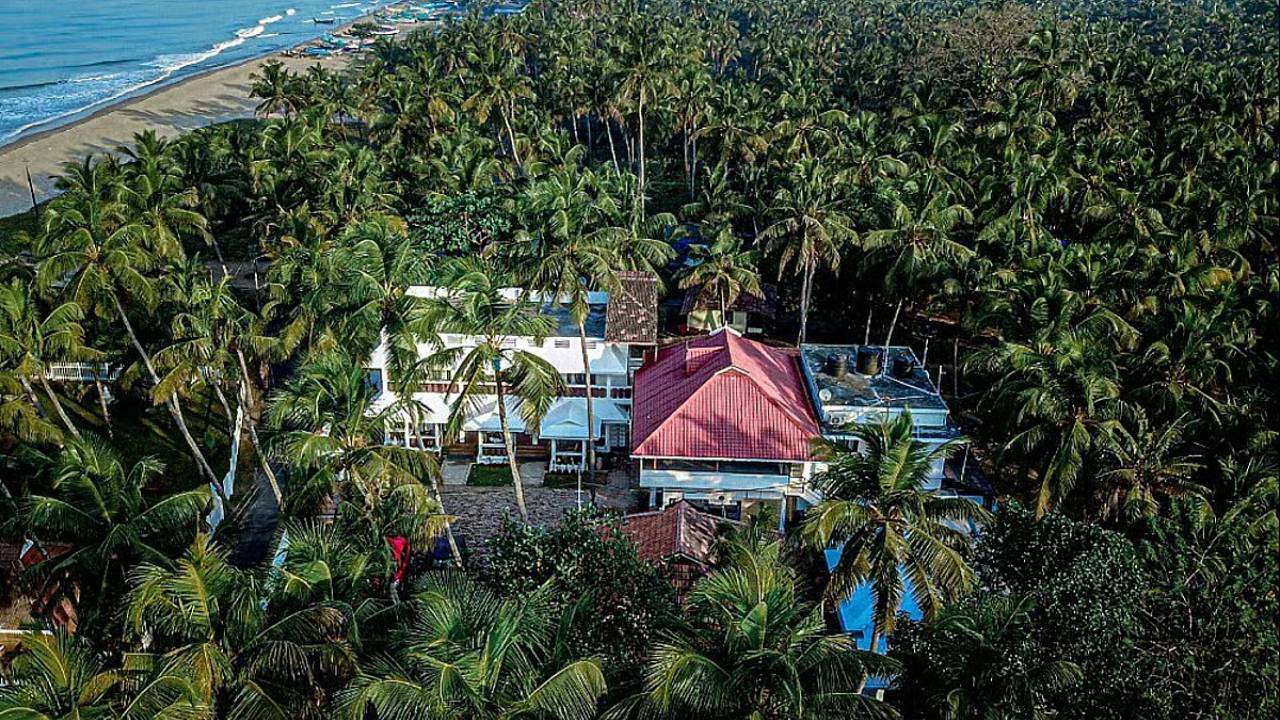
Wayanad — Kerala's Quietest Luxury
V. The Ayurveda Apex: Karkidaka Chikitsa and the Monsoon-as-Medicine Tradition
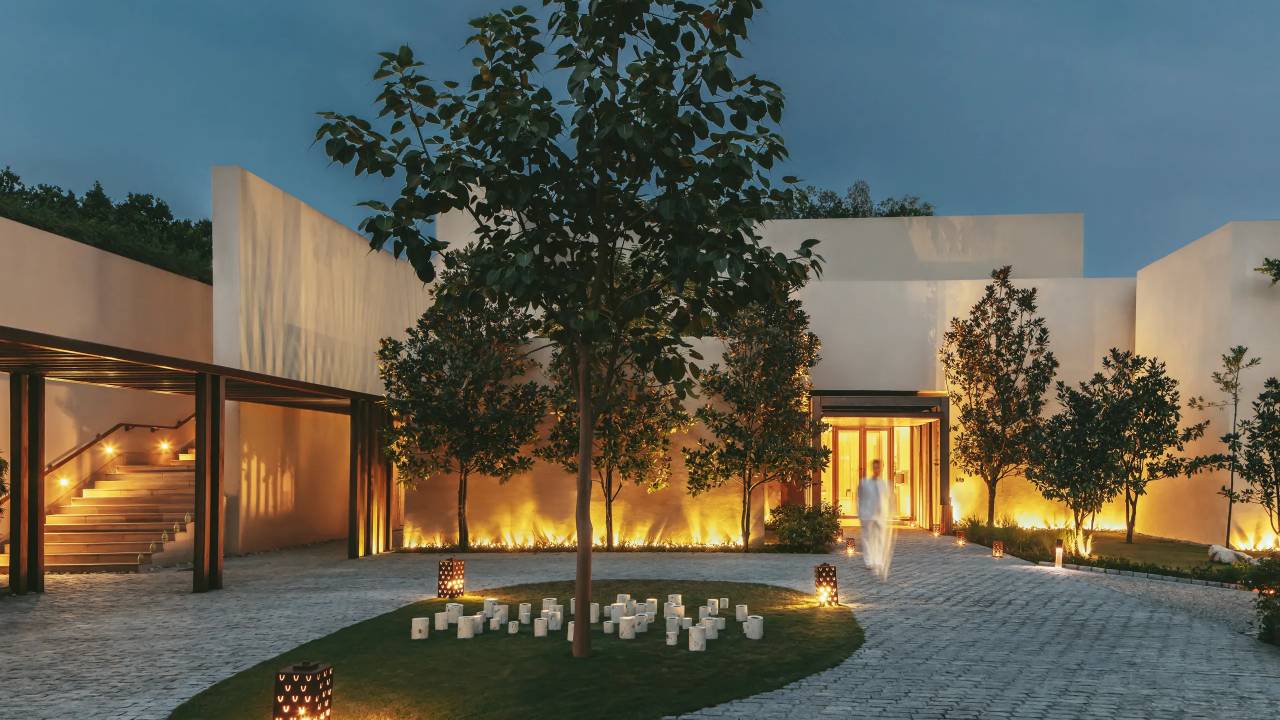
No section of this report carries more cultural and therapeutic weight than this one. The Ayurvedic tradition is unequivocal: monsoon is the most powerful healing season of the year. The practice is so codified it has its own name — Karkidaka Chikitsa, named after the Malayalam month of Karkidakam (mid-July to mid-August).
According to classical Ayurvedic texts like Ashtanga Hridayam, Varsha Ritu (the monsoon season) is the best time for Vata and Pitta-pacifying therapies. During the monsoon, Kerala experiences high humidity and lower temperatures. These conditions open up the skin's pores and reduce metabolic heat, making it the ideal time to receive deep-penetrating oil treatments and detoxification therapies. This is not folk wisdom retrofitted to seasonal marketing. It is a 5,000-year-old empirical system that aligns precisely with what modern dermatology recognises about skin absorption rates in high humidity. The Six Senses approach to Himalayan wellness offers a fascinating contemporary counterpart to this tradition — as documented in our report on Six Senses Vana — a unique wellness resort in the Himalayan foothills.
Table 2: India's Apex Monsoon Ayurveda Retreats — The 2026 Authority List
| Retreat | Location | Distinction | Typical Karkidaka Programme |
|---|---|---|---|
| Kalari Kovilakom (CGH Earth) | Kollengode, Palakkad, Kerala | "The Palace for Ayurveda" — 200-year-old royal palace, NABH-accredited | 14–28 night Panchakarma; ~INR 3,00,000+ |
| Kalari Rasayana (CGH Earth) | Paravur, Kollam, Kerala | Beachside NABH-accredited Ayurveda hospital | Comprehensive monsoon detox |
| Ananda in the Himalayas | Narendra Nagar, Uttarakhand | India's most awarded luxury wellness retreat | Ayurveda + Vedanta + spa, Himalayan views |
| Soukya | Bengaluru, Karnataka | Holistic health sanctuary for global dignitaries | Integrated Ayurveda, naturopathy, homeopathy |
| Somatheeram Ayurveda Village | Kovalam, Kerala | Award-winning beachfront Ayurveda retreat | Beach + Ayurveda monsoon programmes |
| Carnoustie Ayurveda & Wellness | Mararikulam, Kerala | Luxury eco-retreat, plush villas, private pools | Anti-ageing, detox, weight loss |
| Nattika Beach Ayurveda Resort | Thrissur, Kerala | Peaceful coastal Ayurveda haven | Authentic Karkidaka treatments |
| Sitaram Ayurveda Heritage | Thrissur, Kerala | 100+ years of traditional Ayurveda lineage | Classical heritage care |
| Veda5 | Wayanad, Kerala / Rishikesh | Boutique Ayurveda amidst Western Ghats | Monsoon Panchakarma |
| Madukkakuzhy Ayurveda | Kerala | Nine-generation Ayurveda lineage since 1938 | Karkidaka Chikitsa from family pharmacopoeia |
| Santani Wellness | Kandy, Sri Lanka | Sri Lanka's first dedicated Ayurvedic luxury property | Knuckles Mountains setting |
The Crown Jewel: Kalari Kovilakom
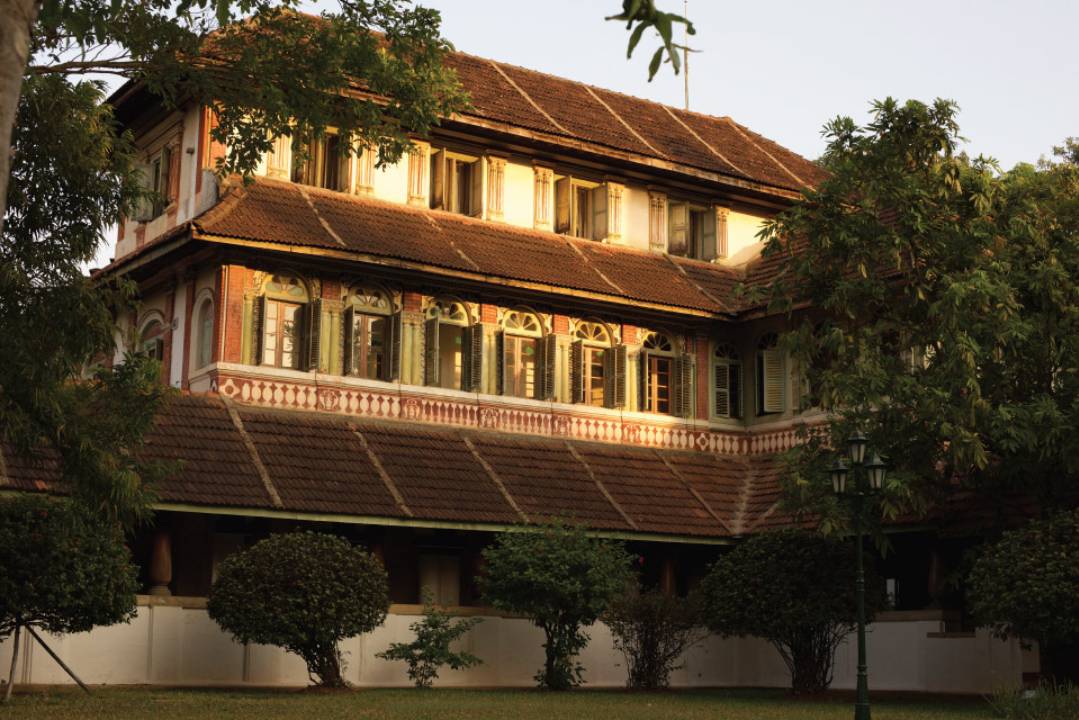
Kalari Kovilakom by CGH Earth deserves its own paragraph. Located in Kollengode in Kerala's Palakkad district, fringed by the Western Ghats, the property is housed in a 200-year-old palace that once belonged to the Vengunad chieftains. Set within the palace grounds of the old Vengunad kingdom, Kalari Kovilakom offers 19 well-appointed rooms with modern amenities and a clinic with 12 treatment rooms.
The minimum stay is two weeks — the time required for Ayurvedic treatments to have any meaningful effect. Cuisine is delicious, based on traditional Kerala vegetarian recipes locally sourced, with no coffee, tea, alcohol or cigarettes; meat, fish, eggs, bread, milk and sugar are not served. The signature programmes include Manashanthi Chikitsa (stress management), Shodhana Chikitsa (body purification), Panchakarma Chikitsa (complete detox over 21–28 nights), Rasayana Chikitsa (immunity boosting), and Sthoulyaghna Chikitsa (weight management). Cultural programmes — Kathakali, Carnatic music with mrudangam, flute, violin, harmonium — are part of the daily ritual.
Kalari Kovilakom is a three-hour drive from Cochin International Airport and two hours from Coimbatore Airport. The cost — approximately INR 3,00,000 for a full Karkidaka programme inclusive of heritage suite, all treatments, sattvic meals, yoga and consultations — is, by global wellness standards, remarkable value for what amounts to a residency in a working palace-hospital with 5,000-year-old protocols. For those seeking a parallel luxury wellness experience in a Himalayan context, our feature on the Atmosphere Core expansion into Himalayan heights with Atmosphere Kufri charts a newer but equally compelling direction in Indian wellness hospitality.
VI. The Backwater Theatre: Kumarakom, Alleppey, and the Floating Luxury Tradition
If Kerala's hills are the soprano, the backwaters are the contralto. Kumarakom and Alleppey, set along the vast Vembanad Lake system, transform during the monsoon into a slow-motion landscape of silver water, drifting palms, and rain-blurred coconut groves.
Kumarakom Lake Resort. Set on the tranquil backwaters of Kerala, blending heritage charm with contemporary comfort, offering traditional villas with private pools, Ayurvedic spa treatments, and houseboat cruises. A favourite of luxury travellers who want backwater authenticity without compromise.
The privatised houseboat experience. A new generation of fully-staffed, air-conditioned private houseboats — exemplified by Xandari Riverscapes in Alleppey, which offers private luxury houseboats with chef and spa therapist onboard — has reframed what a Kerala backwater stay can be in monsoon. When it rains, the Vembanad Lake fills with silver drops of water, coconut palms move softly, and houseboats glide peacefully as though time has paused.
VII. Monsoon Beyond India: The Subcontinental Luxury Map
Sri Lanka: The Two-Monsoon Strategy
Sri Lanka has two monsoon seasons. The southwest monsoon affects the south and west coasts from May to September, while the northeast monsoon brings rain to the Cultural Triangle and East Coast from October to January. The strategic implication: in May–September, Sri Lanka's East Coast — Trincomalee, Pasikudah, Arugam Bay — is fully accessible with calm seas, even as India and the Western Ghats are drenched. This makes Sri Lanka the ideal monsoon "split itinerary" extension.
Aman's Amanwella (Tangalle, southern coast). Surrounded by swaying coconut palms and seamlessly integrated into a hill that descends to a golden-sand beach. 27 clean-lined, super-spacious freestanding suites nestled on the hillside, each with private pool and floor-to-ceiling sliding glass doors.
Ceylon Tea Trails (Resplendent Ceylon). Four colonial bungalows set on a working tea estate, 4,000 feet above sea level. Monsoon makes the hill country unforgettable. Cape Weligama (Resplendent Ceylon). A clifftop resort with dramatic Indian Ocean views. From May to September, Weligama Bay offers a quieter season with relaxed rhythms. Santani Wellness Kandy. Floating high up in the lush jungles of the Knuckles Mountains — Sri Lanka's first dedicated Ayurvedic luxury wellness property.
Bhutan: The High-Altitude Monsoon Premium
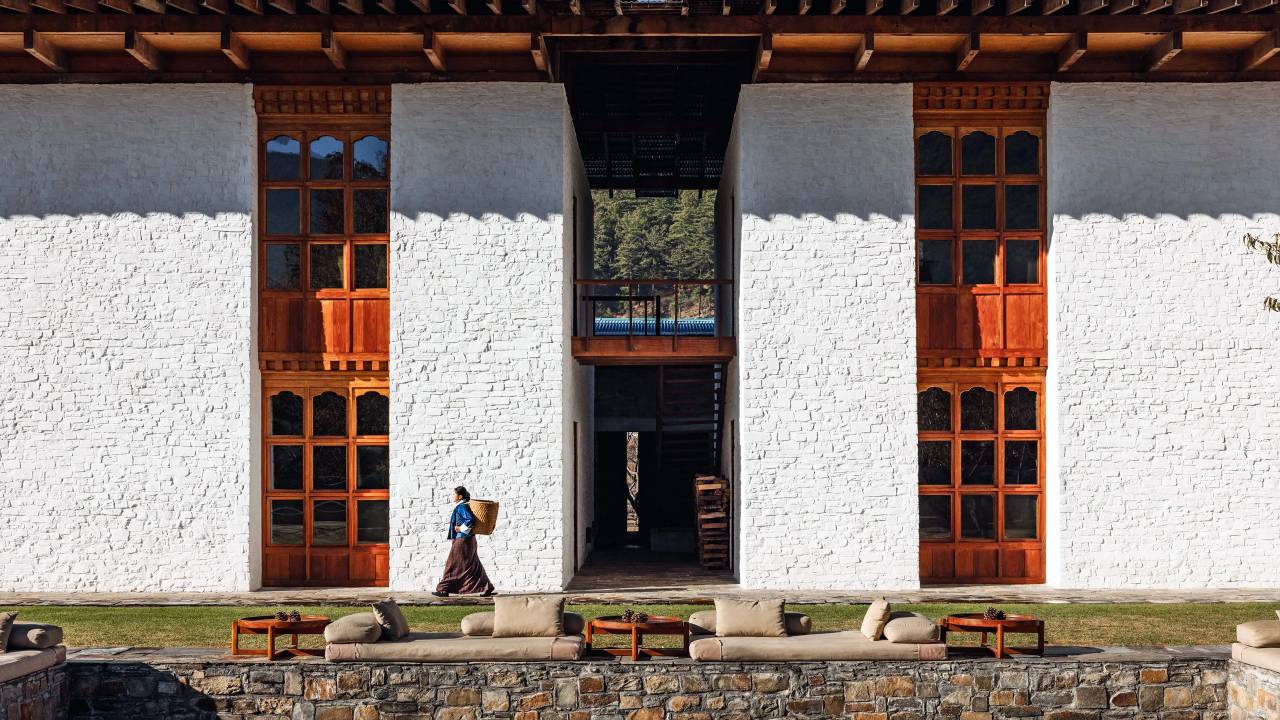
Bhutan's monsoon (June–August) is a deliberate luxury travel choice. The rains drape the Himalayan landscape in saturated colour, accommodation prices soften, and the typically packed dzongs of the Paro Valley become contemplative. Aman's three Bhutanese lodges (Amankora circuit), Six Senses Bhutan, and COMO Uma Punakha / Paro all maintain full operations through monsoon. For those intrigued by Bhutan's broader luxury transformation — which extends far beyond the monsoon season — our landmark report on Bhutan unlocked: inside the BIG-designed airport, royal-backed city and 168 km trail redefining Himalayan luxury is essential reading.
Maldives: The Monsoon-as-Discount Calculation
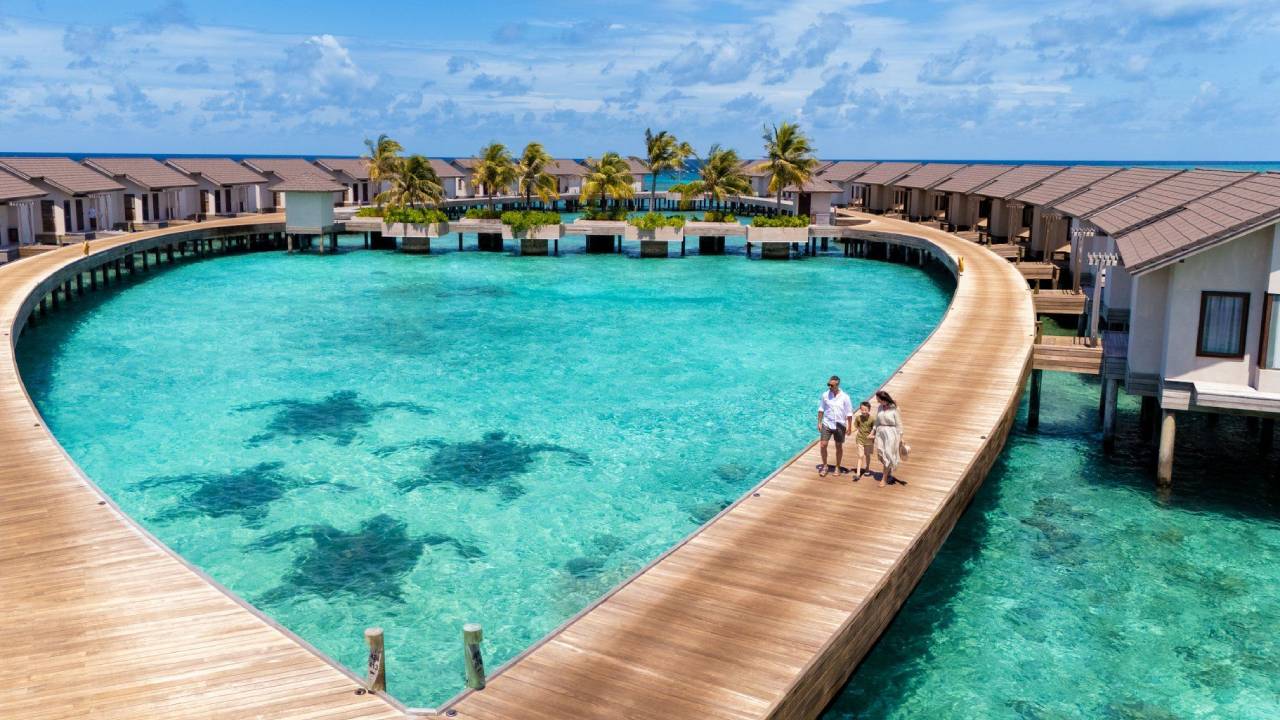
The southwest monsoon affects the Maldives from May to September, with periodic squalls but plenty of sunshine. The broader Maldivian luxury sector explicitly markets monsoon-period romance and family discounts — often 30–50% off peak rates, with complimentary seaplane transfers. For a guide to the very finest the Maldives offers year-round, our feature on the ultimate luxury escape at Four Seasons Maldives Private Island at Voavah sets the benchmark, while our look at the award-winning epicurean retreat Kaage in the Maldives this monsoon offers a specifically monsoon-season angle.
Ladakh: The Rain-Shadow Anomaly
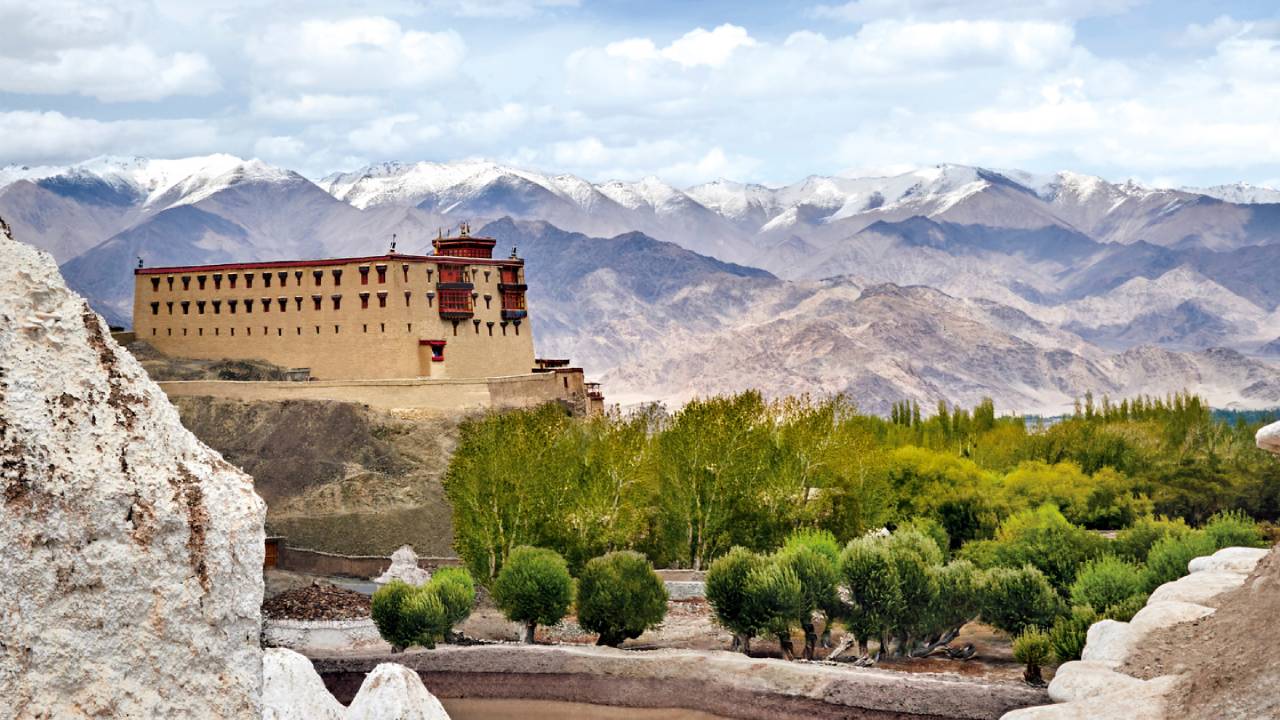
Ladakh sits in the rain shadow of the Himalayas and stays almost entirely dry. Leh in July and August has 15-28°C temperatures, full highway access, and every major attraction open. Pangong Tso, Nubra Valley, and Tso Moriri are all accessible. This is Ladakh's actual peak season in terms of visitor numbers. For the affluent monsoon traveller who wants the opposite of rain — Ladakh's high-altitude luxury camps and properties like Stok Palace, Chamba Camp Diskit, and The Grand Dragon offer a parallel monsoon-season luxury that is bone dry, dramatic, and increasingly fashionable.
VIII. The Monsoon Wedding Renaissance: When the Rains Become the Mandap
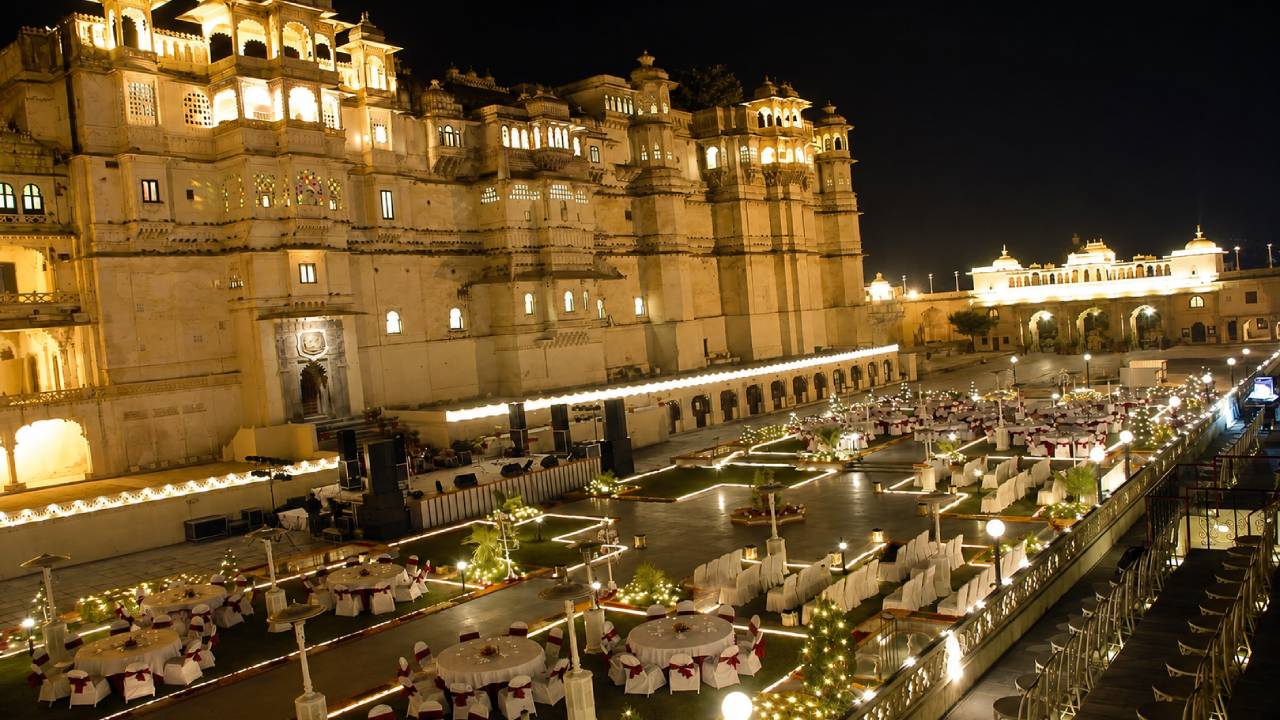
Five years ago, monsoon weddings were a cost-driven compromise. In 2026, they are a deliberate aesthetic and cultural choice — and the global Indian wedding industry has rebuilt itself around this fact. The broader renaissance of luxury destination weddings across India is captured in our report on how luxury destination weddings are back in demand across India, and for those who want to understand the monsoon wedding through the lens of India's finest properties, our guide to the best luxury hotels in India for a lavish destination wedding covers the full national map.
The leading monsoon wedding destinations in India are Udaipur (the undisputed monsoon wedding capital, where Lake Pichola at full water level offers a wedding photograph that no other geography in the world can replicate), Coorg (misty hills, gushing waterfalls, and coffee plantations transforming into a lush paradise for intimate luxury weddings), Munnar (tea gardens and cascading waterfalls for understated, nature-led celebrations), Goa South (rain-kissed beaches, swaying palm trees, and restored Portuguese mansions), and Shillong, Meghalaya (misty hills and cascading waterfalls for boutique destination weddings). For destination weddings at the Jaisalmer Marriott specifically, our feature on fairytale weddings at Jaisalmer Marriott Resort & Spa demonstrates the Golden City's unique appeal even beyond the typical monsoon window.
The economic case is equally compelling: off-season wedding rates at the most coveted properties — Taj Lake Palace, Oberoi Udaivilas, Leela Palace Udaipur, Taj Madikeri — can be 25–40% below winter peak rates, with the same staff, the same culinary teams, and a more atmospheric setting.
IX. The Ultra-Luxury Monsoon Itinerary: How the 1% Travels in the Rains
Drawing from the practices of India's top luxury concierge desks and the curated itineraries of operators like Scott Dunn, Black Tomato, Yonder, Travelosei, and Indian Excursions, a clear pattern emerges in how the global affluent monsoon traveller actually moves.
Table 3: The Definitive Three-Region Monsoon Luxury Circuit
| Phase | Duration | Destination | Property | Experience |
|---|---|---|---|---|
| Arrival & Acclimatisation | 3 nights | Udaipur | Taj Lake Palace / Oberoi Udaivilas | Lake Pichola at full water, palace heritage, Spa Boat |
| Wellness Core | 14 nights | Palakkad, Kerala | Kalari Kovilakom (CGH Earth) | Karkidaka Chikitsa Panchakarma, immersive Ayurveda |
| Plantation Decompression | 4 nights | Coorg or Munnar | Taj Madikeri / Windermere Estate | Rainforest walks, coffee tastings, indoor infinity pool |
| Optional Extension | 5 nights | Sri Lanka East Coast or Maldives | Resplendent Ceylon / Aman | Beach decompression in dry-zone climate |
The total spend for a couple on this circuit, July through August, exclusive of international travel, runs approximately INR 18–32 lakh (USD 21,500–38,500) at properties of this calibre — a meaningful figure, but one that purchases roughly four weeks of subcontinental luxury that simply isn't available at peak winter rates. For those tracking what Indian affluent travellers are spending on luxury experiences more broadly this season, our definitive report on why Indian travellers are choosing luxury over budget trips this summer 2026 provides the essential macro context.
X. The New Architecture of Monsoon Luxury: 2026 Trends Defining the Category
The luxury monsoon retreat sector is itself evolving rapidly. Six trends define 2026.
1. The Indoor Infinity Pool Mandate. The temperature-controlled indoor infinity pool, surrounded by floor-to-ceiling glass framing the rainforest or tea valley, has become the most-requested luxury amenity in monsoon properties. Where Taj Madikeri pioneered this in the Indian context, a new generation — Amber Dale, The Panoramic Getaway, and others in Munnar — have made it standard.
2. Plantation-to-Palace Itineraries. Curated three-property circuits (palace + plantation + Ayurveda) are now the dominant booking pattern at the ultra-luxury level, having displaced single-property "rest cures."
3. Refined Karkidaka Programmes. What was once a 28-day medical residency has been re-engineered for the time-poor affluent traveller into 7-day, 10-day, and 14-day modular programmes. NABH accreditation has become a non-negotiable trust signal.
4. The "Plantation Kitchen" Renaissance. Monsoon brunch or private dinner in colonial-style bungalows tucked inside tea and spice plantations in Thekkady or Vagamon, with fireplaces, gourmet cuisine, and fresh local ingredients. Chef's curated tasting menus featuring seasonal produce — wild mushrooms, freshwater fish, kokum, monsoon greens — represent a new gastronomic vocabulary. The parallel trend at city luxury hotels is elegantly captured in our coverage of savouring the monsoon's mystique with high tea at Four Seasons Hotel Bengaluru.
5. Wellness-Led Honeymoons. A new category of luxury monsoon honeymoon — replacing the conventional Maldives water-villa template — combines heritage palace + Kerala Ayurveda + plantation retreat across 14 days. June–September queries for "monsoon romantic getaways couples" have risen sharply on Indian travel platforms.
6. The Pet-Friendly Luxury Shift. Properties like Taj Madikeri now welcome pets in select premium luxury villa categories, responding to a generational shift where affluent millennials travel with companion animals as standard.
XI. The Practical Connoisseurship: What the Discerning Monsoon Traveller Actually Needs to Know
For all the romance, monsoon travel rewards preparation. Hill station roads can be affected by landslides in July — road advisories should be checked before travel to Manali, Coorg, or Shimla during heavy monsoon. Alibaug ferries from Gateway of India are weather-dependent — always have a road backup. Couples visiting Munnar pre-monsoon (May to early June) should book tea estate stay packages early — these sell out fastest. Premium luxury resorts in Munnar often sell out four months in advance for peak windows.
Packing intelligently matters more in monsoon than any other season: light cotton in humidity, quick-dry travel pieces, anti-slip footwear (waterproof sandals or flip-flops rather than closed shoes). For activities, the better properties provide gum boots, leech socks, waterproof jackets and large umbrellas. The single most under-appreciated truth: monsoon discounts of 15-30% are common across Kerala and Karnataka resorts from June onwards — but only for travellers who book direct or via the right concierge, and who have the confidence to ask.
XII. The Investment Lens: Why Brands Should Be Paying Attention to Monsoon Luxury
For LuxuryAbode's brand-side and investor readers, the luxury monsoon retreat sector represents one of the most compelling under-developed positions in Indian luxury hospitality.
The supply gap is real. Tier-2 and tier-3 cities want premium hill-station and Ayurveda experiences, but the premium-to-luxury bridge in monsoon hospitality, particularly in destinations like Wayanad, North Kerala, Mahabaleshwar, and the lesser-developed parts of Coorg, remains under-occupied. The wellness convergence is accelerating: the global wellness tourism market is projected to exceed USD 1.3 trillion by 2025, with India positioned as the fastest-growing emerging-market wellness destination. Karkidaka Chikitsa is uniquely Indian intellectual property — an authentic, scientifically defensible, 5,000-year-old wellness proposition that no other geography can credibly replicate.
The HNWI alignment is strong. India's HNWI population is growing at over 10% annually. The Indian luxury market generated USD 7.7 billion in 2023 and is projected at USD 12 billion by 2028. For the full strategic picture on where this wealth is flowing, our guide for investors and industry experts on India's rising luxury market provides essential context. The infrastructure tailwind is in place: new highways into the Western Ghats, expanded helicopter services to Munnar and Coorg, and the rise of regional airports are reshaping accessibility for the busy affluent traveller.
The acquisition signals are loud. From Estée Lauder's acquisition of Forest Essentials (closing 2026) to Puig's stake in Kama Ayurveda, global luxury houses are reading the Indian wellness opportunity as structural. Hospitality is the next vertical. The broader case for why Indian luxury is compounding across every vertical is made in our comprehensive analysis of 7 key trends shaping the evolving Indian luxury buyer.
XIII. The Closing Note: Why the Monsoon Belongs in Every Serious Luxury Calendar
The most cultivated traveller of 2026 is the one who has graduated past the conventional luxury calendar. They have had their winter in Aspen and their summer in Mykonos. They have done the Maldives in February and the Hamptons in August. What is left for them — what is genuinely new, genuinely rare, genuinely transformative — is this: the ancient subcontinental rhythm of the monsoon, which cultures across India, Sri Lanka, and the broader subcontinent have spent five millennia engineering luxury experiences around.
The Karkidaka Chikitsa at Kalari Kovilakom is the world's most authentic two-week wellness immersion. The Taj Lake Palace in July is the most cinematic single hotel-stay on earth. The Taj Madikeri in monsoon, draped in moss and lichen and fog, is a 180-acre rainforest theatre of which most luxury travellers are entirely unaware. Cape Weligama in August, with the Indian Ocean's blues at their most vivid, is a parallel universe to anywhere the Mediterranean is offering at the same moment.
What unites all of these is a single insight: the monsoon is not weather to be tolerated. It is the actual content of these experiences. The mist is the amenity. The rain is the soundtrack. The humidity is the medium through which the deepest healing rituals on earth become possible.
For the affluent traveller, the conclusion is simple: build the monsoon into the calendar permanently. For the brands, hoteliers, and investors reading this report: the next decade of Indian luxury hospitality will be written, in significant part, in the rain. And for those who want to see where India's luxury second-home and resort market is heading in the broader context, our ultimate guide to luxury second home destinations in India and around the world traces exactly the investment geography that monsoon hospitality is becoming part of.
The peak season for the rest of the world is not the peak season here. And it is, perhaps, time the rest of the world found out.
This LuxuryAbode 2026 deep-dive synthesises original reporting and data from CGH Earth Ayurveda, Taj Hotels, The Oberoi Group, The Leela Palaces, Resplendent Ceylon, Aman, Six Senses, Outlook Traveller, Outlook Luxe, Indian Holiday, India Holistic Retreats, StayVista, the Federation of Hotel & Restaurant Associations of India, Kerala Tourism, and on-ground insights from luxury concierge operators including Scott Dunn, Black Tomato, Yonder, Lusso Travel, Travelosei, and Indian Excursions. Pricing reflects 2025-2026 published rates and is indicative.
For luxury hotels, retreats, and wellness brands seeking partnership, editorial coverage, or HNWI-investor introductions in the Indian and South Asian monsoon hospitality landscape, contact LuxuryAbode's editorial desk.



Comments
No comments yet.
Add Your Comment
Thank you, for commenting !!
Your comment is under moderation...
Keep reading luxury post