- Blog
- Food and Wine
- India
Negroni Week 2026 at Copitas, Four Seasons Bengaluru - September 22 to 28
 Pradeep Dhuri
- 17th Sep 2026
- 1169
- 0
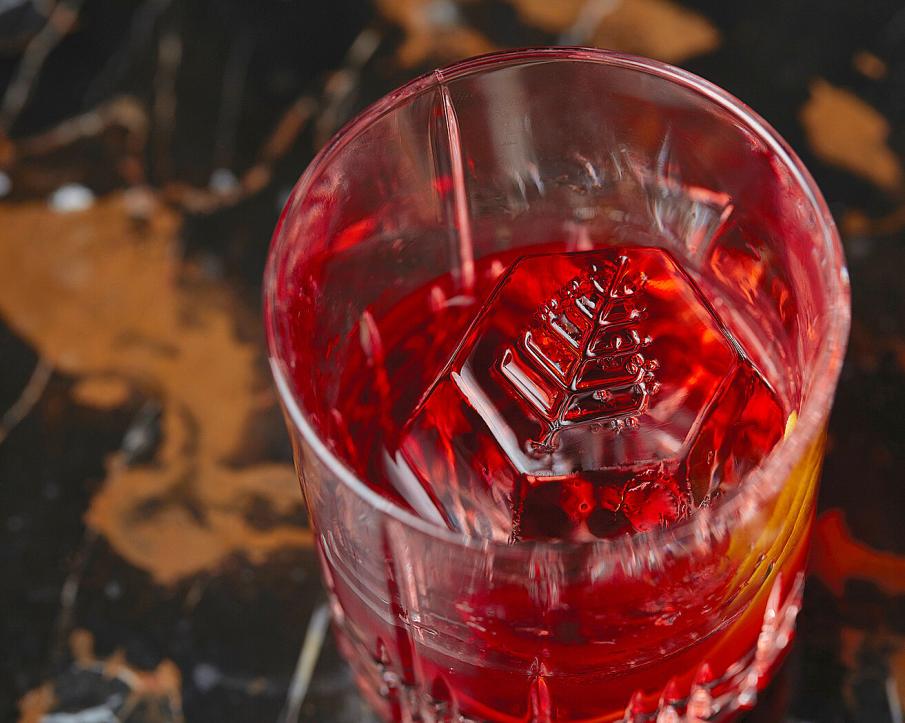
A Negroni is not a cocktail that particularly welcomes interference.
Gin, vermouth and Campari give the Italian classic its famous architecture: bitter, botanical, sweet and uncompromisingly structured. Change too much and the Negroni disappears. Change too little and there is scarcely a reason to reinterpret it at all.
At Copitas, on the 21st floor of Four Seasons Hotel Bengaluru at Embassy ONE, that tension becomes the starting point for Negroni Week 2026.
From September 22 to 28, Bar Manager Melwyn Kuriakose will present a limited-edition programme that takes one of Italy's defining cocktails and looks at it through an Indian lens. The two headline creations move well beyond decorative twists: one borrows from the tandoor, while the other brings pandan, cacao, coffee and barrel ageing into the Negroni's familiar bitter structure.
The result is an intriguing meeting of Italian drinking culture and contemporary Indian bartending.
What Is Copitas Serving for Negroni Week 2026?
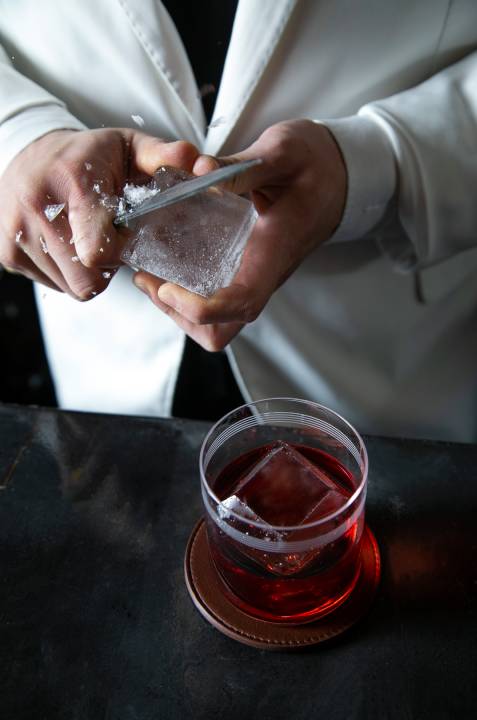
Two cocktails created specifically for Copitas anchor the programme: Charred Heritage and Oak & Bitter.
Both retain the conceptual structure of the Negroni while approaching flavour through very different techniques.
Charred Heritage is the more explicitly Indian interpretation.
Oak & Bitter moves towards maturation and layered aromatics.
Alongside them, Copitas will serve two surprise signature Negronis drawn from Four Seasons bars elsewhere in the region, effectively turning the Bengaluru programme into a small exploration of how one classic can acquire different identities as it travels. It is not the first time the bar has looked outward for inspiration: past editions have seen two of the world's best bars come together at Copitas for a takeover.
Charred Heritage: What Happens When the Negroni Meets the Tandoor?
The most provocative cocktail of the programme may also be the one most firmly rooted in India.
Charred Heritage combines coconut fat-washed gin, tandoor-charred bell pepper, dry vermouth and Campari.
The tandoor is the critical intervention.
Rather than reaching for an obviously "Indian" spice garnish, Copitas uses an Indian cooking technique to alter the flavour architecture of the drink itself.
Charring bell pepper in a tandoor introduces smoke, roasted sweetness and savoury depth. Coconut fat-washing the gin adds another textural and aromatic dimension.
Campari then supplies the bitterness necessary to pull the composition back towards recognisable Negroni territory.
It is an intelligent distinction.
Indianising a classic cocktail does not necessarily require adding cardamom, saffron or masala.
Technique can communicate provenance just as effectively as ingredients. Copitas has built a reputation on exactly that kind of technical storytelling, evident when Millie Tang brings her mixology magic to Copitas for a guest residency.
Oak & Bitter: A Negroni Built Through Time
The second signature moves in a different direction.
Oak & Bitter pairs pandan-infused gin with sweet vermouth infused with cacao and coffee before the cocktail is aged in an oak barrel.
Where Charred Heritage derives character from fire, Oak & Bitter uses time.
Barrel ageing can soften and integrate a cocktail while introducing flavours associated with the wood itself. Here, Copitas describes notes of vanilla, warm spice and gentle tannin developing during maturation.
Pandan brings its distinctive aromatic quality to the gin, while cacao and coffee deepen the vermouth.
The resulting cocktail is less about one dramatic flavour than the gradual layering of several, an approach that echoes the patient, technique-led programming Copitas has favoured, including when Copitas celebrates Rum Cocktail Week at Four Seasons Bengaluru.
The LuxuryAbode Classic Cocktail Test
Reinventing an established cocktail is surprisingly difficult.
The original must remain identifiable, but the new version must justify its existence.
LuxuryAbode calls this the Classic Cocktail Test, built around four principles.
| Principle | What It Means |
|---|---|
| Recognition | The drink should retain enough of the original's structure to remain recognisable. |
| Intervention | The bartender must introduce a meaningful new idea rather than an ornamental garnish. |
| Sense of Place | Ingredients, techniques or cultural references should connect the interpretation to where it is being served. |
| Balance | Innovation cannot overwhelm the fundamental relationship between spirit, sweetness, bitterness and dilution. |
This is what makes Copitas' tandoor experiment particularly interesting: the Indian reference is embedded in the making of the cocktail rather than simply its presentation.
Why Is the Negroni So Difficult to Reinvent?
The Negroni's strength is also the bartender's problem.
Its identity is unusually clear.
Traditionally built around gin, sweet vermouth and Campari, the cocktail achieves its character through the tension between botanical spirit, aromatised wine and assertive bitterness.
There is very little room to hide.
Kuriakose acknowledges precisely that challenge.
"The Negroni is a cocktail with a very clear identity, so the challenge is to add something new without losing what makes it recognisable," he says.
For Copitas, that means Indian ingredients and techniques are allowed into the drink while "the bitterness, balance and structure of the classic" remain central.
That philosophy is considerably more interesting than reinvention for reinvention's sake. It is also consistent with the calibre of talent Copitas continues to attract, most recently when Jonas Vittur is named bar manager at Copitas.
Why the Indian Lens Matters at Copitas
Luxury bars across India no longer need to imitate London, New York, Singapore or Milan to demonstrate sophistication.
The more interesting question is what happens when international cocktail culture encounters Indian ingredients, culinary techniques and regional memories with confidence.
Copitas is explicitly pursuing this idea.
"At Copitas, we look at global cocktail culture through a distinctly Indian lens," says Biswajit Chakraborty, General Manager of Four Seasons Hotel Bengaluru.
That phrase, distinctly Indian lens, is worth dwelling upon.
Contemporary Indian luxury is increasingly strongest when it stops treating Indian identity as something that needs to be toned down for an international audience. The bar's own recent programming reinforces the point, as seen when Nautilus unveils the Spice Route cocktail soiree at Four Seasons Bengaluru.
The same evolution visible in fashion, jewellery and fine dining is now increasingly apparent behind the bar.
From Aperitivo to Bengaluru
There is nevertheless something appropriately Italian about the wider experience.
The Negroni is closely connected to aperitivo culture, the civilised transition between the working day and dinner, where drinks and small plates encourage conversation rather than rush it.
Copitas will complement its signature Negronis with Aperitivo-style drinks and small bites designed to accompany the cocktails, with sustainable elements incorporated into the food offering. The wider hotel's food and beverage calendar has embraced a similar spirit of occasion, from cocktail evenings to when Four Seasons Bengaluru introduces a new Sunday brunch at Far & East.
The setting adds another layer.
Twenty-one floors above Bengaluru, the bar can translate an Italian ritual into something distinctly metropolitan and local: early evening drinks, an elevated city view and cocktails whose flavours travel considerably further than their three-part ancestor.
What Are the Two Copitas Negronis Made With?
| Cocktail | Key Elements | Technique | Character |
|---|---|---|---|
| Charred Heritage | Coconut fat-washed gin, tandoor-charred bell pepper, dry vermouth, Campari | Fat washing and tandoor charring | Smoky, savoury, bitter |
| Oak & Bitter | Pandan-infused gin, cacao and coffee-infused sweet vermouth | Infusion and oak barrel ageing | Layered, aromatic, vanilla, warm spice and gentle tannin |
The contrast is deliberate.
Charred Heritage is shaped by fire. Oak & Bitter is shaped by time.
Together they demonstrate two very different ways of moving a classic cocktail forward without abandoning its underlying identity. It is a pattern Copitas has now repeated across several themed weeks, including a previous edition when Copitas illuminates an earlier Negroni Week for a charitable cause.
Negroni Week 2026 at Copitas: Dates, Venue and Price
- Venue: Copitas, Four Seasons Hotel Bengaluru at Embassy ONE
- Location: 21st Floor, Bengaluru
- Dates: September 22 to 28, 2026
- Time: From 5 pm onwards
- Price: INR 1,400 plus taxes per person
- Signature Cocktails: Charred Heritage and Oak & Bitter
- Also Featuring: Two surprise Negroni interpretations from Four Seasons bars across the region
- Food: Aperitivo-inspired small bites with sustainable elements
Why Copitas' Negroni Week Is Worth Watching
The most interesting thing about this programme is not that an Italian cocktail is being served in Bengaluru.
That happens every evening.
It is what occurs when a globally recognised classic becomes sufficiently established in India that bartenders no longer feel obliged merely to reproduce it.
A tandoor enters the conversation.
Coconut fat-washing enters it.
Pandan, cacao and coffee follow.
Yet Campari's bitterness and the Negroni's essential structure remain.
This is how cocktail cultures mature.
First, a city learns the classics.
Then it learns to execute them properly. Copitas' consistent recognition on the regional stage reflects that maturity, most notably when the bar wins a prestigious listing among the best bars in Asia.
Eventually, its bartenders become confident enough to argue with them. That confidence extends across the Four Seasons portfolio in India, where AER and Copitas unite for a spirited bar swap between Mumbai and Bengaluru, and when Mumbai's own AER delivers monsoon magic at its rooftop bar.
At Copitas this September, the Negroni remains unmistakably Italian.
It simply acquires a Bengaluru accent. That international pedigree was on full display when SG Club Tokyo brings cocktail mastery to Bengaluru for a one-night takeover, and when Bengaluru meets Seoul's zero-waste mastery at Copitas.
Frequently Asked Questions
When is Negroni Week 2026 at Copitas Bengaluru?
Copitas will celebrate Negroni Week from September 22 to 28, 2026, with service beginning from 5 pm.
Where is Copitas in Bengaluru?
Copitas is located on the 21st floor of Four Seasons Hotel Bengaluru at Embassy ONE.
What special Negronis are being served?
The programme features Charred Heritage, made with coconut fat-washed gin and tandoor-charred bell pepper, and Oak & Bitter, featuring pandan-infused gin, cacao and coffee-infused vermouth and oak barrel ageing.
How much does Negroni Week at Copitas cost?
The stated price is INR 1,400 plus applicable taxes per person.
Who created the special Negronis at Copitas?
The programme has been developed under Bar Manager Melwyn Kuriakose, with the cocktails exploring Indian ingredients and techniques while retaining the bitterness, balance and structure associated with the classic Negroni.


Comments
No comments yet.
Add Your Comment
Thank you, for commenting !!
Your comment is under moderation...
Keep reading luxury post