Middle East luxury market faces significant downturn amid regional conflict
 Namrata Parab
- 22nd Apr 2026
- 2197
- 0
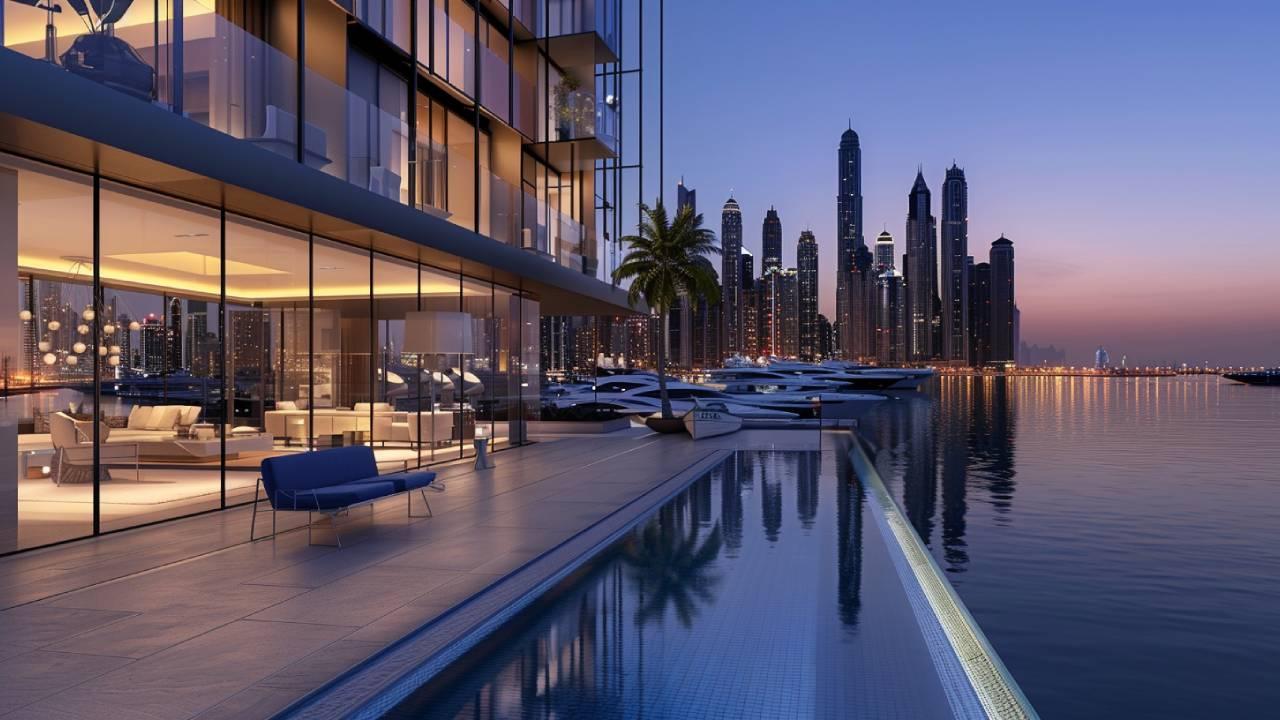
The Middle East luxury market is currently navigating a period of unprecedented volatility as regional geopolitical tensions disrupt established growth trajectories. High-end retail flagships in hubs such as Dubai and Abu Dhabi report significant revenue shifts, marking a departure from the double-digit expansion previously recorded in the sector.
Key Performance Metrics in Regional Retail
The following data points outline the recent contraction across primary Gulf retail destinations during March 2026.
| Metric | Observed Performance |
|---|---|
| Mall of the Emirates sales drop | 30–50% year-on-year |
| Dubai Mall visitor decline | 50% compared to previous period |
| The Galleria Al Maryah Island decline | 10% year-on-year |
| International flight cancellations | 65% peak in early March |
| Regional luxury sales impact | Estimated 50% decrease in March |
Luxury Market Analysis and Regional Contraction
The regional luxury sector, long viewed as a strategic hedge against instability in European and Chinese markets, is undergoing a profound reassessment. Luxury brands previously allocated substantial capital to flagship expansions across the Gulf, yet the current climate demonstrates a marked decline in high-end consumer confidence. Research indicates that even cornerstone assets in the luxury portfolio, such as Chanel and Cartier, are experiencing curtailed footfall and reduced conversion rates, a trend often mirrored in luxury homes of Seoul and other global cities.
This downturn reflects broader structural challenges for brands relying on the Gulf as a consistent engine for global profitability. Because of the high-margin nature of these transit-heavy markets, even minor disruptions in air travel and tourism cause disproportionate impacts on quarterly financial reports, much like the India Dubai private flight sector experienced during previous travel restrictions. Brands are now shifting inventory and adjusting operational hours to mitigate losses, signalling a transition from aggressive growth to defensive resource management.
Strategic Significance of the Gulf Pivot
The role of the Middle East as a primary pillar for global luxury profits is currently under pressure. While sales per square metre in cities like Dubai typically exceed global averages, the recent decline in tourist-driven volume has exposed vulnerabilities in the transit-based retail model. Retailers operating at key aviation hubs are witnessing the consequences of interrupted travel corridors, which directly correlates to the lower transaction volumes observed in duty-free environments, a challenge also faced by luxury shopping revolution initiatives in other regions.
For global luxury houses, the Gulf region once provided a critical buffer during economic uncertainty in other major markets. The present situation suggests that this insurance policy is currently ineffective as regional dynamics override historical consumption patterns, similar to how Indian luxury labels are navigating their own competitive landscape. Consequently, luxury conglomerates are tempering their expectations for the remainder of the fiscal year while implementing rigorous cost-control strategies to protect overall margins.
Outlook for High-End Retail Assets
Financial projections for the remainder of 2026 indicate a cautious approach from major labels as they monitor regional stability. The immediate focus rests on maintaining brand presence while managing the realities of reduced visitor numbers in core shopping precincts. Industry participants expect that the demand for premium homes and luxury investment assets will remain sensitive to geopolitical developments until clear recovery signs emerge in aviation and tourism sectors, a sentiment shared by those tracking demand for Dubai luxury real estate. Furthermore, firms are increasingly focusing on advertising strategies for luxury to maintain engagement during these periods of market volatility.
Conclusion
The Middle East luxury market stands at a complex intersection of geopolitical reality and retail ambition, requiring a tactical recalibration of growth expectations. As brands adjust to this compressed cycle, the focus will shift toward local engagement strategies to stabilize revenue streams in a fluctuating, high-uncertainty environment. Future performance remains tethered to the stabilization of regional tourism, which remains the primary catalyst for sustaining growth in this critical luxury territory.
Disclaimer: This article is based on publicly available information and is intended for informational purposes only. LuxuryAbode.com does not independently verify all facts and figures mentioned. Readers are advised to conduct their own due diligence before making any investment or business decisions based on this information. The content should not be construed as financial, legal, or professional advice.



Comments
No comments yet.
Add Your Comment
Thank you, for commenting !!
Your comment is under moderation...
Keep reading luxury post