Aston Martin Americas CEO Change Targets Strategic Commercial Growth
 Allwyn Dhuri
- 7th Jul 2026
- 1320
- 0

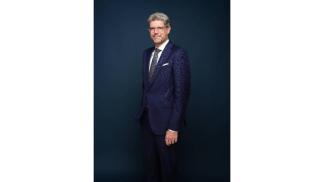
Aston Martin The Americas has confirmed the appointment of Andreas Bareis as President and CEO, effective July 1, 2026. This leadership shift at Aston Martin The Americas highlights a focused approach to deepening commercial penetration within the automaker’s highest-volume territory.
Leadership Transition Details
The following table outlines the key parameters of this corporate appointment and regional focus.
| Metric | Details |
|---|---|
| Appointment Effective Date | July 1, 2026 |
| Region of Responsibility | The Americas |
| Core Market Volume Position | Primary Global Market |
| Executive Industry Experience | 18 Years |
| Primary Strategic Focus | Dealer Network Expansion |
Strategic Commercial Expansion
The appointment of Andreas Bareis indicates a tactical pivot toward consolidating high-end automotive influence across the Western Hemisphere. By leveraging an 18-year tenure within the high-performance automotive sector, the incoming executive is expected to refine the brand's outreach to ultra-high-net-worth individuals. This move underscores the importance of maintaining direct oversight in regions where buyer activity remains sensitive to personalised service and retail performance.
Analytically, this transition suggests that the brand is prioritising operational stability over experimental retail shifts in the current quarter. By integrating leadership with deep institutional knowledge from competing high-end marques, the company seeks to neutralise headwinds in the broader automotive environment. This approach is consistent with successful efforts to maintain premium vehicle asset values in volatile economic cycles, where brand-specific loyalty serves as a critical buffer against broader discretionary spending contractions.
Market Context
Global interest in top-tier performance vehicles shows a sustained trajectory despite fluctuating interest rates. The North American segment remains the most influential for major manufacturers, typically accounting for significant portions of annual revenue. Recent data indicates that customer retention within this segment is now contingent on the quality of the regional dealer network and the delivery of a superior purchase experience. The focus remains on converting interest into long-term ownership among an established demographic, much like the North American luxury expansion seen in other hypercar segments.
Furthermore, the shift toward digital-first retail experiences is becoming a standard expectation for high-end buyers. As brands explore new ways to engage, luxury goods marketplace trends are increasingly influencing how automotive manufacturers structure their own exclusive sales platforms.
Strategic Significance
The appointment reinforces the brand’s commitment to regional autonomy in executing sales strategies. Enhancing the dealer network allows for tighter control over the retail environment, ensuring that the brand’s positioning remains distinct from mass-market competitors. Investors will likely view this stability as a positive indicator for future fiscal results, as regional executives now possess the mandate to tailor incentives and inventory to local preferences more precisely than ever before. This strategic focus mirrors the strategic global market acquisitions currently reshaping other luxury sectors.
Additionally, the integration of sustainability into the corporate roadmap is no longer optional for premium brands. Aligning with global luxury sustainability initiatives will be essential for maintaining brand equity among younger, environmentally conscious ultra-high-net-worth buyers.
Outlook
Looking toward the second half of 2026, the success of this administrative change will be measured by dealer performance metrics and client acquisition rates in key metropolitan hubs. Maintaining momentum in the current competitive environment requires a disciplined focus on high-margin models and the optimisation of supply chain logistics to meet specific regional requirements. The alignment of leadership with long-term regional objectives confirms a clear intent to dominate the top-tier segment. This approach is essential for brands looking to emulate the future of luxury brands through innovation and disciplined growth.
Conclusion
The appointment of Andreas Bareis underscores the firm’s commitment to its most influential market, setting a course for refined commercial success. Through this leadership transition, Aston Martin aims to solidify its position among the most sought-after names in the high-performance auto sector throughout 2026.
Disclaimer: This article is based on publicly available information and is intended for informational purposes only. LuxuryAbode.com does not independently verify all facts and figures mentioned. Readers are advised to conduct their own due diligence before making any investment or business decisions based on this information. The content should not be construed as financial, legal, or professional advice.

Comments
No comments yet.
Add Your Comment
Thank you, for commenting !!
Your comment is under moderation...
Keep reading luxury post