A Spa Is No Longer Enough: What Actually Defines a Medical Wellness Resort
 Namrata Parab
- 9th Sep 2026
- 1284
- 0
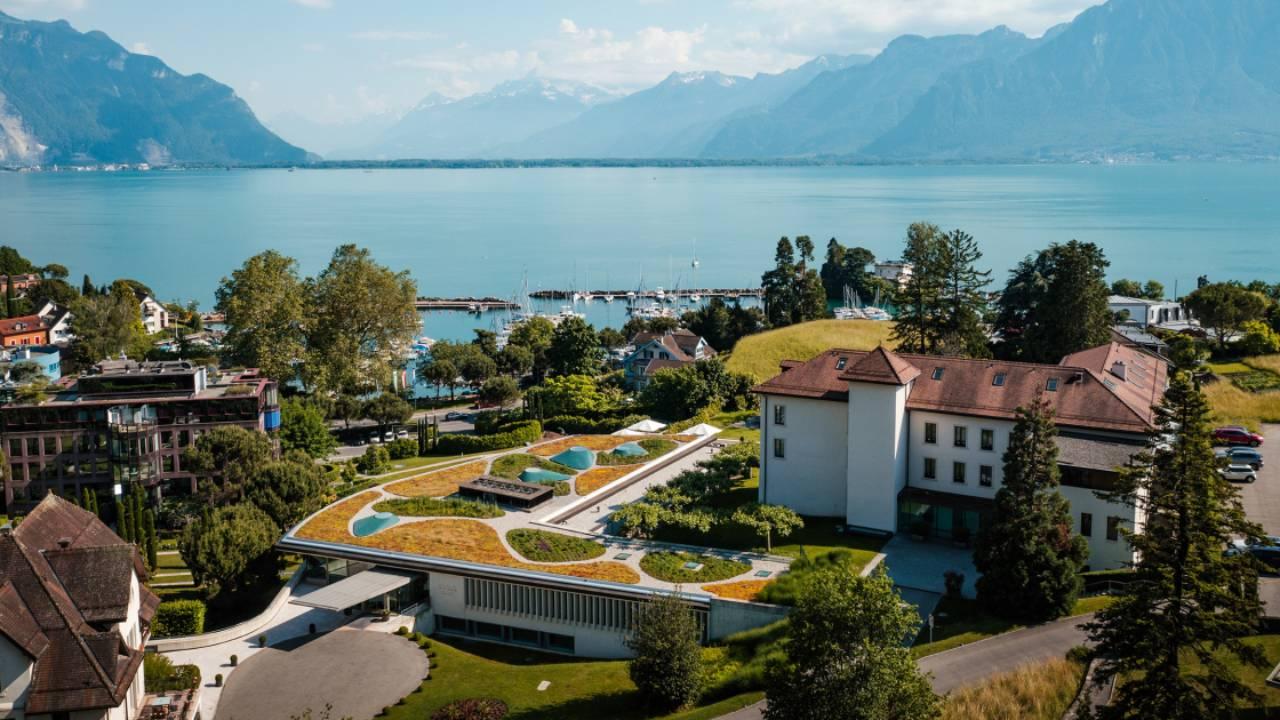
Ninety minutes into a consultation at Clinique La Prairie, a guest is handed a folder. Not a menu of massages. A folder with 300 biomarkers, a physician's interpretation of each, and a seven-day protocol built around what those numbers actually say about their liver function, inflammatory markers, and cellular ageing. Nobody asks whether they'd prefer a hot stone massage first.
Ninety minutes into a stay at a resort marketing itself as a "wellness sanctuary" three time zones away, a guest is handed a spa menu. Forty treatments, four categories, a loyalty card. The word "medical" appears once, in the tagline.
Both properties call themselves luxury wellness destinations. Only one of them is practising medicine. The gap between the two has become the single most consequential piece of due diligence in luxury travel today, and almost nobody selling these programs wants a rich, health-literate 45-year-old to actually understand it.
This matters because the category has become expensive enough to demand scrutiny. A seven-night stay at the wrong "medical" resort can run to ₹8-10 lakh with nothing more clinically rigorous behind it than a wellness consultant with a six-week certification and a nutritionist on Zoom. A seven-night stay at the right one, at nearly identical price points, comes with a physician-led diagnostic panel, a documented protocol, and a follow-up plan that outlasts the trip. The brochures look almost the same. The substance does not.
What follows is not a ranking of resorts. It is the framework LuxuryAbode uses internally to separate genuine medical wellness infrastructure from spa marketing wearing a lab coat, built from what the world's most credible longevity clinics actually do differently from everyone else claiming the same territory, a distinction that also shapes how properties such as Four Seasons Mumbai frames Ayurveda within its own spa.
1. Medical Expertise: Who Is Actually in the Room
The test is simple and almost nobody applies it: is there a licensed physician with admitting or prescribing authority on staff, physically present, seeing you as a patient rather than a guest? Clinique La Prairie in Montreux employs roughly 55 in-house specialists across its medical team, spanning internal medicine, endocrinology, and regenerative therapies, not consultants flown in for a weekend. Lanserhof in Austria and Germany runs on the same model: physicians lead, therapists execute.
Contrast this with the far more common structure: a "wellness director" with a diploma in integrative nutrition, a visiting doctor who does a single 20-minute intake call, and everyone else on the programme reporting to hospitality management rather than clinical management. Ask directly: does the medical team report to a Chief Medical Officer, or to the General Manager? The answer tells you whether health outcomes or occupancy rates run the building.
In India, Ananda in the Himalayas and Six Senses Vana in Dehradun both employ Ayurvedic physicians (BAMS-qualified) alongside Western-trained doctors, which is a materially different proposition from a resort that simply lists "Ayurveda" as a spa category with therapists trained in-house over a few weeks, a distinction visible in how Six Senses positioned Vana's launch as a wellness resort in the Himalayan foothills. The distinction is licensure, not vocabulary.
2. Diagnostics: Data Before Treatment, Not Treatment Instead of Data
A real medical wellness programme starts with measurement, not massage. Clinique La Prairie's Longevity Master Assessment runs comprehensive biomarker panels before a single protocol decision is made. Lanserhof's four-day Longevity Check, priced from roughly €2,844 excluding accommodation, exists specifically as a diagnostics-only entry point, no treatment bundled in, because the diagnosis has to come first.
The mainstream luxury press rarely asks the obvious follow-up question: what happens to guests who show something abnormal? A property doing this seriously has an escalation pathway, a relationship with a hospital network, and a physician authorised to flag findings that need care beyond a wellness stay. A property doing this cosmetically has a disclaimer in the intake form and a therapist who is not qualified to interpret what they're looking at.
Indian wellness destinations have historically been weaker here. Ayurvedic pulse diagnosis (nadi pariksha) and dosha assessment are real diagnostic traditions with their own internal logic, but they are not a substitute for a lipid panel, an HbA1c, or a cardiac risk score, and the strongest Indian properties now pair both systems rather than picking one, an approach reflected in a property such as The Tribe Concepts' Ayurvedic practice milestones. Atmantan in Maharashtra has moved toward integrating biomarker testing alongside its naturopathy base; SOUKYA in Bengaluru runs an integrated model combining Ayurveda, homeopathy, and naturopathy under physician oversight. The direction of travel across serious Indian wellness properties is toward more Western diagnostic infrastructure, not less, precisely because their UHNI clientele now demands it.
3. Daily Programming: Structured Protocol vs. À La Carte Menu
The tell is whether a guest can simply choose whatever treatment sounds appealing that morning, or whether a physician has sequenced a specific protocol across the stay based on the diagnostics. Real programmes are periodised: detox phase, then rebuild phase, then integration phase, each building on biomarker response, not guest preference.
Ananda's Comprehensive and Intensive tiers illustrate this well: 22-35 therapy hours over 14 nights, or 34-50 hours over 21, structured around specific conditions (obesity, hypertension, elevated cholesterol) rather than a general "relaxation" brief. That is programming. A spa menu where a guest picks four treatments a day based on mood is not, however well-appointed the treatment rooms are.
4. Nutrition: Metabolic Precision vs. "Healthy Options"
At the credible end of the category, food is medicine delivered on a schedule tied to the protocol: caloric and macronutrient targets set against the diagnostics, meal timing tied to circadian and metabolic goals, and a kitchen that can execute therapeutic diets (low-FODMAP, anti-inflammatory, specific fasting windows) with the same precision as the treatment rooms. Buchinger Wilhelmi's entire model is built around medically supervised therapeutic fasting, one of the only modalities in this category with genuine peer-reviewed human research behind it, which is precisely why it remains a serious clinical reference point rather than a wellness trend.
The weaker version of this pillar is a menu labelled "wellness cuisine" that is simply lighter, better-plated hotel food, with no metabolic targeting behind it at all. Ananda's Ayurvedic Rejuvenation Cuisine, built around dosha-specific meal plans set by the resident physicians rather than a chef's interpretation of "healthy," sits closer to the credible end.
5. Sleep: A Measured Outcome, Not a Turndown Ritual
Serious properties treat sleep as a clinical variable: sleep architecture assessment, sometimes actigraphy or in-room monitoring, environmental engineering (light, noise, temperature) calibrated to circadian science, and a treatment plan that changes based on what the data shows. This is different from lavender pillow mist and a "sleep menu" of pillow choices, which is theatre, not treatment.
6. Movement: Physiotherapist-Led vs. Generic Fitness
The credible standard is functional movement assessment (gait, mobility, strength baseline) followed by a programme designed by a physiotherapist or exercise physiologist, adjusted as the stay progresses. Ananda's Active Fitness Programme, which pairs Ayurvedic physicians with physical fitness trainers and holistic physiotherapists around each guest's dosha and baseline fitness, is a reasonable example of this integration done properly. A generic gym timetable identical to what a five-star business hotel offers is not movement medicine, regardless of the equipment quality.
7. Diagnostics-to-Protocol Continuity
This is the pillar the industry most reliably fakes: does the diagnostic data actually change the protocol in real time, or is the protocol pre-set regardless of what the tests show? At Clinique La Prairie, the 300-biomarker panel genuinely drives programme selection and adjustment mid-stay. At a resort running "diagnostics" as a marketing add-on, the same seven-day package gets sold to every guest with a slightly different welcome folder.
8. Mental Wellbeing: Clinical Support vs. Ambient Calm
The category has become far more serious about this in the past three years. Credible resorts now employ psychologists or psychotherapists as part of the clinical team, not simply meditation instructors, and integrate cognitive and emotional assessment into the same diagnostic process as the physical workup. Burnout-specific programming, now offered at Clinique La Prairie's expanding footprint, treats stress physiology (cortisol patterns, HRV, sleep disruption) as measurable, not merely as a mood to be soothed with a singing bowl, an evolution paralleled by newer entrants such as the Zulal Wellness Resort by Chiva-Som in Qatar.
9. Setting and Post-Stay Continuity
Setting still matters, geography, architecture, and privacy remain genuine differentiators, and this is where properties like Vana (21 hectares of Sal forest, complete guest anonymity, "Vanavasi" culture that deliberately obscures who else is on-site) and Ananda (a former Maharaja's palace at 1,300 metres) earn their premium legitimately. But setting is the last pillar to evaluate, not the first, because it is also the easiest one for a mediocre property to fake with good photography, a lesson that also applies to newer city-adjacent retreats such as Mandarin Oriental Milan's debut wellness retreat.
Post-stay continuity is the pillar almost nobody markets and almost nobody delivers: does the resort's medical team stay involved after checkout, with follow-up bloodwork, a maintenance protocol, and a named physician a guest can actually reach three months later? Clinique La Prairie's Longevity Membership model, an annual structure entitling members to an in-person NUTRI-PATH stay and ongoing supplement protocol, is one of the only commercially mainstream attempts to solve this. Most resorts, including several very good ones, end the relationship at the airport transfer.
The Shadow Price of "Medical Wellness"
| Element | What the brochure quotes | What genuinely medical infrastructure costs to deliver | The gap |
|---|---|---|---|
| Physician panel | Included in "wellness team" | Full-time endocrinologist/internist salaries, 24/7 on-call coverage | Resorts without this are running a nutritionist-and-therapist model at physician prices |
| Diagnostics | "Comprehensive assessment" | 200-300 biomarker lab panel, imaging where relevant, physician interpretation time | A basic blood panel and a 20-minute chat is not the same product |
| Protocol design | "Personalised programme" | Data-driven periodisation adjusted mid-stay by clinical staff | A fixed package sold identically to every guest is not personalisation |
| Post-stay care | Rarely mentioned | Follow-up consultation, repeat bloodwork, named physician continuity | Almost always absent below the top tier of the category |
Illustrative 7-night comparison, indicative only:
- Genuinely physician-led, diagnostics-first programme (Clinique La Prairie Revitalisation tier): from roughly CHF 31,800 (~₹29-30 lakh at prevailing rates), all-inclusive of transfers, room, and full protocol.
- Diagnostics-anchored but shorter-format entry point (Lanserhof Longevity Check): from €2,844 for four days excluding accommodation, a genuinely different (and far more accessible) product than the full residential programme.
- India, physician-supported, Ayurveda-Western hybrid, comprehensive tier (Ananda 14-21 night comprehensive/intensive programmes): broadly ₹4-9 lakh depending on room category and season, materially below Swiss pricing for a comparably staffed clinical model, though with a narrower diagnostic panel.
- Spa-labelled "wellness resort" with no resident physician, no biomarker panel, protocol-free: frequently priced within 20-30% of the properties above, for a fundamentally different product.
The pricing overlap between the third and fourth categories is the single most important fact in this piece. Price is not a reliable signal of medical seriousness in this category. Two resorts charging within a few lakh of each other, at the same star rating, can differ entirely on every one of the nine pillars above.
The Insight
The luxury wellness category has inherited a problem the luxury real estate and art markets solved a decade ago: brand adjacency has been allowed to substitute for verifiable substance for too long. A five-star hotel group can attach the word "wellness" to a property with a good spa and a nutritionist and command a genuine premium, because the buyer has had no framework to interrogate the claim.
That is ending, and not because of regulation. It is ending because UHNI buyers who have already been burned once, a beautifully designed programme that delivered nothing measurable, have started asking the same due-diligence questions they'd apply to a fund manager: show me the team's credentials, show me the data, show me what changes if the data comes back abnormal, show me what happens after I leave. Resorts that can answer all four are becoming a distinct, smaller, more expensive category. Resorts that cannot are still profitable, because demand for the aesthetic of wellness remains enormous, but they are no longer the same product, and pricing them as though they are is the single most common deception in luxury travel today.
For India specifically, the trajectory is toward convergence rather than divergence: the country's strongest properties are not choosing between Ayurveda and Western diagnostic medicine, they are building both, because their clientele increasingly splits time between Mumbai, Zurich, and Dubai and has already experienced the Swiss standard. A resort in Uttarakhand that wants to be taken seriously by that guest in five years will need a biomarker panel, not just a pulse diagnosis, alongside it.
FAQ
What is the actual difference between a spa resort and a medical wellness resort?
A medical wellness resort has licensed physicians directing a diagnostics-based protocol that changes based on test results; a spa resort offers treatments a guest selects based on preference, regardless of any underlying clinical need or data.
How can I tell if a "wellness retreat" has real medical infrastructure before booking?
Ask three questions directly: does the medical team report to a Chief Medical Officer or to hospitality management, is there a comprehensive biomarker panel before any protocol begins, and is there a named physician available for follow-up after checkout. Vague or evasive answers to any of these are the signal.
Is Ananda in the Himalayas a medical wellness resort or a luxury spa?
Ananda sits closer to the medical end of the spectrum: it employs BAMS-qualified Ayurvedic physicians and Western-trained doctors, runs multi-week comprehensive and intensive programmes targeting specific conditions, and structures nutrition around individual dosha assessment rather than a generic wellness menu, though its diagnostic panel is narrower than Swiss clinical-model competitors like Clinique La Prairie.
How much does a genuine medical wellness programme cost compared to a spa-labelled resort?
Prices frequently overlap: a seven-night stay at either type can run ₹8-30 lakh depending on the property and tier. Price alone does not distinguish the two; the presence of physician-led diagnostics and a documented, adjustable protocol does.
Do Indian wellness resorts include real diagnostic testing, or only Ayurvedic assessment?
It varies significantly by property. The strongest Indian resorts (Ananda, Six Senses Vana, Atmantan, SOUKYA) increasingly pair traditional diagnostic methods like pulse diagnosis with Western biomarker testing, but this integration is inconsistent across the category and should be confirmed directly with each property before booking.
What happens after a wellness programme ends, does the medical support continue?
At most properties, no, the relationship ends at checkout. A small number of leading clinics, notably Clinique La Prairie through its membership structure, offer structured follow-up with repeat testing and ongoing physician contact; this level of continuity remains the exception rather than the norm across the category.

Comments
No comments yet.
Add Your Comment
Thank you, for commenting !!
Your comment is under moderation...
Keep reading luxury post